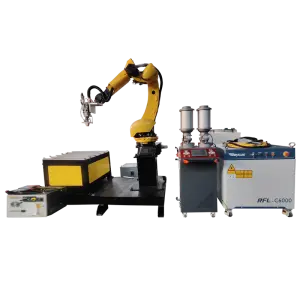
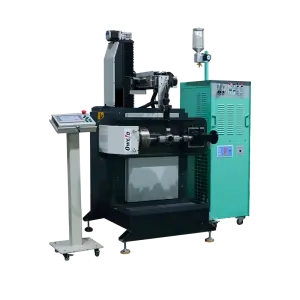
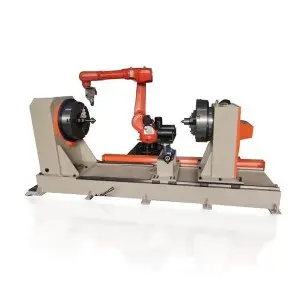
High-Quality TIG Welding Pros & Cons: Industry Whitepaper & Global Supplier Directory

Deciphering Gas Tungsten Arc Welding (GTAW) Mechanics, Advanced Plasma/Laser Hardfacing Replacements, and Shanghai Duomu's Integrated Manufacturing Advantages

Featured Surfacing & Precision Cladding Systems

Premium industrial solutions engineered for surface modification, high-hardness overlays, and precise joint consolidation.
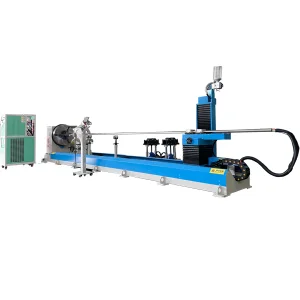
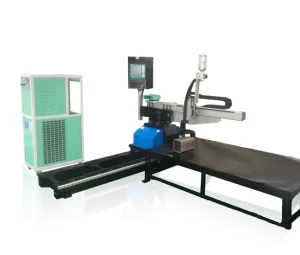
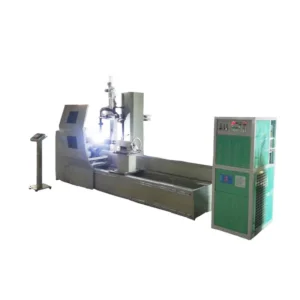
Double cone injection molding machine barrel inner hole cladding machine

Custom DSL-LC401 Double cone injection molding machine barrel inner hole cladding machine Suppliers, Factories

Request Quote
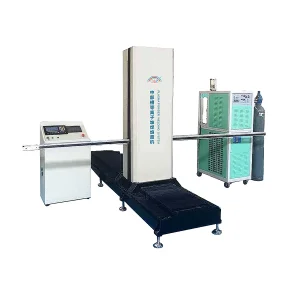
Cantilever plasma surfacing system

High-Quality DXB-NC301 Cantilever plasma surfacing system Manufacturer, Supplier

Request Quote
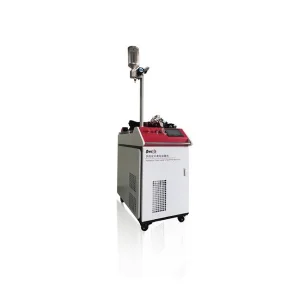
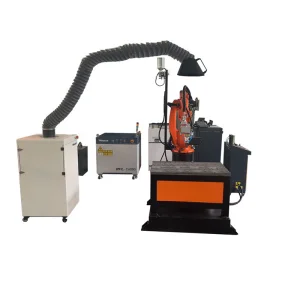
Portable laser cladding welding machine

China Portable laser cladding welding machine Manufacturer, Supplier

Request Quote
Hydraulic rod automatic plasma cladding machine

High-Quality DYY-LC501 Hydraulic rod automatic plasma cladding machine Suppliers, Factories

Request Quote
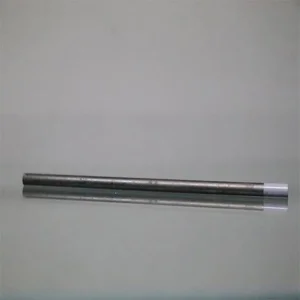
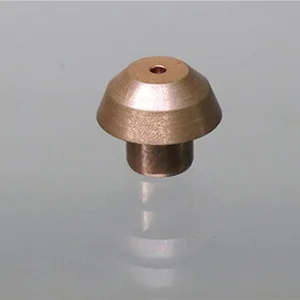
Tungsten electrode

China Strong practicality and heat-resistant tungsten electrode Suppliers, Factory

Request Quote
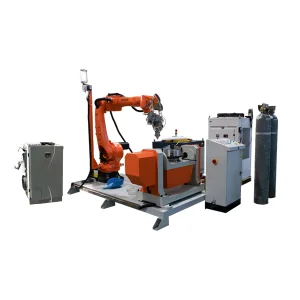
Automated laser cladding machine

High-Quality Automated laser cladding machine Supplier, Factory

Request Quote
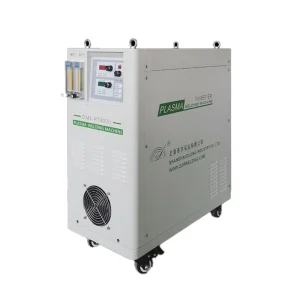
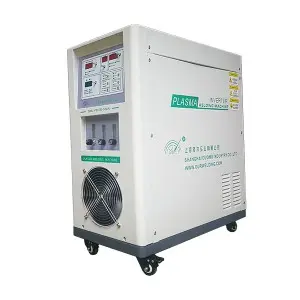
Plasma arc welding machine

China DM-PT4000 Plasma arc welding machine Manufacturer, Supplier

Request Quote
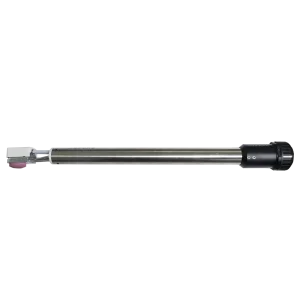
Plasma Bore Welding Torch

Custom Plasma Bore Welding Torch DNPT16018-HQ Supplier, Suppliers

Request Quote

1. Technical Overview of TIG (GTAW) in Contemporary Heavy Engineering

An engineering deep-dive into Gas Tungsten Arc Welding and its intersection with high-performance overlay processes.

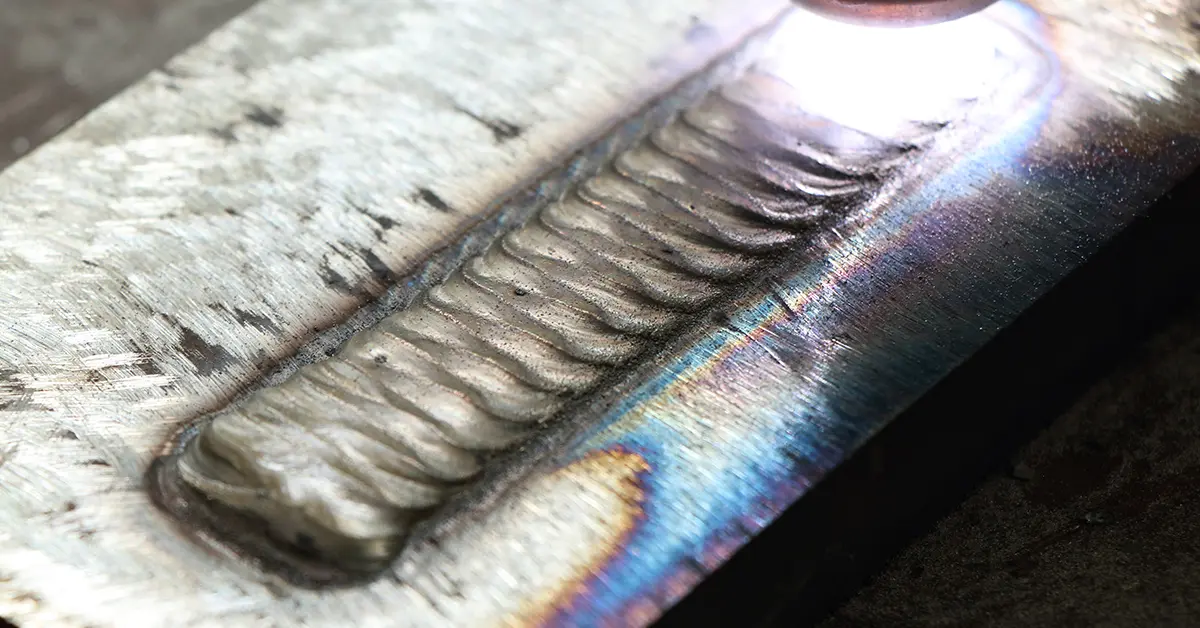
Gas Tungsten Arc Welding (GTAW), universally designated as TIG (Tungsten Inert Gas) welding, stands as a cornerstone joining methodology where high joint integrity, localized control of thermal input, and superior metallurgical cleanliness are required. Utilizing a non-consumable tungsten electrode (highly optimized through alloy additions like thoria, ceria, or lanthanum to prevent thermal erosion and ensure a stable arc plasma column), TIG operates via the generation of an electric arc between the workpiece and the tungsten tip. Solidification mechanics are governed precisely by the operator or automated controller through the manual or mechanized feeding of separate filler wires into the weld pool under a protective envelope of inert shielding gas, typically high-purity Argon (99.999%) or Helium-Argon mixtures.

In modern cladding, hardfacing, and component remanufacturing, TIG welding provides foundational reference metrics. However, when contrasted with advanced thermal surfacing technologies like Plasma Transferred Arc (PTA) cladding and Laser Cladding, traditional TIG exhibits definite performance boundaries. Understanding these physical limits is key to selecting the correct technological roadmap for high-wear industries like mining, oil and gas, and aerospace. Below is a comprehensive breakdown of the core chemical, mechanical, and economic Pros and Cons associated with high-quality TIG systems, particularly when sourcing components globally from Chinese factories.

TIG Welding Advantages (Pros)

  • Unmatched Precision and Pool Control: The complete independence of heat source generation (arc) and filler metal feed rate yields exceptional control over the weld pool geometry. This minimizes defects in complex configurations.
  • Minimal Metallurgical Alteration (High Shielding Purity): The continuous flow of heavy inert gas eliminates ambient oxygen and nitrogen contamination, yielding highly ductile deposits with negligible porosity.
  • Zero Spatter and Slag Generation: Since no fluxing agents or high-velocity spray transfer modes are utilized, post-weld cleanup operations are virtually eliminated.
  • Highly Scalable Automation Potential: Using multi-axis CNC gantries or robotic arms (e.g., custom 6-axis systems), TIG operations can achieve high repeatabilities on intricate geometries like tube sheets and heat exchangers.

TIG Welding Boundaries (Cons)

  • Low Deposition Efficiency: Typical manual TIG deposition rates range between 0.5 to 1.5 kg/h, making it economically unviable for large-scale surface reclamation or thick wear-resistant cladding.
  • High Sensitivity to Base Metal Dilution: Traditional TIG hardfacing results in high base metal melting ratios (dilution of 15% to 30%), which contaminates high-alloy clad layers with iron from the substrate.
  • Extreme Heat-Affected Zone (HAZ): Due to slow travel speeds, the thermal energy is deeply absorbed by the substrate, often prompting mechanical distortion, grain growth, and residual stress generation.
  • Tungsten Inclusion Vulnerability: Physical contact between the tungsten electrode and the weld pool under high amperage instantly leads to brittle tungsten inclusion defects.

2. Comparative Analysis: TIG vs. PTA Cladding vs. Laser Cladding

A comparative engineering evaluation to determine the optimal process route for heavy-duty wear prevention.

Performance Metric Traditional TIG Welding (GTAW) Plasma Transferred Arc (PTA) Cladding Laser Cladding Systems
Dilution Rate (%) 15% - 30% (High substrate mix) 5% - 15% (Controlled) < 5% (Ultra-low melting)
Deposition Rate 0.5 - 2.0 kg/h 2.0 - 8.0 kg/h 1.0 - 6.0 kg/h (highly dependent on power)
Heat-Affected Zone (HAZ) Wide (Significant grain distortion) Moderate (Controlled heat input) Extremely Narrow (High speed / cooling)
Consumable Input Type Solid Wire / Rods Alloy Powders (Highly customizable) Alloy Powders / Fine Wires
Initial Capex Low - Medium Medium - High High - Very High
Best Applications Root pass welding, structural joints Valves, screw conveyors, mining picks Turbine blades, shafts, hydraulic rods

As illustrated, while TIG remains superior for basic structural joining, the industry has shifted toward automated PTA cladding and laser cladding for high-value components. Modern equipment manufacturers like Shanghai Duomu specialize in bridging these technical gaps. By offering highly integrated systems like the DML-V03CD plasma powder surfacing machine, companies can transition from high-heat, manual processes to high-precision, low-dilution automated systems, ensuring optimal material properties at reduced manufacturing cost structures.

Industrial Application Areas of Surfacing Systems

Shanghai Duomu's products have penetrated into many fields such as aerospace military industry, nuclear power, petrochemical industry, coal mines, metallurgy and forging, agriculture, water conservancy and electric power.


agricultural machinery

Agricultural Machinery

Enhancing wear life on soil-engaging tools, tillage points, and shredders.

Aerospace military industry

Aerospace & Military

Precise laser and plasma cladding repairs on high-temperature gas turbine blades.

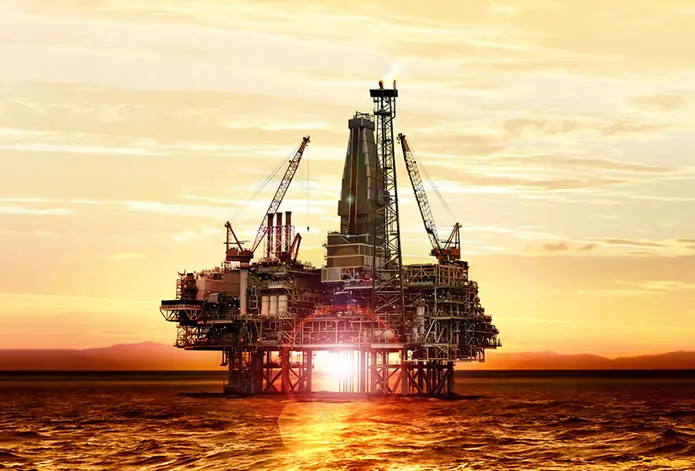
petroleum machinery

Petroleum Machinery

Anti-corrosion overlays for stabilizers, drill collars, and downhole tools.

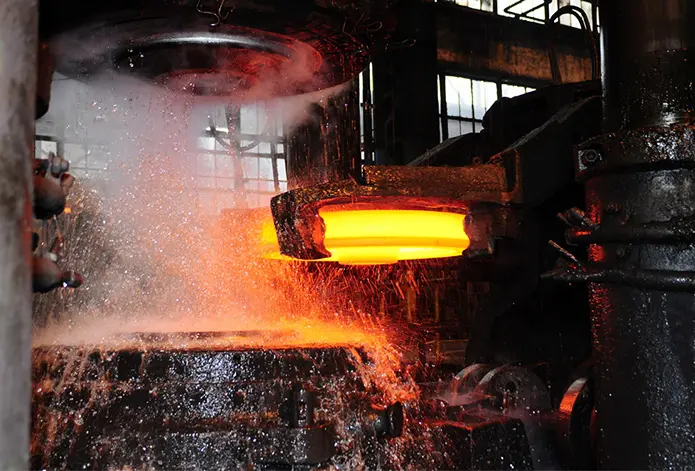
Metallurgy casting

Metallurgy & Casting

Hardfacing rollers and dies to resist extreme heat and abrasive wear patterns.

Shanghai Duomu Facility

Pioneering Surface Technology Since 2012

Shanghai Duomu has been a leading manufacturer and exporter of PTA cladding machine and Laser cladding machine for more than ten years with a strong technical background. We pride ourselves on converting metallurgical challenges into automated shop-floor realities. Our systems are deployed worldwide, providing robust protection against erosion, cavitation, temperature gradients, and pure abrasive friction.

Read More

R&D and Technical Excellence

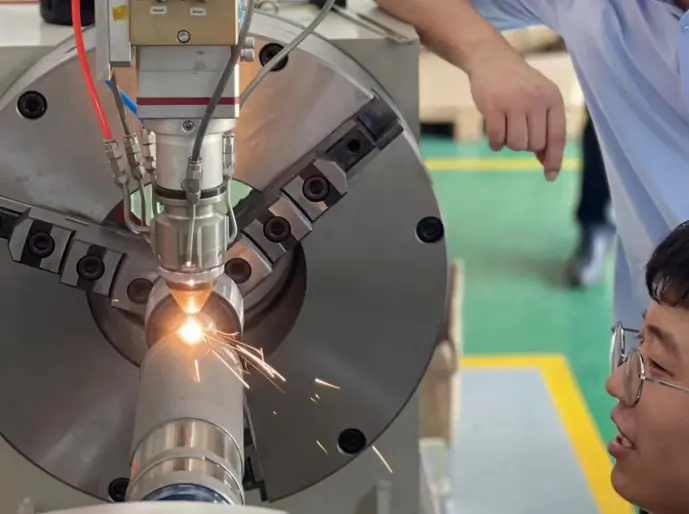
We operate an independent R&D team that develops, produces, and sells plasma cladding machine equipment. The welding machine has stable performance and can maintain efficient long-term operation. In addition, the laser cladding equipment sold by the company can effectively support large-scale remanufacturing projects. We have mature technological means to provide complete sets of industrial equipment solutions.
10+
Years Experience
50+
Custom Solutions
99%
Uptime Reliability
Get In Touch
Duomu Technical Department Team

3. The China Supply Chain Advantage: Sourcing High-Quality Surfacing Equipment

Why sourcing automated TIG, PTA, and laser systems from specialized Chinese clusters delivers unmatched efficiency and value.

Global industrial procurement strategies are increasingly focusing on total cost of ownership (TCO) and rapid deployment capability. Chinese manufacturing centers, specifically around precision engineering hubs like Shanghai, offer a unique supply chain advantage that goes far beyond low initial purchase price. This ecosystem combines vertical integration with engineering flexibility, offering significant benefits for procurement departments:

  • Vertical System Integration: In our Shanghai facilities, we manufacture not only the core power supply units but also the critical ancillary sub-components. From customized powder feeders for PTAW (which require high feeding regularity without pulsation) to high-precision water-cooled torches and specialized nozzles, every element is designed to work together seamlessly. This ensures zero integration mismatch risks.
  • Customization Capabilities: Unlike Western manufacturers that rely on standardized catalog sales, Shanghai Duomu prides itself on flexible engineering. Whether it is adjusting standard dimensions of a double cone injection molding machine barrel cladding machine or modifying the software interfaces on a 6-axis robotic arm, our R&D team can adapt parameters to the exact metallurgical needs of our customers.
  • Direct Access to High-Purity Tungsten & Base Alloys: China accounts for a dominant share of global raw tungsten deposits and processing capacity. This ensures direct, cost-stable sourcing of premium tungsten electrodes (heat-resistant, durable, and highly practical) as well as cobalt-based (Stellite), nickel-based, and tungsten carbide (WC) powders. These savings are passed directly to our customers.
  • Short Delivery Lead Times: With robust local supply chains for electrical controls, heavy castings, and precision optics, we can design, build, and test complex multi-axis cladding gantries in a fraction of the time required by traditional suppliers.

Product Catalog & Custom Equipment Configurations

We can provide customized equipment, automatic laser cladding equipment, automatic plasma cladding equipment, intelligent robot cladding equipment, etc. according to customers' requirements.

View All Catalog

4. Global Regulatory Compliance & Technical Integration Roadmap

Navigating international welding standards and standardizing high-end surfacing operations.

Deploying surfacing equipment globally requires strict adherence to international engineering codes and safety norms. Whether you are operating in the Gulf Coast oil patch or a European heavy casting facility, our equipment is built to meet international compliance frameworks:

  • ASME Section IX: Standardizes welding and cladding procedures (WPS) and operator qualifications (WPQ). Our PTA and automated laser systems allow precise digital control and recording of process parameters (amperage, voltage, travel speed, powder feed rate), facilitating ASME qualification.
  • ISO 15614-7: Governs weld procedure tests for overlay welding. Our systems are optimized to control heat input and dilution, helping operators consistently meet chemical analysis and hardness limits in these tests.
  • CE Mark and European Directives: All Shanghai Duomu machines exported to Europe comply with Machinery Directive 2006/42/EC, Low Voltage Directive 2014/35/EU, and EMC Directive 2014/30/EU. We ensure robust electrical protection, emergency stop loops, and laser safety enclosures conform to EN 60825-1 standards.

Beyond regulatory compliance, the future technical roadmap for automated surfacing focuses on data integration. By using Industry 4.0 communication protocols like OPC UA, Duomu surfacing systems can connect to factory-wide ERP and MES software. This enables real-time monitoring of consumable efficiency, predictive maintenance for wear parts like torches and nozzles, and automated quality logging for critical aerospace and nuclear projects.

Client Success Stories & Technical Appraisals

Discover how industrial manufacturers are leveraging PTA, TIG, and Laser Cladding systems to reduce downtime and extend component life.
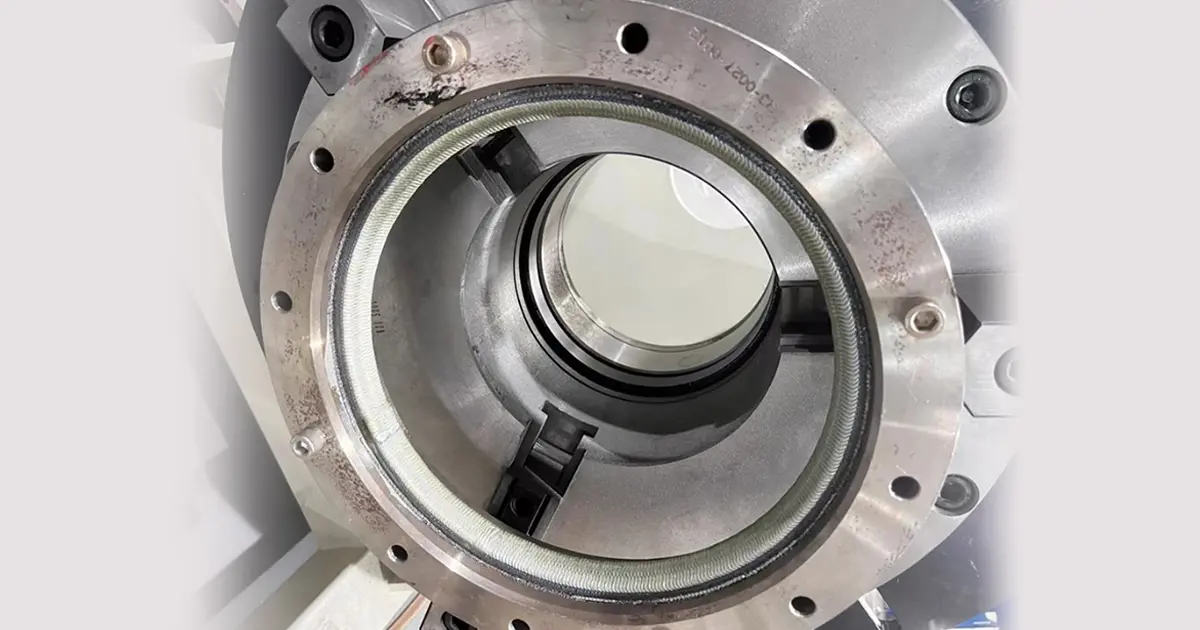
"The PTA Welding Valve Application Guide is not just a process choice for valve manufacturers facing high wear, high corrosion, and high-temperature erosion working conditions, but also a key path to improving product competitiveness. As industries such as petrochemical convert, Duomu systems have proven extremely reliable."
Valve Application Guide
Industrial Valves Specialist
Petrochemical Overlays
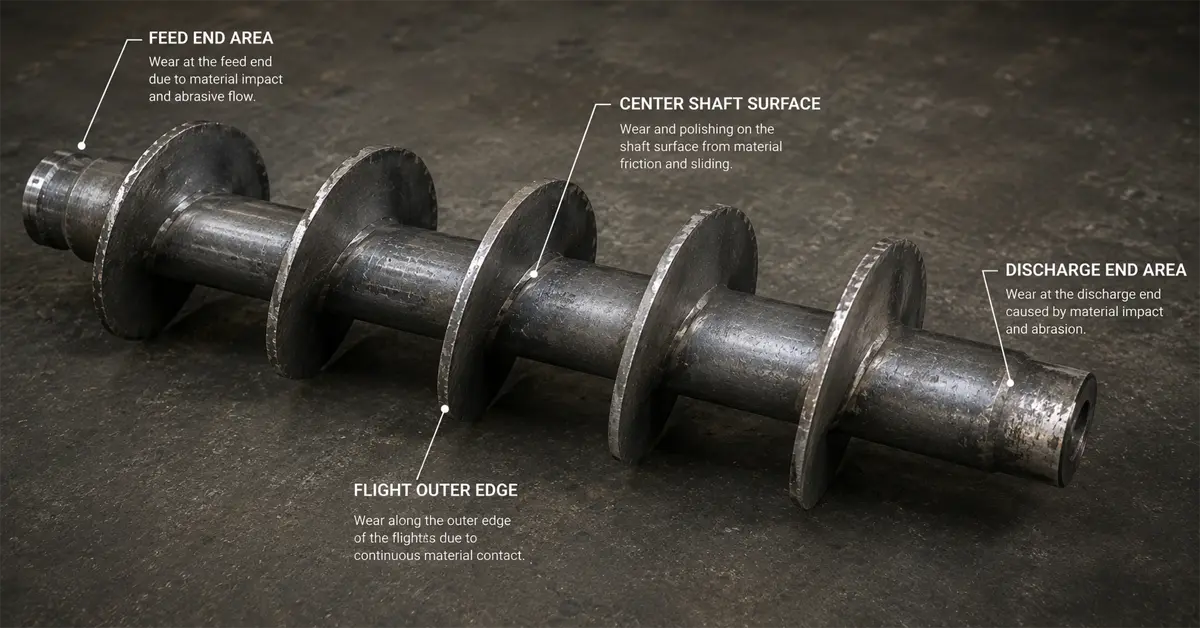
"In industries such as mining, cement, power generation, steelmaking, chemical processing, and biomass energy, screw conveyors are often regarded as auxiliary equipment. However, maintenance data shows that they are among the most frequent causes of unplanned production downtime. Using Duomu's PTA systems has changed our maintenance cycle dramatically."
Screw Conveyors
Maintenance Operations Director
Mining & Cement Materials Handling
"In Plasma Transferred Arc (PTA) hardfacing, achieving a high-quality overlay is not only about selecting the right alloy powder or optimizing welding parameters. One of the most critical factors that directly affects overlay performance is the dilution rate. Achieving under 8% dilution on carbon steel base plates was a huge win for our team."
PTA Hardfacing
Metallurgy Lab Manager
Quality Assurance & Testing

5. FAQ: Industry Solutions & Technical Inquiries

Clear, technical explanations addressing key questions from welding engineers and procurement specialists.

Q1: What are the main benefits of transitioning from automated TIG to PTA (Plasma Transferred Arc) cladding?
PTA cladding offers significantly higher deposition rates (up to 8 kg/h compared to TIG's 1.5-2.0 kg/h), lower base metal dilution (under 10%), and the ability to feed cost-effective metal powder directly into the arc. This reduces dilution-related contamination and provides higher hardness with fewer overlay layers.
Q2: Can laser cladding replace PTA cladding on all industrial components?
Laser cladding offers lower heat input, minimal distortion, and a very narrow HAZ, making it ideal for high-precision components like turbine blades, hydraulic rods, and rotors. However, PTA cladding remains more cost-effective for larger components with thick wear layers (e.g., screw conveyors, mining tools, large valves) where higher deposition rates are required.
Q3: How does Shanghai Duomu customize cladding equipment for internal diameter (ID) cladding?
We design dedicated tooling such as the DSL-LC401 double cone injection molding machine barrel inner hole cladding system. This features specialized internal bore torches with compact water-cooled designs, allowing automated PTA or laser cladding deep inside narrow cylinders and barrels down to 50mm IDs.
Q4: What types of alloy powders are compatible with Shanghai Duomu PTA equipment?
Our systems support a wide variety of spherical and near-spherical powders. These include Cobalt-based alloys (Stellite equivalents for high-temperature wear), Nickel-based alloys (for corrosion-resistant overlays), Iron-based alloys (for cost-effective wear protection), and Tungsten Carbide (WC) matrices for severe abrasive environments.

Premium Cladding Components & Systems

Engineered parts, automated cells, and auxiliary feeders configured for continuous industrial duty cycle demands.
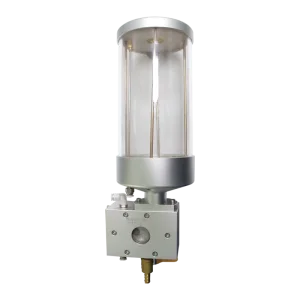
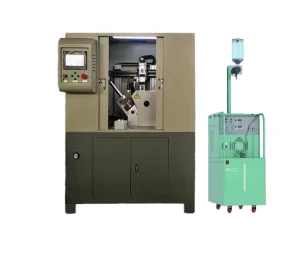
Powder feeder for PTAW & Laser Cladding

High-Quality Powder feeder for PTAW & Laser Cladding Suppliers, Factories

Request Quote
Automatic plasma welding machine for valve

High-Quality FB-200P Automatic plasma welding machine for valve Manufacturers, Factory

Request Quote
Robotic Laser cladding System for blades

China Robotic Laser cladding System for blades Manufacturer, Factory

Request Quote
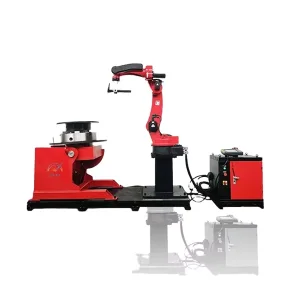
6 Axis Robot Arm Robotic Welding Machine

Custom Automatic 6 Axis Robot Arm Robotic Welding Machine For Corner Welding Manufacturers, Supplier

Request Quote
integrated plasma powder welding machine

Custom high integration, integrated plasma powder welding machine (dml-v03bd) Manufacturer, Suppliers

Request Quote
Plasma Transferred Arc Nozzle

High-Quality Robust Nozzle With Firm And Strong Plasma Transferred Arc Manufacturers, Suppliers

Request Quote
Automatic plasma cladding surfacing system for middle groove

High-Quality DZB-NC401 Automatic plasma cladding surfacing system for middle groove Manufacturer, Manufacturers

Request Quote
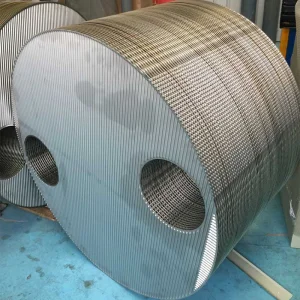
Numerical control welding machine for heat exchanger diaphragm

China DMMP-01 Numerical control welding machine for heat exchanger diaphragm Suppliers, Factories

Request Quote

Submit Technical Inquiry or RFQ

For inquiries about our products or pricelists, please leave your contact info and we will be in touch within 24 hours.

Partner Logo Partner Logo Partner Logo Partner Logo Partner Logo Partner Logo Partner Logo Partner Logo Partner Logo Partner Logo