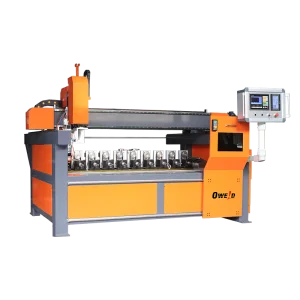
In modern metallurgical production and high-precision manufacturing, selecting the right welding technology is a decisive factor for operational durability, cost structures, and structural integrity. WIG Schweißen (often globally termed TIG or Tungsten Inert Gas welding) is a thermal joining process renowned for delivering the cleanest, highest-quality welds with virtually zero spatter. However, despite its unparalleled advantages, it poses significant operational bottlenecks.
In B2B supply chains, understanding the Wig Schweißen Vor und Nachteile (TIG welding advantages and disadvantages) is crucial. While manual WIG processes remain ideal for thin materials, artistic designs, and complex aerospace alloy joinings, they fall short in massive remanufacturing, high-deposition coating, and rapid industrial output scenarios. This realization is leading global industrial companies to transition towards automated Plasma Transferred Arc (PTA) cladding and Laser Cladding configurations.

WIG welding provides unmatched arc control. This enables precision penetration profiles and spatter-free joints, eliminating the need for aggressive post-weld grinding and surface conditioning.
Capable of welding titanium, stainless steel, carbon steels, copper alloys, and aluminum. WIG is the standard reference for safety-critical joints in aerospace and nuclear installations.
The primary bottleneck of manual WIG welding is its slow speed and low deposition rate (typically under 1.5 kg/hr). This makes it highly inefficient for large-scale industrial surface cladding or heavy-walled joints.
Operating manual WIG equipment demands elite levels of dexterity, metal pool control, and continuous training. Finding and retaining certified WIG welding specialists is a constant bottleneck for B2B procurement.
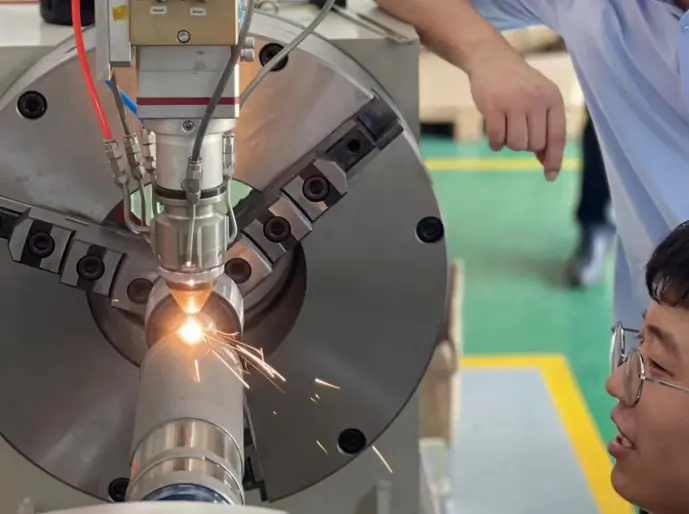
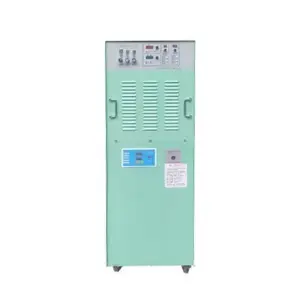
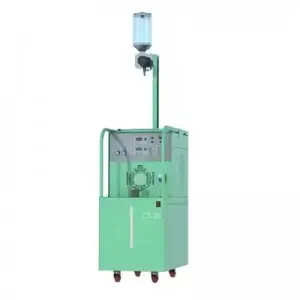
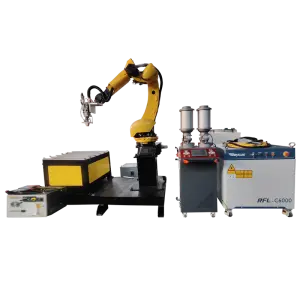
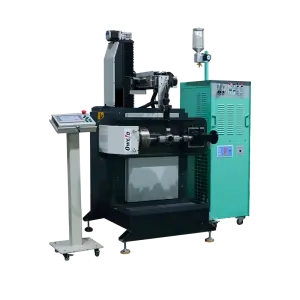
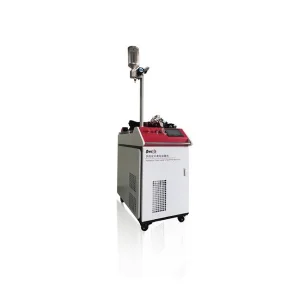
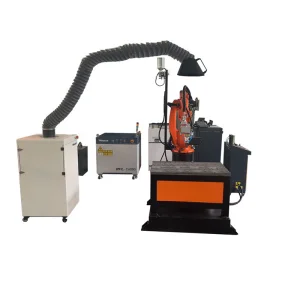
Recognizing the production throughput limitations of manual WIG, high-growth B2B procurement leaders are turning to Plasma Transferred Arc (PTA) Surfacing and Laser Cladding systems. These advanced technologies bridge the gap by retaining the positive shielding capabilities and low-defect rate of WIG while significantly increasing deposition speed.
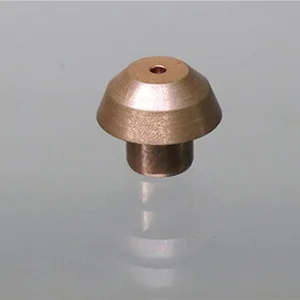
While standard WIG welding supplies heat directly via a non-consumable tungsten electrode, PTA constricts the arc through a specialized copper nozzle, converting the arc into a high-density plasma beam. The powder cladding material is fed automatically, ensuring minimal dilution with the base metal (typically 5% to 10%, compared to 15% to 25% in conventional MIG/TIG processes). This provides unmatched wear and corrosion resistance, rendering it a highly efficient solution for heavy industrial repairs.
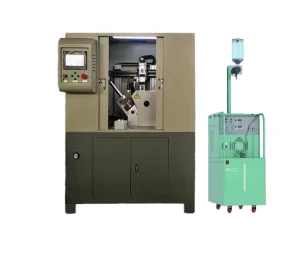
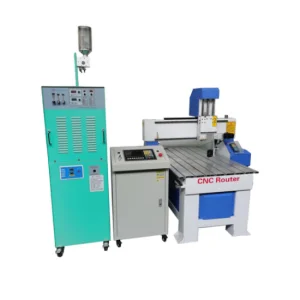
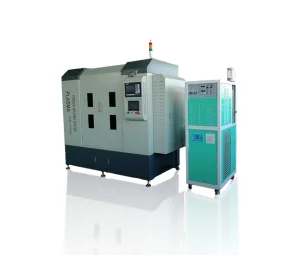
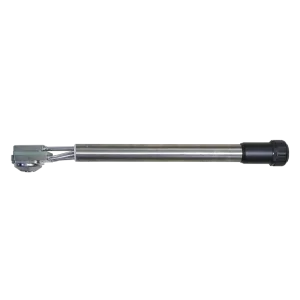
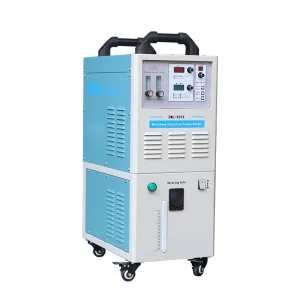
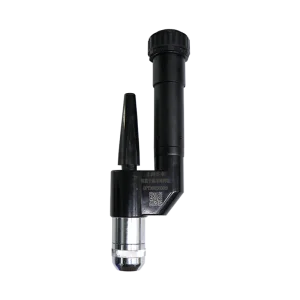
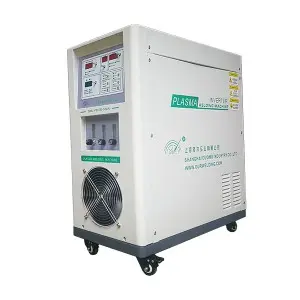
As global supply chains face geographic shifts and mounting cost pressures, partners like Shanghai Duomu offer unique advantages through advanced manufacturing technologies. Our China-based Factory 4.0 utilizes state-of-the-art intelligent CNC, robotic integration, and real-time sensor loops to manufacture high-durability PTA cladding machines, laser systems, and specialized torches.
By digitizing production pipelines, we maintain precise control over material traceabilities, mechanical tolerances, and quality testing criteria. This high-efficiency manufacturing translates directly into shorter lead times, customized automated tooling configurations, and competitive pricing structures for global B2B procurement.
Our manufacturing processes prioritize agility and resilience. Whether you require a single hydraulic rod cladding system or a complete fleet of automated plasma surfacing lines, our Factory 4.0 infrastructure guarantees high repeatability and strict compliance with international manufacturing guidelines.
At present, the company's products have penetrated into many fields such as aerospace military industry, nuclear power, petrochemical industry, coal mines, metallurgy and forging, agriculture, water conservancy and electric power, etc.
Shanghai Duomu has been a leading manufacturer and exporter of PTA cladding machine and Laser cladding machine for more than ten years with a strong technical background.
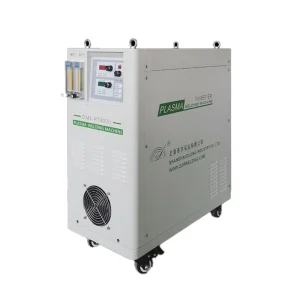
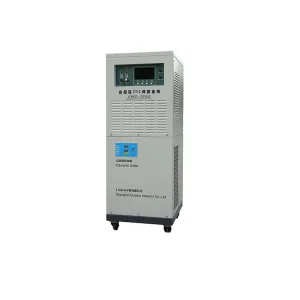
I have an independent R&D team, which develops, produces and sells plasma cladding machine equipment. The welding machine has stable performance and can maintain efficient long-term operation. In addition, the laser cladding equipment sold by the company can effectively support large-scale remanufacturing projects. We have mature technological means to provide complete sets of industrial equipment solutions.
Read More About Us
Providing complete sets of industrial equipment solutions.
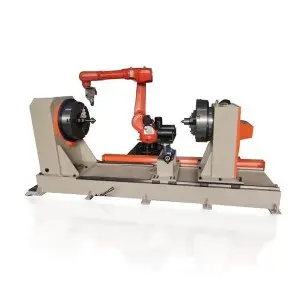
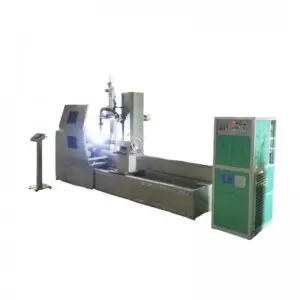
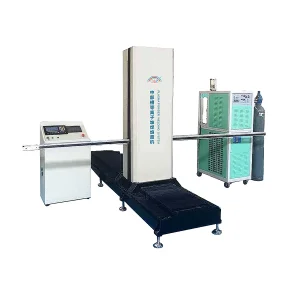
We can provide customized equipment, automatic laser cladding equipment, automatic plasma cladding equipment, intelligent robot cladding equipment, etc. according to customers' requirements, including special equipment in the industry, such as hydraulic rod cladding machine, pick cladding machine, valve cladding machine, etc.
Discover how global companies deploy PTA cladding and laser heat treatment to resolve critical component wear.
"The PTA Welding Valve Application Guide is not just a process choice for valve manufacturers facing high wear, high corrosion, and high-temperature erosion working conditions, but also a key path to improving product competitiveness. As industries such as petrochemical, ..."
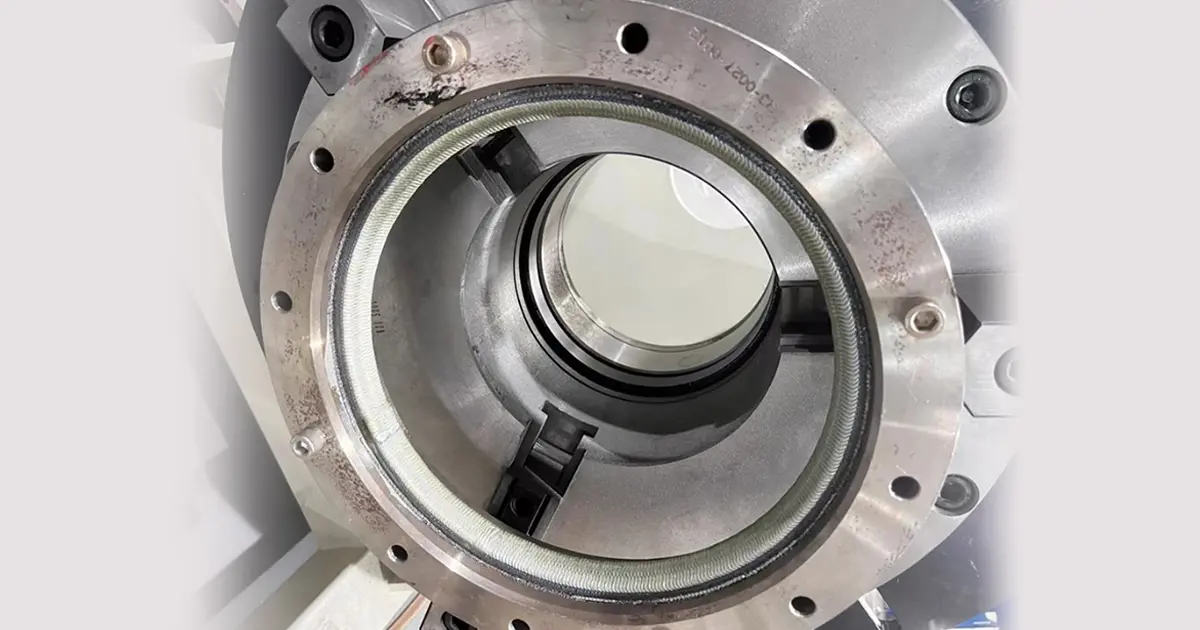 Valve Hardfacing Guide
"In industries such as mining, cement, power generation, steelmaking, chemical processing, and biomass energy, screw conveyors are often regarded as auxiliary equipment. However, maintenance data shows that they are among the most frequent causes of unplanned production d..."
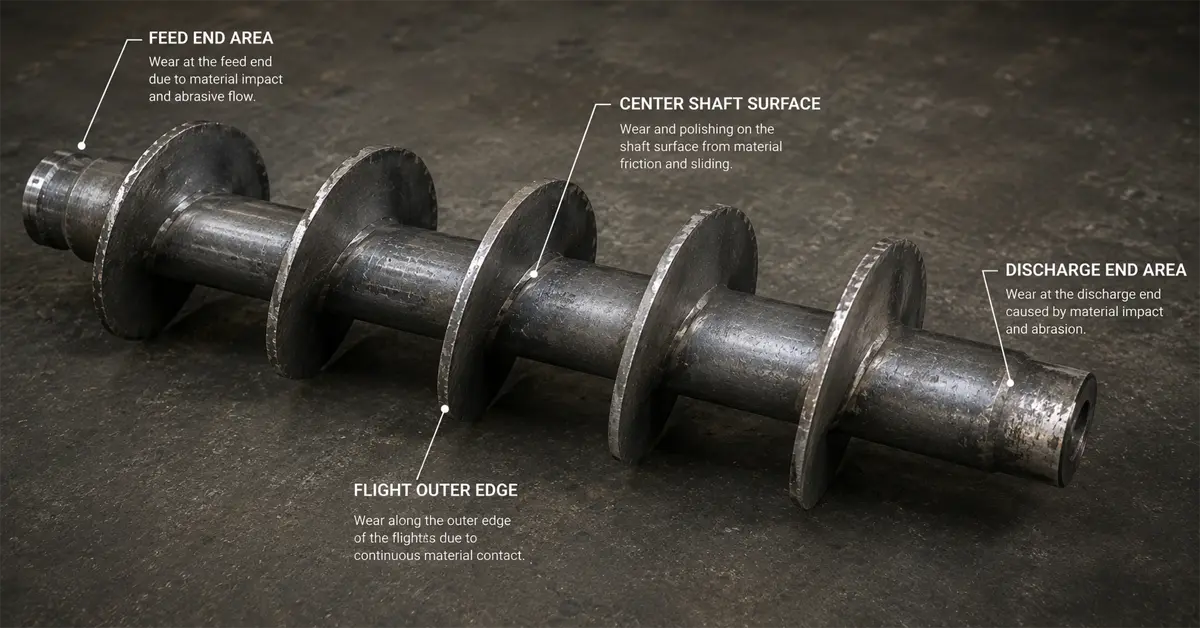 Screw Conveyor Cladding
"In Plasma Transferred Arc (PTA) hardfacing, achieving a high-quality overlay is not only about selecting the right alloy powder or optimizing welding parameters. One of the most critical factors that directly affects overlay performance is the dilution rate. Whether you ..."
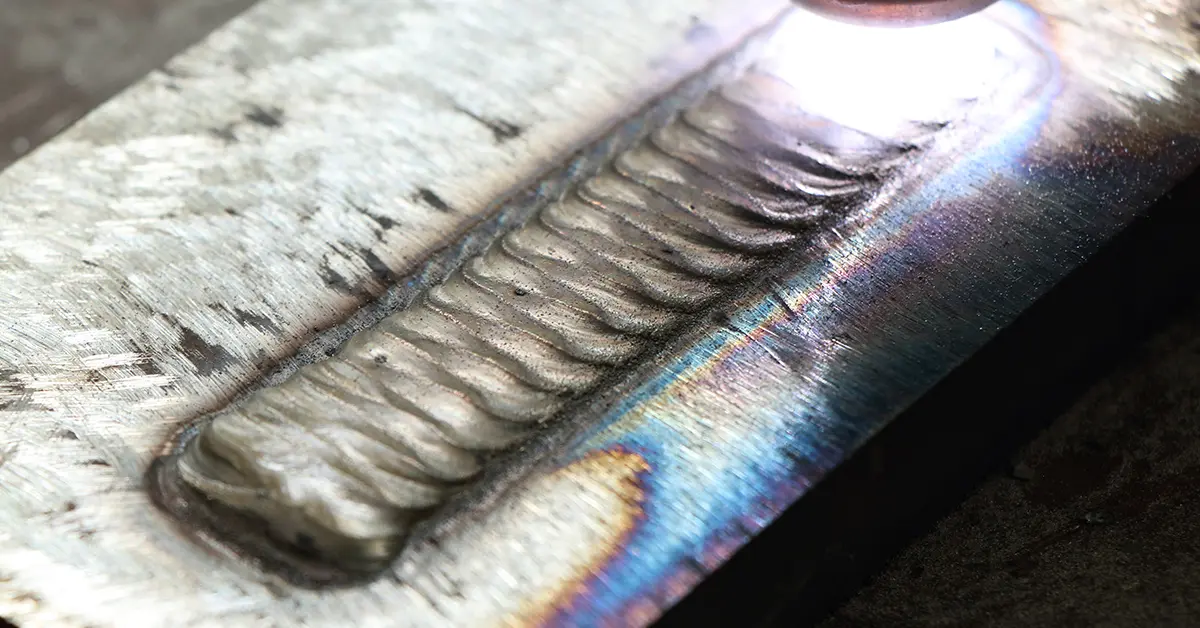 Dilution Rate Analysis
"In industries such as Oil & Gas, Mining, Power Generation, Cement, and Heavy Equipment Manufacturing, hardfacing is no longer just a repair process. It has become a critical technology directly related to equipment lifespan, downtime costs, maintenance frequency, and..."
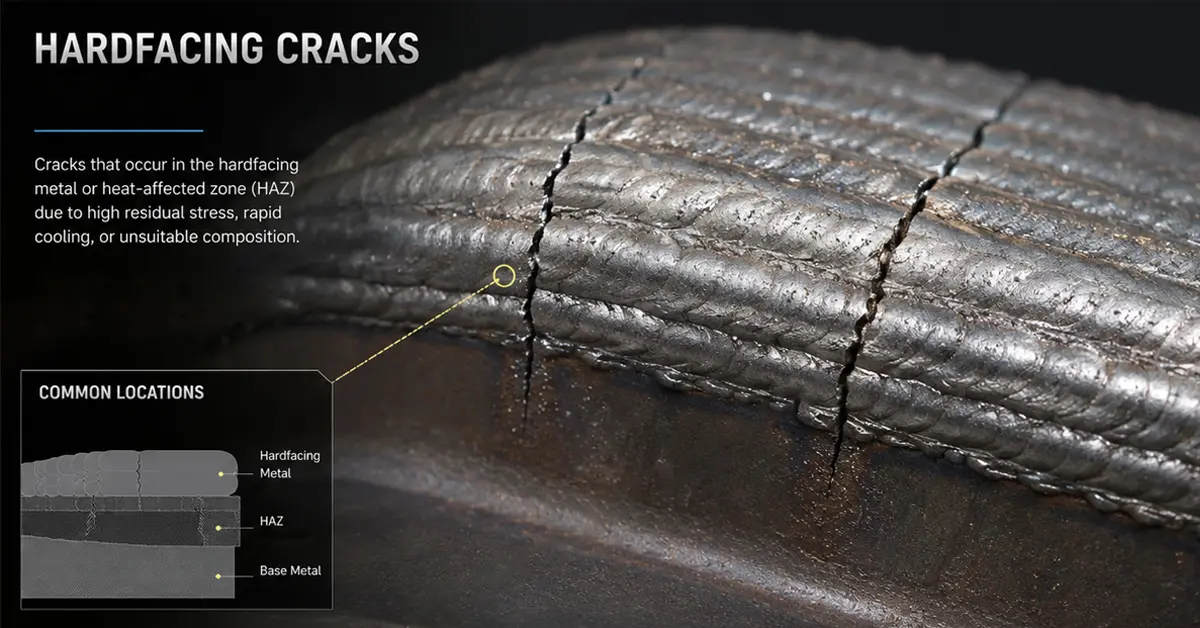 Heavy Industrial Coating
"In industries such as oil & gas, petrochemical, power generation, mining, and marine engineering, industrial valves are constantly exposed to severe operating conditions including: High pressure, Extreme temperatures, Corrosive media, Abrasive wear, Sand erosion..."
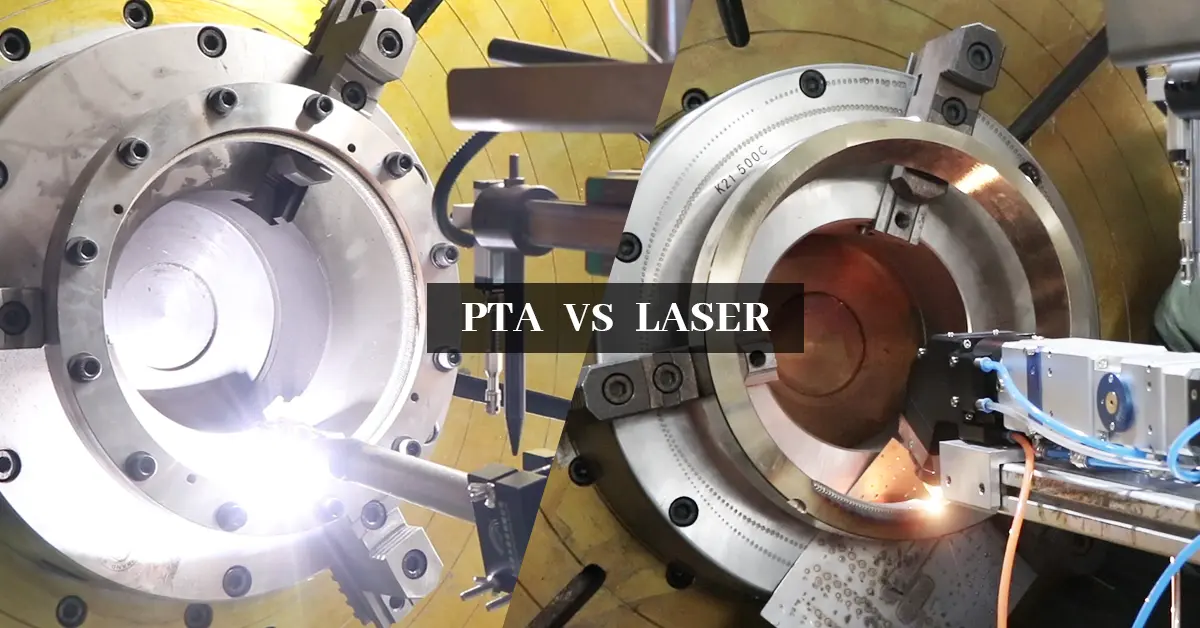 Severe Operations Guide
Today's heavy-duty industrial landscape requires a shift in manufacturing efficiency. Project managers and procurement departments can no longer rely solely on manual WIG/TIG methods for mass component surfacing. The combination of high labor costs, a shortage of skilled welders, and the demand for longer component lifespans in harsh environments has accelerated the adoption of automated PTA and laser cladding systems.
Furthermore, regulatory bodies now enforce strict sustainability and material circularity policies. Retaining worn components and performing surface remanufacturing using PTA and laser technology is far more carbon-efficient than manufacturing new items from scratch.
Industries such as agriculture, mining, and oil extraction benefit significantly from localized, automated cladding systems. By applying a wear-resistant alloy layer directly onto key surfaces, companies can extend component life by 300% to 500%.
| Method | Deposition Rate | Dilution Rate | Automation |
|---|---|---|---|
| Manual WIG | Low (< 1.5 kg/h) | Medium (15%) | Manual Only |
| Plasma (PTA) | High (2-12 kg/h) | Low (5-10%) | High (CNC/Robot) |
| Laser Cladding | Medium (1-4 kg/h) | Ultra-low (< 5%) | Fully Automated |
Deep technical answers based on global engineering standards for WIG, Plasma, and Laser operations.
For inquiries about our products or pricelist, please leave your contact details with us and our engineering support team will reach out within 24 hours.









 Duomu
Duomu