Explore our targeted, high-precision surface modification machines engineered to tackle extreme wear and corrosion in Verona's manufacturing sectors.
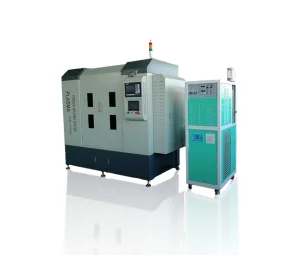
Designed for heavy duty cutting pick reinforcement in mining and geological drilling components.
Learn More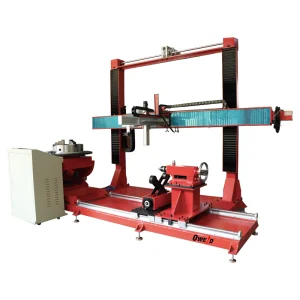
Industrial gantry structure built to deliver stable, high-capacity automatic cladding processes.
Learn More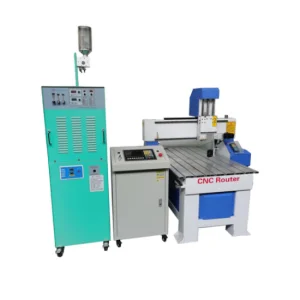
Optimized for flat surface cladding, delivering exceptionally low dilution rates and uniform hardness profiles.
Learn More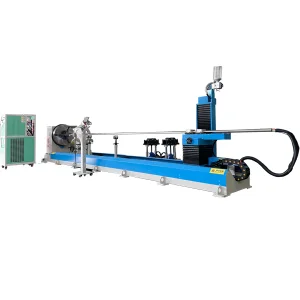
Specialized system engineered for high-precision inner wall hardfacing of extruder screws and cylinders.
Learn MoreVerona and the wider Veneto region stand at the heart of Italy's manufacturing and precision metalworking industries. From the historical marble quarrying operations in Valpolicella to the high-demand agricultural machinery manufacturers, industrial components undergo severe mechanical and chemical wear. Traditional thermal spray and hard chromium coatings are no longer sufficient under modern environmental and performance mandates.
Shanghai Duomu provides state-of-the-art Plasma Transferred Arc (PTA) and Laser Cladding technologies to local fabricators and international procurement directors looking for reliable wear-reduction systems. Our equipment introduces high-performance metallurgical bonding, reducing base metal dilution while increasing surface lifetime by up to 300%.
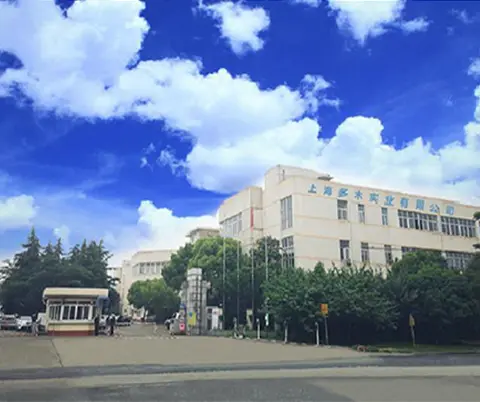
A structural comparison designed for Verona’s engineering and purchasing managers to select the optimal surface modification process.
| Performance Parameter | Plasma Transferred Arc (PTA) | Laser Cladding System | Ideal Verona Industrial Use Case |
|---|---|---|---|
| Heat Input | Medium (Concentrated electric arc) | Very Low (Coherent fiber laser beam) | Laser Cladding prevents distortion in thin-walled extrusion barrels. |
| Deposition Rate | High (typically 2 - 8 kg/h) | Medium (typically 1 - 4 kg/h) | PTA is preferred for rebuilding heavy quarry excavator bucket teeth. |
| Dilution Rate | 5% to 10% | Less than 5% (Down to 1%) | Laser Cladding ensures chemistry purity in precision valve seats. |
| Bonding Type | Metallurgical (High strength) | Metallurgical (Excellent shear strength) | Both eliminate delamination risk common in HVOF spraying. |
| Heat Affected Zone (HAZ) | Narrow (1.5 - 3.0 mm) | Ultra-Narrow (0.2 - 1.0 mm) | Laser cladding preserves core properties of complex alloy tool steels. |
| Investment Cost | Moderate (Highly economical) | High (Optoelectronic intensive) | PTA delivers maximum ROI for agricultural wear plate hardfacing. |
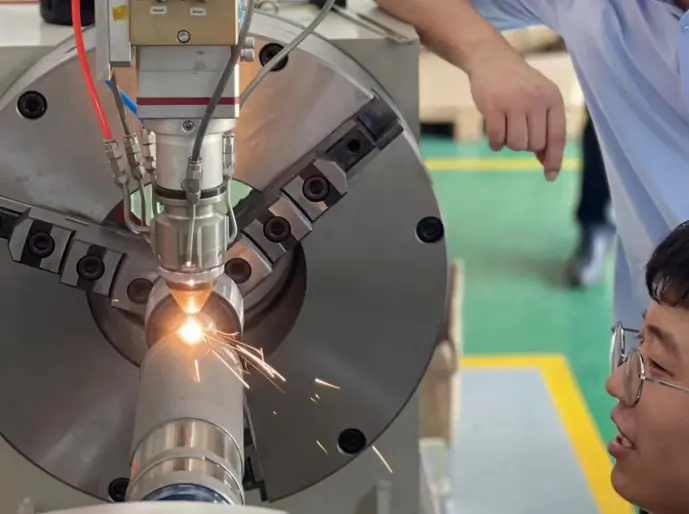
At Shanghai Duomu, we operate an independent Research & Development division focused entirely on the customization and optimization of plasma powder surfacing and laser hardening platforms. With over 10 years of export experience, we design complete automated solutions integrated with multi-axis CNC manipulators, smart monitoring sensors, and closed-loop temperature control systems.
Our systems feature highly stable powder feeders, maintaining feed rate consistency to within ±1.5%. For Verona's engineering houses, we deliver custom-designed cladding heads capable of inner-diameter surfacing down to 50mm, ensuring complete structural renewal of wear-prone internal spaces.
Request Custom Engineering SpecTargeted surfacing applications developed to meet the operational demands of Europe’s heavy-duty industrial clusters.


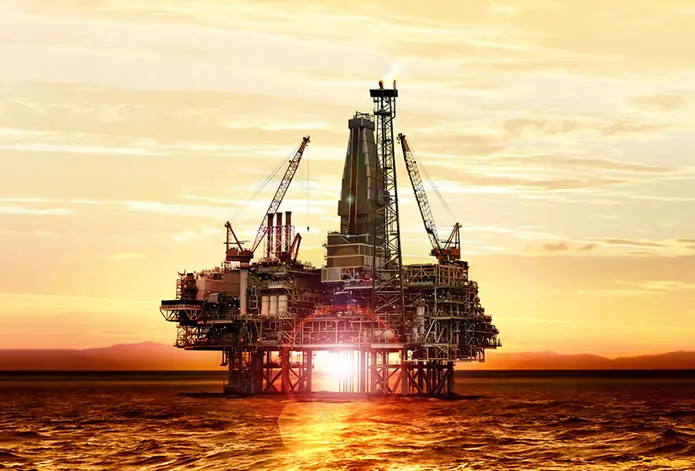
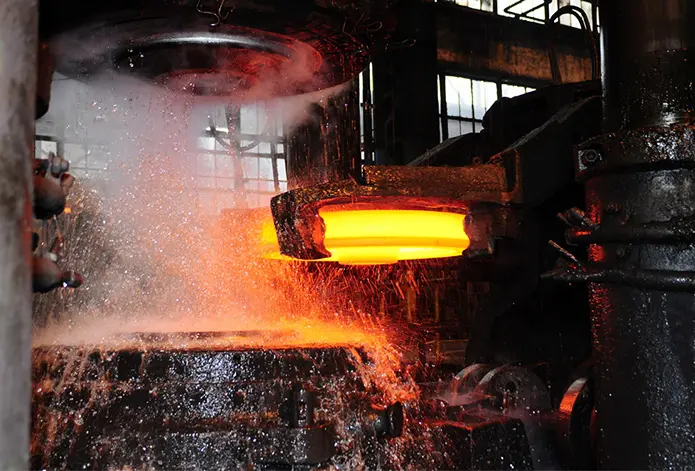
Combining world-class production capacity with rigorous European quality and documentation standards.
We build tailored solutions like integrated manipulator positioning systems, specialized laser cladding nozzles, and specific automation parameters optimized for European workshops.
Every PTA and laser cladding system meets international CE directives and is tested continuously for 72 hours before shipping, ensuring hassle-free installation in Verona plants.
By bypassing multiple broker layers and acquiring hardware direct from our Shanghai manufacturing facility, European clients experience up to 40% reduction in capital expenditure.
A selection of heavy-duty plasma cladding systems, robotic manipulators, and valve welding machinery optimized for the manufacturing floor.
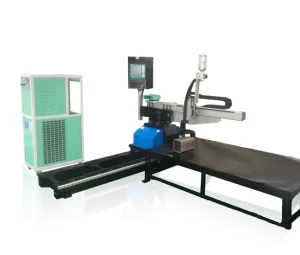
Ideal for extending the working lifespan of linear gate valves and high-temperature sealing rings.
Learn More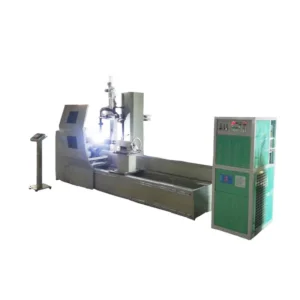
Engineered for precision overlaying of telescopic hydraulic cylinders subjected to marine environments.
Learn More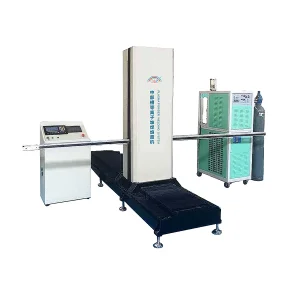
Custom-built configuration designed to armor wear-prone internal surfaces of heavy conveyor segments.
Learn More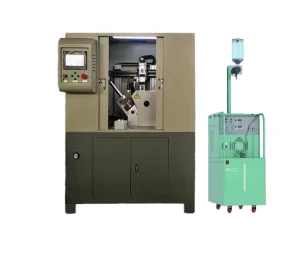
Designed for compact space processing of valve seats, enhancing gas and liquid tight seals.
Learn More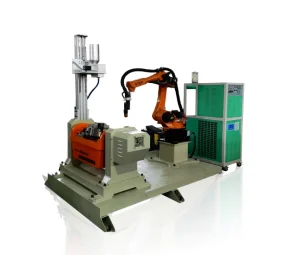
An integrated robotic arm with path planning software for complex 3D profiles and complex geometrics.
Learn More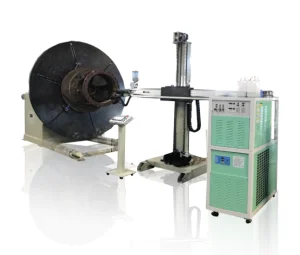
Provides multi-axis positioning controls for continuous, uniform round-alloy deposition.
Learn More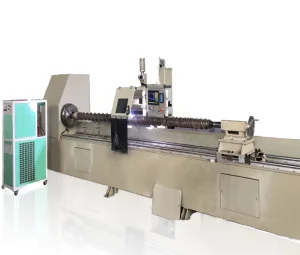
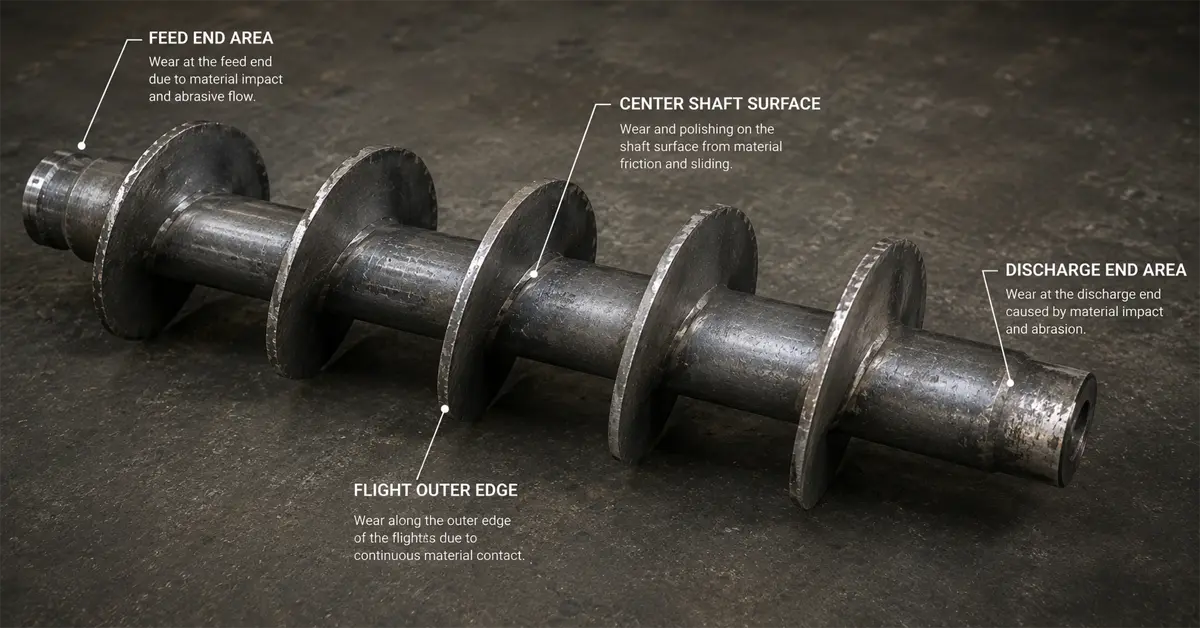
Designed for helicoid flight edge reinforcement on bulk powder processing and cement extrusion screws.
Learn More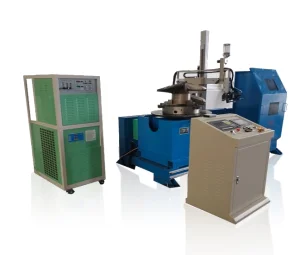
Heavy duty hardfacing of mixing paddles and brick molding extrusion components facing abrasive clays.
Learn MoreYears R&D Experience
Extended Part Lifespan
Systems Deployed Globally
Precise HAZ Controls
Technical guidance for engineers seeking high-integrity wear-resistant surfaces via PTA and Laser processes.
Heavy industrial sectors in Verona deal with tough combination wear styles: severe abrasion, erosive fatigue, high heat environments, and localized chemical corrosion. For example, during marble cutting and stone sizing operations in Verona quarry pits, tools slide against sharp, crushed silica fragments. Standard induction hardened tool steel quickly wears out, resulting in unplanned shutdown periods.
By using Plasma Transferred Arc (PTA) and laser powder cladding, operators introduce a specialized carbide matrix directly over low alloy structural steels. Typical composite powders, such as spherical tungsten carbide (NiCrBSi-WC), deposit hard protective particles within a tough, corrosion resistant nickel-chromium alloy matrix. This dual-phase structure stops micro-cracking and resists wear, increasing tooling performance.
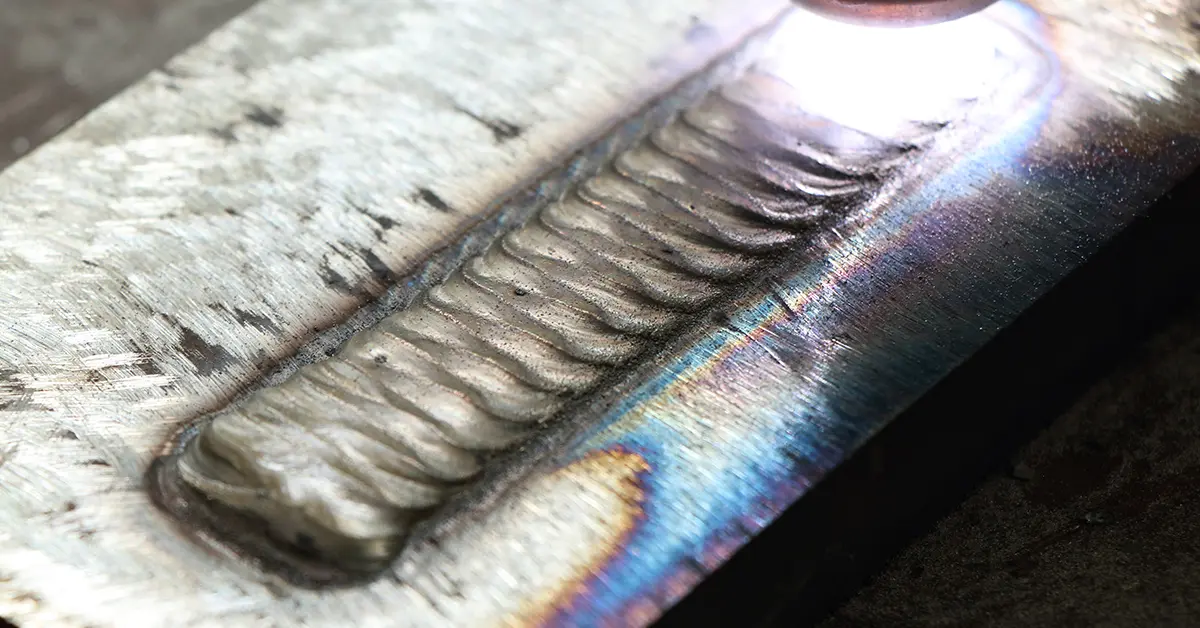
For high precision engineering applications where minimal component deformation is critical, our laser cladding systems offer unparalleled control. Using direct diode or fiber laser light sources, thermal energy is localized on the work surface, generating an extremely shallow melting pool. The cladding powder is introduced coaxially via carrier gas systems to melt and bond cleanly with the substrate.
This process limits thermal distortion, allowing operators to run cladding repairs on precision components like multi-stage hydraulic shafts and high speed rotating turbine axles. The resulting surface layer has an exceptionally low dilution rate, maintaining the original chemical properties of the cladding alloy powder.
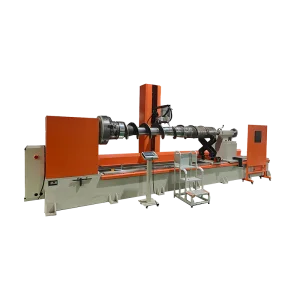
Specialized system for continuous overlaying on flight borders of heavy-duty extrusion screws.
Learn More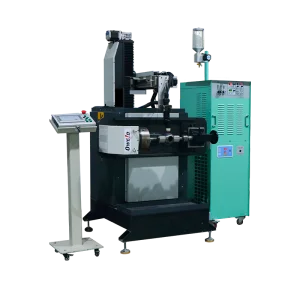
Multi-axis automated rotary platform for consistent seal rings and spherical valve profiles.
Learn More
Automated industrial lathe-style setup for hydraulic piston rod resurfacing and repairs.
Learn More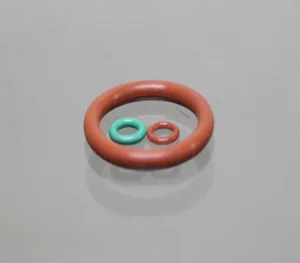
Essential gas sealing consumable parts engineered for high-temperature plasma welding torches.
Learn MoreReal-world reports from manufacturing engineers and metalworking workshops running Duomu systems.
"The PTA Welding Valve Application Guide is not just a process choice for valve manufacturers facing high wear, high corrosion, and high-temperature erosion working conditions, but also a key path to improving product competitiveness. We deployed the FB-200P and the wear durability of our industrial gas valves has doubled."
Industrial Fluid Controls, Europe
"In industries such as mining, cement, power generation, steelmaking, chemical processing, and biomass energy, screw conveyors are often regarded as auxiliary equipment. However, maintenance data shows that they are among the most frequent causes of unplanned production downtime. Using Duomu's DLG-NC401 screw welding system has drastically cut our repair frequency."
Verona Bulk Logistics Hub
"In Plasma Transferred Arc (PTA) hardfacing, achieving a high-quality overlay is not only about selecting the right alloy powder or optimizing welding parameters. One of the most critical factors that directly affects overlay performance is the dilution rate. Shanghai Duomu machines gave us consistent control down to 5% dilution."
Metallurgical Research Center
Customized configurations built for automated manufacturing plants.
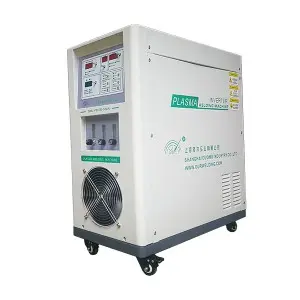
High-precision PTA surfacing device optimized for thin-walled parts and delicate mechanical components.
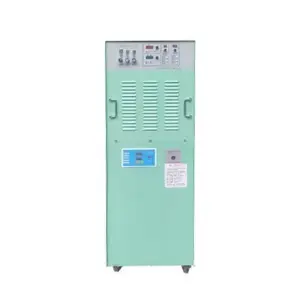
Combines surfacing, surface alloying, and welding into a single control panel for diverse engineering shops.
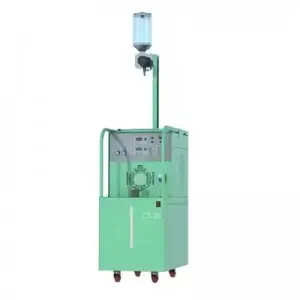
Versatile station capable of switching between cobalt, nickel, and iron-based alloy powders.
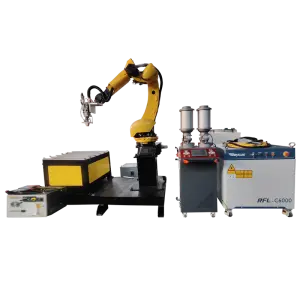
Precision-focused multi-axis system designed for rebuilding complex curves on turbine and impeller blades.
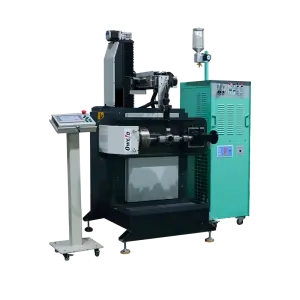
Advanced tooling interface engineered for seal surface cladding of high-corrosion industrial ball valves.
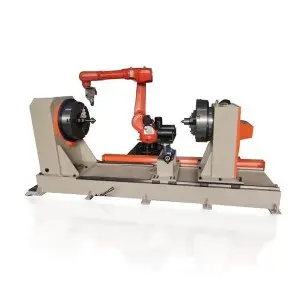
Dynamic robotic arm with high-power laser beam delivery for localized, ultra-fast hardening processes.







Technical answers to common questions about selecting systems, alloy choices, and export logistics for Italy.
A1: Laser Cladding features a much narrower Heat Affected Zone (HAZ), typically 0.2 to 1.0 mm, compared to PTA's 1.5 to 3.0 mm. This minimizes component distortion, making it perfect for high-precision shafts, extruder screws, and thin-walled barrels where mechanical tolerances are critical.
A2: We offer complete engineering files, setup assistance, remote diagnostics, and tailored commissioning. Every cladding machine we export to Italy meets EU CE directives and is shipped with detailed operations manuals and parameters presets.
A3: Our equipment handles a wide range of standard alloys: cobalt-based (Stellite equivalents), nickel-based, iron-based, and composite mixtures containing tungsten carbide (WC) particles. Our dual-wheel powder feeder allows precise control of tungsten carbide ratios for extreme abrasion environments.
A4: For our laser cladding systems, dilution rates can be controlled below 1% to 3% in a single pass. For our PTA systems, dilution is typically kept between 5% and 8%. This ensures that the applied surface alloy retains its wear and corrosion resistance without excessive mixing with the substrate metal.
A5: Yes. Our technical department specializes in programming multi-axis robots and configuring manipulator setups. We can develop customized interfaces linking our power supplies directly to your existing production line, allowing automatic start/stop and closed-loop control.
A6: Standard lead time is 45 to 60 days for production and assembly calibration, followed by sea freight transit to Venice or Genoa port. We coordinate all logistics, customs documentation, and load testing prior to departure.
Get in touch with our engineering team today. We provide comprehensive equipment configurations, component testing reports, and pricing within 24 hours.
Send Inquiry Now Duomu
Duomu