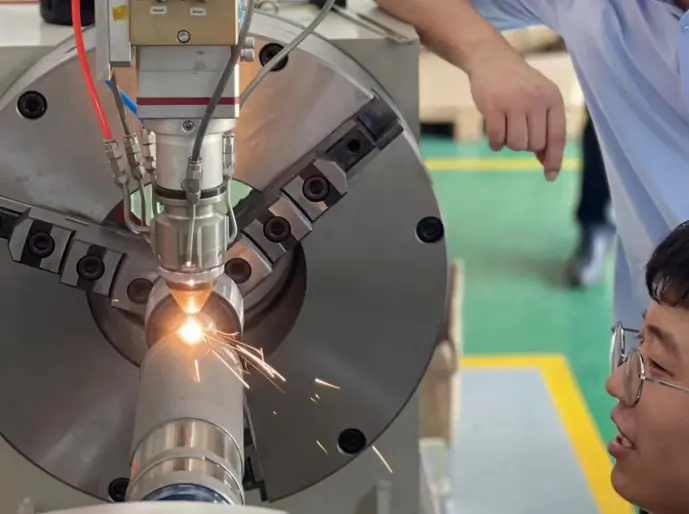
Engineered for high-volume automotive stamping dies, severe-wear engine components, and industrial extrusion tools across Detroit's manufacturing corridors.
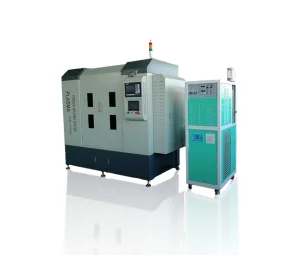
Automated high-efficiency cladding machine specialized for cutting picks and heavy tooling. Configured to deliver extreme wear resistance in construction and mining tools serving Michigan industrial sites.
Explore Specs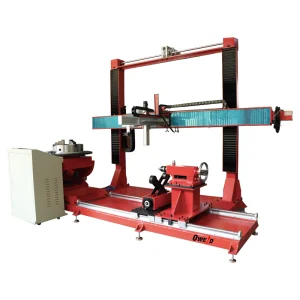
Heavy-duty double column gantry architecture designed for large-format automotive die surfacing and heavy structural components in Detroit forging lines.
Explore Specs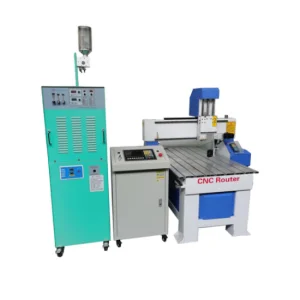
Flat-surface automated plasma hardfacing station. Ideal for cladding wear plates, heavy guide tracks, and engine block seating assemblies utilized by Detroit OEM plants.
Explore Specs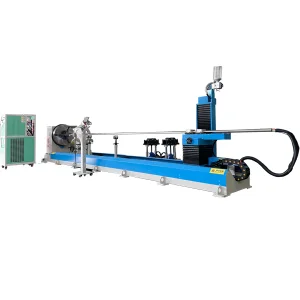
Advanced inner-diameter cladding system for double cone barrels. Protects crucial injection molding machinery components from corrosive polymer wear.
Explore SpecsDetroit, Michigan—the historic powerhouse of American industrialization—is currently undergoing a profound technological transformation. Known globally as the "Motor City," its manufacturing demands have shifted from basic assembly to advanced metallurgy, lightweight material processing, and heavy tool life extension. In this highly competitive environment, manufacturing plants face critical wear issues. Stamping dies, forging tools, engine valves, and turbine blades are subjected to extreme thermal cycling, high contact friction, and corrosive environments.
Local Detroit stamping plants and tier-1 suppliers utilize high-strength, low-alloy (HSLA) steel and advanced high-strength steel (AHSS) to manufacture automotive components. However, stamping these tough steels accelerates the degradation of the tooling dies themselves. Standard tool steel dies fail prematurely without surface modifications. Plasma Transferred Arc (PTA) welding serves as the premium technological standard for cladding and hardfacing, allowing Detroit automotive manufacturers to extend the operating life of their stamping dies and machine tools by 300% to 500%.
On a global scale, Plasma Transferred Arc (PTA) welding is recognized as a highly versatile thermal surfacing process. Unlike conventional gas metal arc welding (GMAW) or gas tungsten arc welding (GTAW), the PTA process uses a constricted arc to melt both the substrate surface and a metallic powder alloy feedstock simultaneously. This results in a true metallurgical bond with exceptionally low dilution rates (typically between 3% to 7%).
Global aerospace, mining, steel production, and petrochemical industries are increasingly replacing thermal spray methods with PTA cladding. The reason is simple: thermal spray coatings form mechanical bonds that are susceptible to delamination under heavy impact, whereas PTA forms a fully integrated metallurgical weld overlay that can withstand the harshest shear stresses and impacts in the field.
The core advantages of Shanghai Duomu’s PTA systems lie in precise dilution control, excellent powder deposit efficiency, and thermal profile management:
Years R&D Experience
Efficiency Improvement
Global Installations
Ultra-low Dilution Rate
At present, our products have penetrated into many fields such as aerospace military industry, nuclear power, petrochemical industry, coal mines, metallurgy and forging, agriculture, water conservancy and electric power, etc.



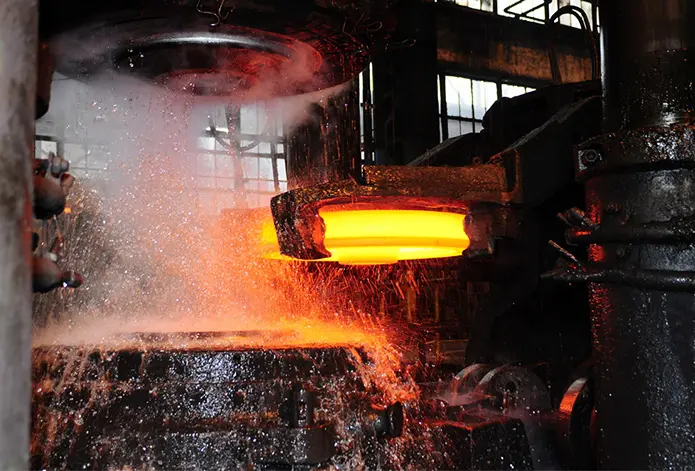
Shanghai Duomu has been a leading manufacturer and exporter of PTA cladding machines and Laser cladding machines for more than ten years with a strong technical background. Our independent R&D team develops, produces, and sells advanced plasma cladding machine equipment globally.
The welding machines manufactured by Shanghai Duomu maintain highly stable performance and can support continuous 24/7 industrial production. Additionally, the laser cladding systems we offer can support large-scale remanufacturing projects. We have mature technological solutions to provide complete industrial system integrations for global manufacturing clients.
By purchasing direct from our advanced manufacturing facility in China, Detroit businesses gain access to significant strategic advantages:
Customized equipment built to precise engineering standards including intelligent robot integrations and specialized vertical cladding systems.
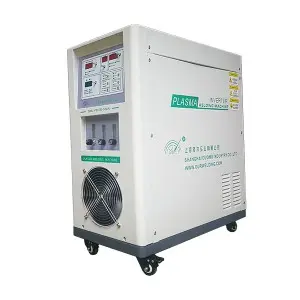
Engineered for high-duty cycle surfacing operations, integrating stable arc technology and optimized alloy powder delivery.
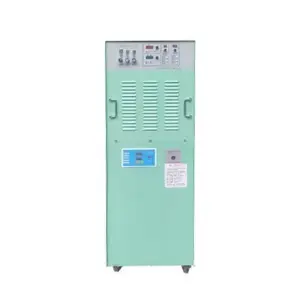
An all-in-one process configuration that supports multi-axis motion control and variable material deposition for complex mechanical geometries.
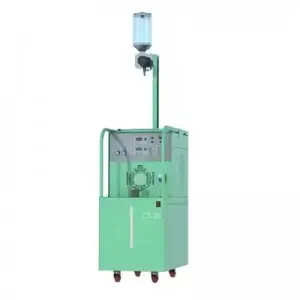
Highly adaptable machine configuration capable of executing precise overlays on valves, rings, and industrial blade wear areas.
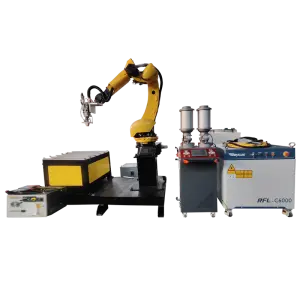
Ultra-precise localized energy source designed for thin turbine blades, impellers, and critical engine parts, minimizing thermal distortion.
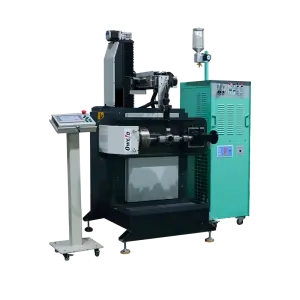
Specialized orbital rotation design for continuous cladding on ball valves, providing leak-proof, wear-resistant metallurgical bonds.
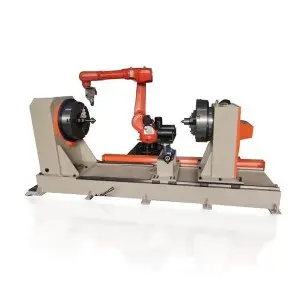
Multi-axis robotic arm with laser head configured for hardening large mechanical molds, gear profiles, and stamping dies.
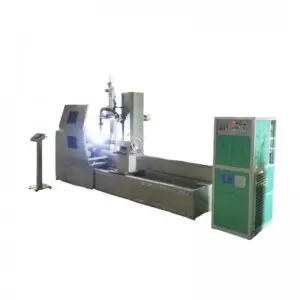
Designed specifically to protect long hydraulic rods from offshore, mining, and heavy-duty industrial environmental corrosion.
Explore our extensive line of high-duty-cycle industrial cladding systems engineered to reduce operational maintenance and component wear.
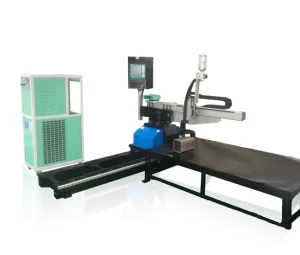
A versatile cantilever mechanism providing long reach for heavy component surfacing, common in large Detroit forging houses.
Explore Specs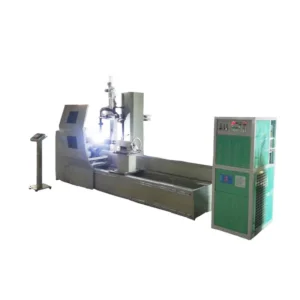
Optimized for long hydraulic piston rods, supplying uniform cladding overlays of bronze, stainless steel, or cobalt alloys.
Explore Specs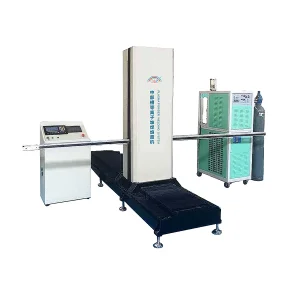
Specifically engineered for internal groove cladding and conveyor screw channels subjected to continuous friction.
Explore Specs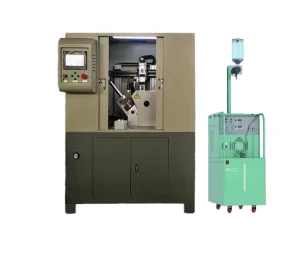
High-volume automatic production welder designed specifically for mass hardfacing engine intake/exhaust valves.
Explore Specs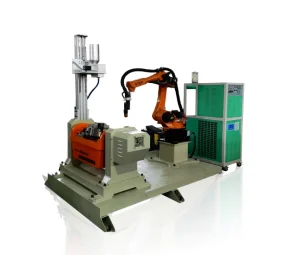
An intelligent 6-axis robotic system engineered to apply complex multi-dimensional protective overlays on complex dies.
Explore Specs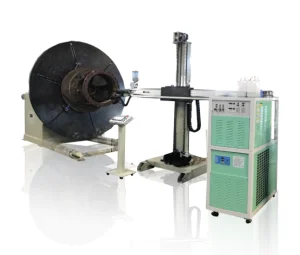
High-capacity positioning manipulator designed to rotate and tilt heavy industrial workpieces during PTA cladding operations.
Explore Specs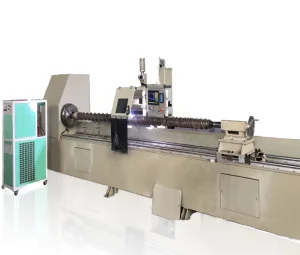
Automated spiral cladding system designed for extrusion and conveying screws, ensuring consistent weld profile geometry.
Explore Specs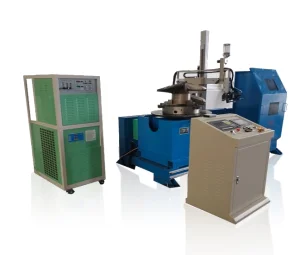
Heavy cladding rig dedicated to rebuilding high-wear helical blades used in structural brick and clay processing equipment.
Explore SpecsModern PTA cladding operations are moving away from manual alignment to fully automated robotic configurations. Procurement officers in Detroit prioritize systems that integrate seamlessly with robotic arms (such as KUKA, FANUC, or ABB) and utilize CNC controls for toolpath programming. Automated systems eliminate human error, ensuring a uniform cladding layer with consistent hardness profiles across the entire batch.
Sustainability is now a core pillar of corporate procurement policies. Rather than scrapping worn automotive components or casting tooling, remanufacturing via PTA cladding allows companies to repair localized wear areas, restoring parts to OEM specifications. This process uses up to 90% less raw material and energy compared to forging a new component from scratch, reducing the environmental footprint.
When selecting a PTA equipment manufacturer, international procurement managers focus on three main metrics:
See how our PTA cladding systems have helped automotive, mining, and oil & gas partners optimize equipment lifespan and minimize unplanned maintenance.
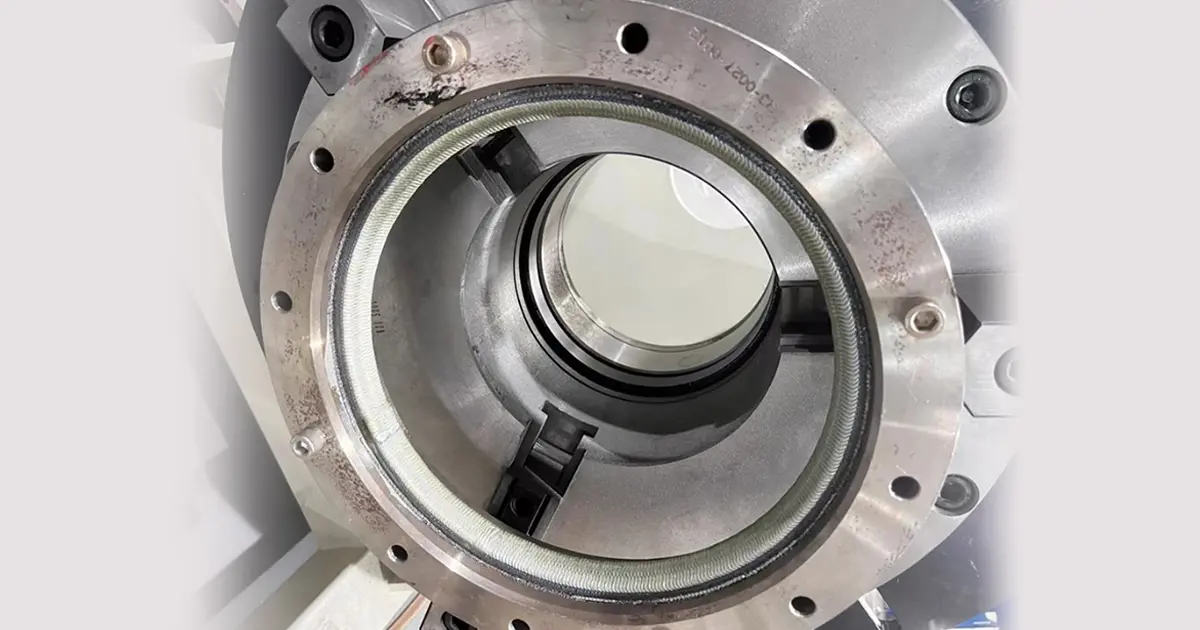
"The PTA Welding Valve Application Guide is not just a process choice for valve manufacturers facing high wear, high corrosion, and high-temperature erosion working conditions, but also a key path to improving product competitiveness. As industries such as petrochemical, power generation, and marine engineering seek longer lifespans, we chose Duomu."
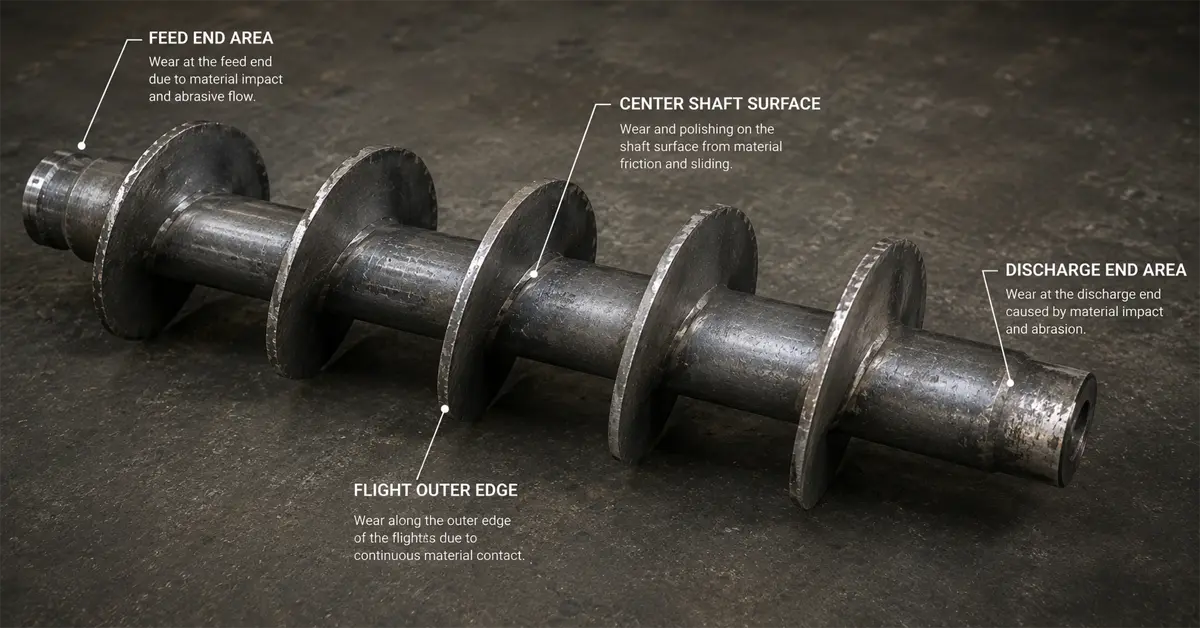
"In industries such as mining, cement, power generation, steelmaking, chemical processing, and biomass energy, screw conveyors are often regarded as auxiliary equipment. However, maintenance data shows that they are among the most frequent causes of unplanned production downtime. Using Duomu's PTA cladding machine has decreased screw failures significantly."
"In Plasma Transferred Arc (PTA) hardfacing, achieving a high-quality overlay is not only about selecting the right alloy powder or optimizing welding parameters. One of the most critical factors that directly affects overlay performance is the dilution rate. Whether you weld tool steel or cast iron, Duomu's controls kept our dilution below 5%."
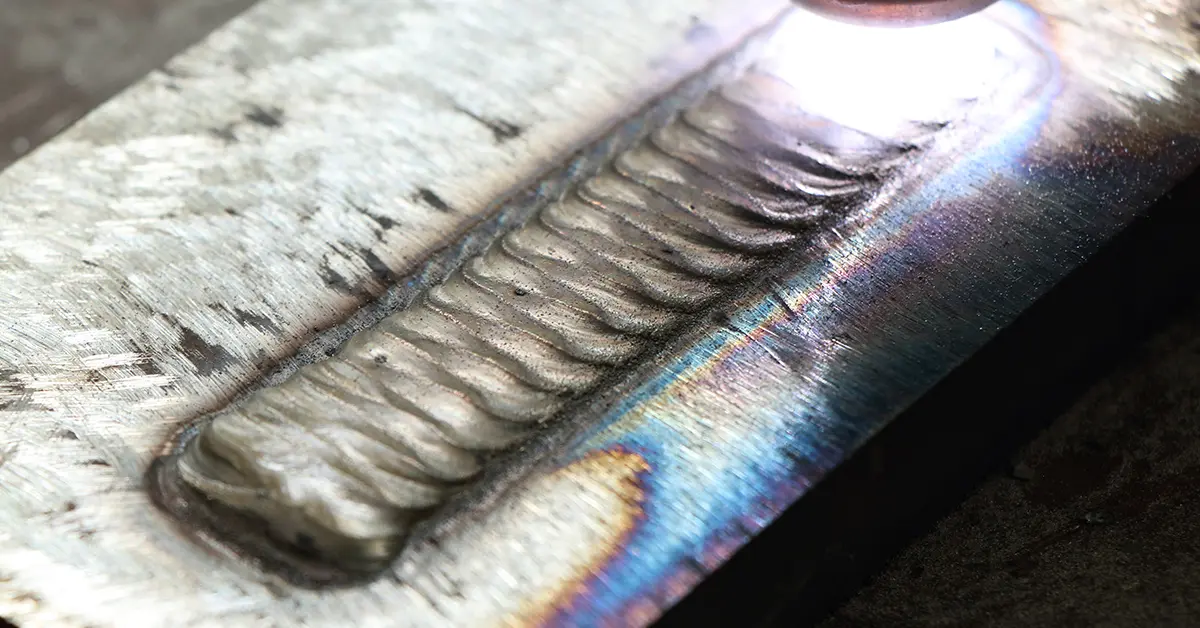
"In industries such as Oil & Gas, Mining, Power Generation, Cement, and Heavy Equipment Manufacturing, hardfacing is no longer just a repair process. It has become a critical technology directly related to equipment lifespan, downtime costs, maintenance frequency, and overall productivity. The integration of Duomu's robotic arm simplified our die repair line."
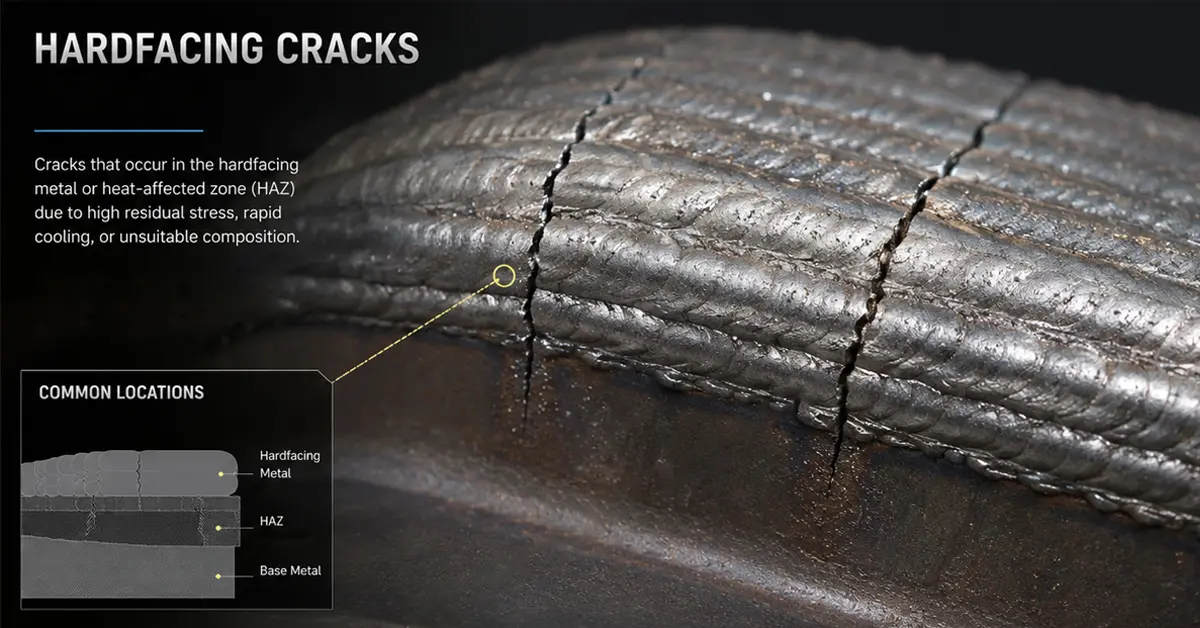
"In industries such as oil & gas, petrochemical, power generation, mining, and marine engineering, industrial valves are constantly exposed to severe operating conditions including: High pressure, extreme temperatures, corrosive media, abrasive wear, and sand erosion. We upgraded our manual welding line with the Duomu FB-200P system."
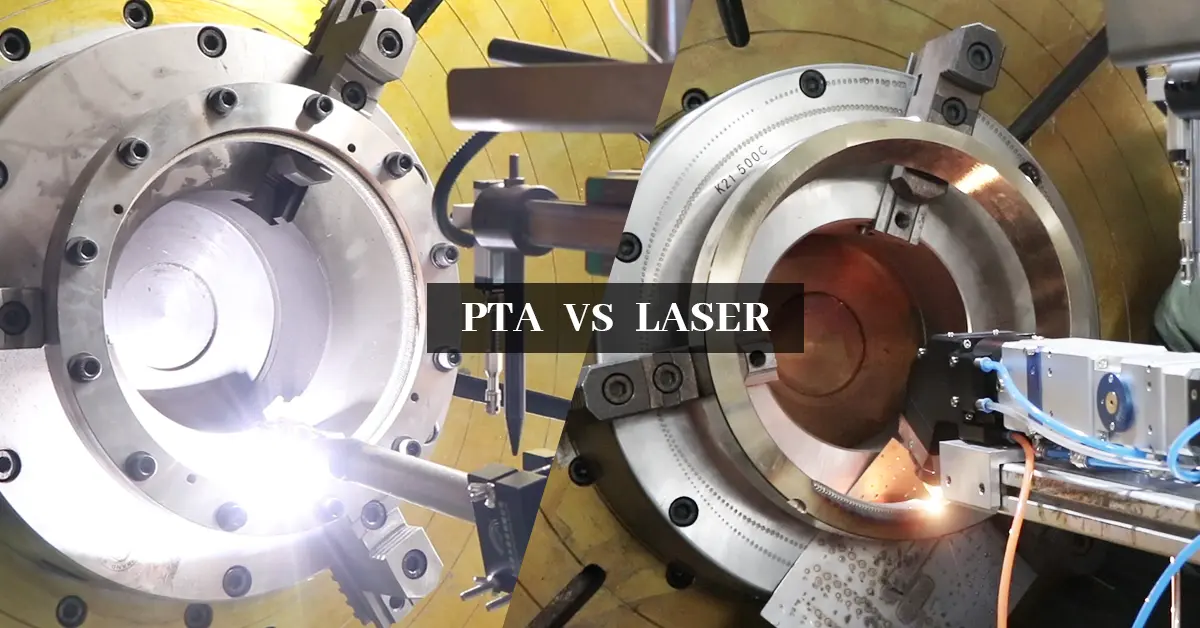
Our PTA and Laser cladding systems are trusted by leading manufacturing corporations and metallurgy institutes worldwide.








Explore answers to technical questions about Plasma Transferred Arc (PTA) welding, machinery configurations, and international delivery to Detroit.
Our PTA cladding systems achieve dilution rates between 3% and 7% in a single pass. This ensures that the weld overlay retains its pure properties (e.g. hardness and wear resistance) with minimal mixing from the underlying base metal.
Laser Cladding uses a concentrated laser beam, providing low heat input and an exceptionally thin heat affected zone (HAZ), which is ideal for thin-walled or high-tolerance components. PTA welding utilizes a plasma arc, yielding higher deposition rates (often exceeding 5-6 kg/hr) and thicker coatings in a single pass, which is more cost-effective for large components like mining picks, stamping dies, and industrial valves.
Our systems are designed to process a wide range of metal powders, including cobalt-base alloys (Stellite series), nickel-base alloys (Colmonoy series), iron-base alloys, and tungsten carbide composites (WC-Ni/Co) for extreme abrasion resistance.
Yes. Shanghai Duomu provides intelligent robotic integration services. Our PTA cladding torches and control setups are fully compatible with mainstream robotic platforms (such as KUKA, FANUC, and ABB) for 3D trajectory surface cladding.
For custom systems, manufacturing takes approximately 30 to 45 days, followed by sea freight transit to Detroit terminals (usually 25 to 30 days). All equipment is secured in seaworthy wooden packaging with anti-rust treatments, complete with CE compliance documentation and operation manuals.
Get in touch with our design engineers for a custom machine layout proposal and a detailed quotation tailored for your Detroit-based facility.
Send Inquiry Now Duomu
Duomu