Discover our flagship industrial-grade cladding systems engineered to reduce material degradation, extend operational lifespan, and significantly lower maintenance costs under severe heavy industry environments.
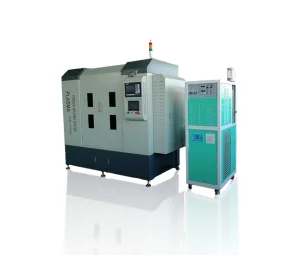
High-efficiency surfacing system designed for mining pick restoration in Katowice.
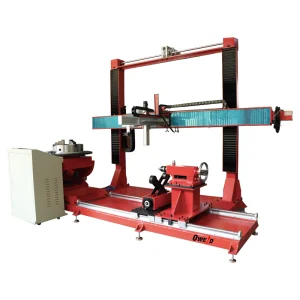
Massive double-column structure optimized for large-scale structural parts in Gdansk shipyards.
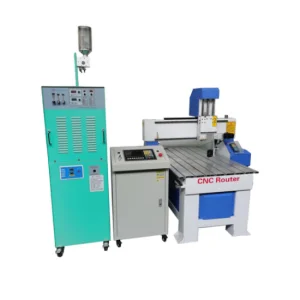
Multi-axis planar surfacing solution tailored for wear-resistant steel plate cladding.
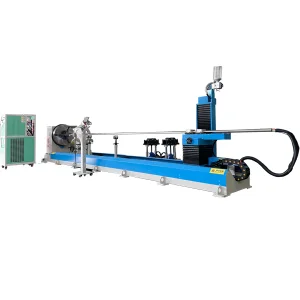
Specialized bore cladding torch setup for chemical extruder barrel repair in Wroclaw.
Poland has solidified its position as Central Europe’s manufacturing powerhouse. From the heavy mining belts of Silesia to the maritime engineering hubs of Gdańsk, and the chemical corridors around Płock, Polish industries demand rugged components that can withstand extreme mechanical stress, intense abrasion, and corrosive environments.
Traditional welding processes often fall short when dealing with components that undergo heavy friction. This is where Plasma Transferred Arc (PTA) welding comes in. Offering an exceptionally low dilution rate, minimal heat-affected zones (HAZ), and a metallurgical bond that far outlasts mechanical coatings, PTA hardfacing has become the system of choice for maintenance, repair, and overhaul (MRO) professionals across Poland.
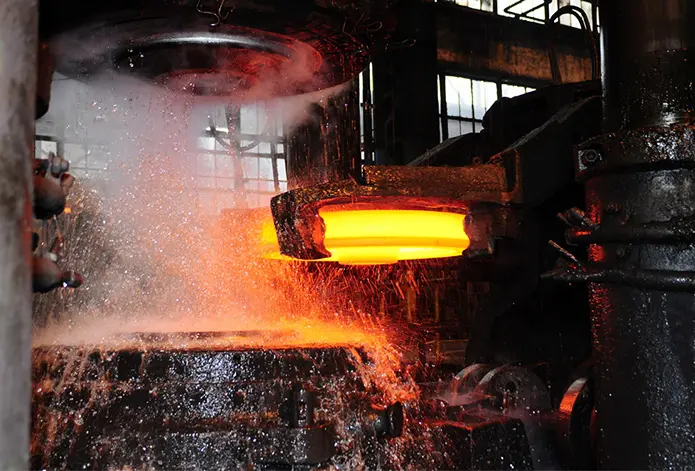
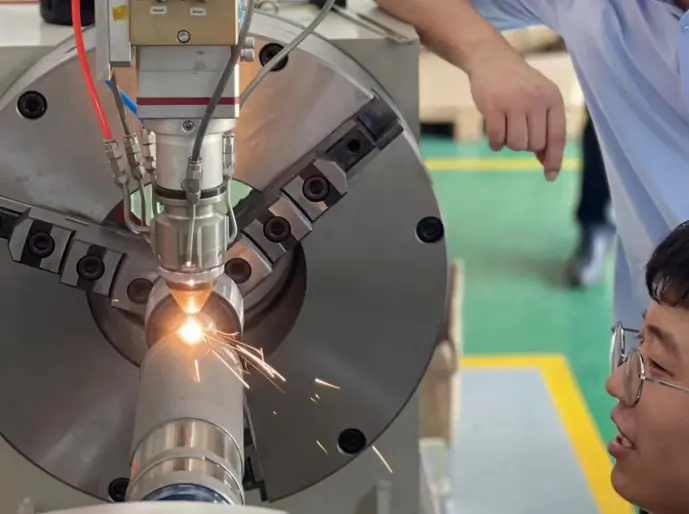
Our dedicated R&D facility focuses on pushing the limits of thermal surfacing. By integrating high-frequency arc stabilization, closed-loop powder feeding, and PLC automation, we manufacture equipment capable of continuous, heavy-duty cycles. Our machinery is developed to meet the strict demands of European safety standards (CE compliance) and to integrate seamlessly with standard factory automation lines (Siemens, Fanuc, and Kuka protocols).
Whether it is managing the dilution rate of expensive Stellite powders or optimizing the travel speed of a 6-axis manipulator positioner, our technical department provides comprehensive industrial equipment solutions that help maximize material yield and throughput.
Get in TouchYears of R&D Excellence
Global Industrial Markets Served
Low Dilution Rate Standards
CE & ISO 9001 Compliant
From subsurface mining installations to aerospace flight components, our PTA and laser cladding systems serve critical industrial niches around the globe.



Shanghai Duomu has established itself as an international manufacturer and exporter of automated PTA cladding and laser cladding machinery. Combining high-level technical expertise with a customer-centric support structure, we serve machinery rebuilding complexes, valve manufacturers, and mineral processing sites worldwide.
We believe in establishing strong technical ties with our European partners. Our systems are configured to support the requirements of highly demanding regulatory markets, offering extensive safety enclosures, localized HMI languages (including Polish and English), and precise process control instrumentation.
Read More About Our Technology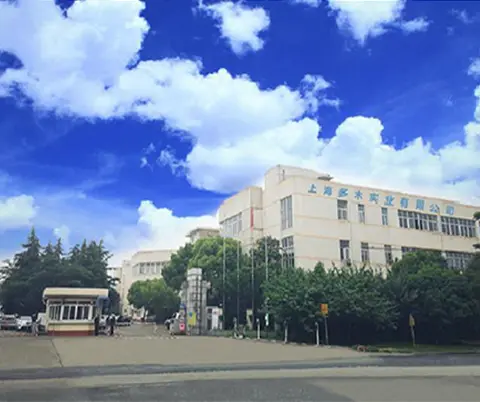
Custom-engineered configurations configured for specialized components including wear plates, screw flight edges, valve gates, and hydraulic rod shafts.
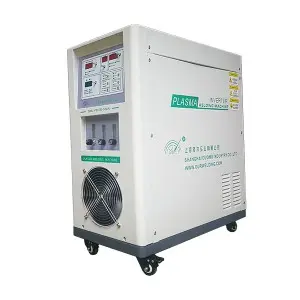
Precision micro-cladding option for small valve components and sharp edges.
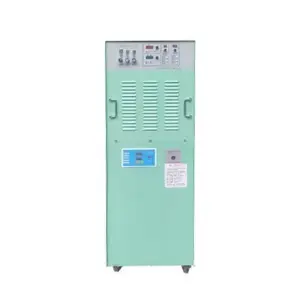
Combined setup supporting powder PTA, wire feed, and TIG modes.
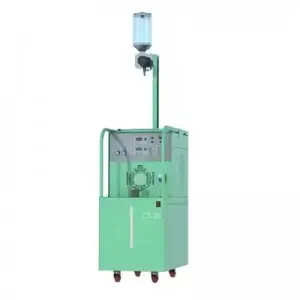
Built for continuous duty cycles on heavy mining and agricultural tools.
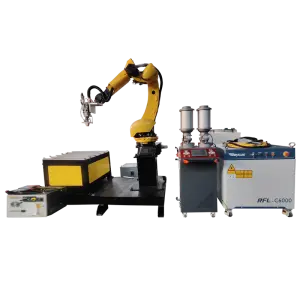
Ultra-precise laser cladding targeting power generation turbine blades.
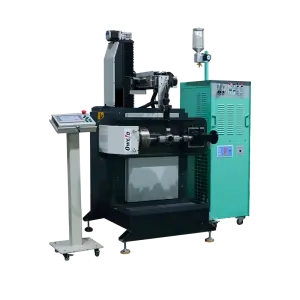
Dedicated system for hardfacing industrial ball valves against corrosive wear.
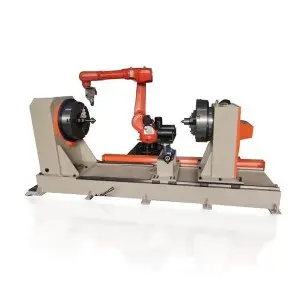
Flexible robotic arm designed for local laser heat treatment and hardening.
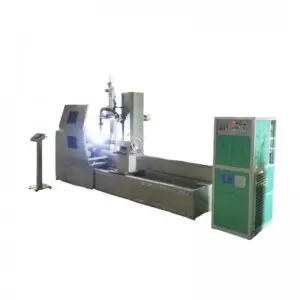
High-precision cladding system specifically built for hydraulic support cylinders.
As industrial automation scales up in the Polish market, procurement teams are comparing thermal surfacing options to optimize cost-per-part ratios. Understanding the technical divergence between PTA and High-Speed Laser Cladding is vital for selecting the appropriate production system.
One of the primary parameters for evaluating cladded layers is dilution rate—the amount of base material that melts and mixes into the protective alloy coating. While standard MIG/TIG welding results in a dilution of 15% to 30%, PTA technology restricts dilution to less than 5%, and Laser Cladding reaches less than 2%.
By utilizing our PTA machines, Polish factories can achieve structural hardness using a single layer of cobalt or nickel-based alloy, significantly saving on expensive powder consumables.
The roadmap for surfacing technologies involves integration with vision-based AI. We are developing smart tracking systems that adaptively change power output and powder feed rate on the fly, compensating for micro-geometric irregularities on used mechanical parts. This eliminates human error and guarantees consistent deposition quality.
| Metric | PTA Surfacing | Laser Cladding |
|---|---|---|
| Metallurgical Bond | Excellent (Fused) | Excellent (Fused) |
| Dilution Rate | 3% - 8% | 1% - 3% |
| Deposition Rate | High (up to 6kg/h) | Medium (1-3kg/h) |
| Equipment Cost | Economical | High |
Explore our complete catalog of industrial PTA systems, robotic positioners, and dedicated vertical and horizontal cladding units.
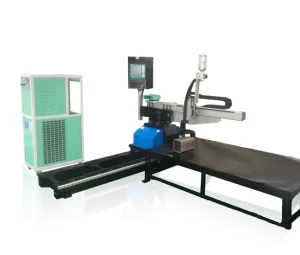
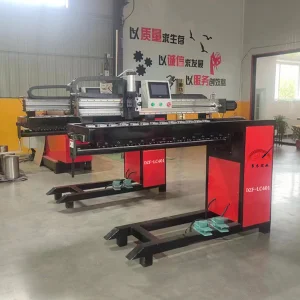
Cantilever configuration ideal for broad flat plates and large structural machinery parts.
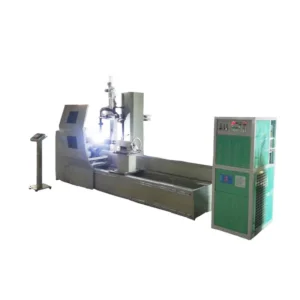
Rotational tooling setup designed for hydraulic support cylinders in mining applications.
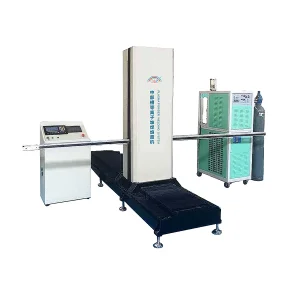
Heavy conveyor middle groove cladding, offering high throughput and thick deposition.
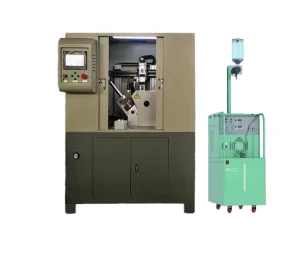
Ultra-compact setup optimized for mass production of medium-pressure fluid control valves.
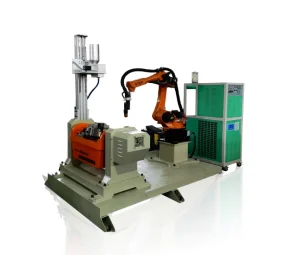
Multi-axis articulated robot system offering flexibility for complex 3D profiles.
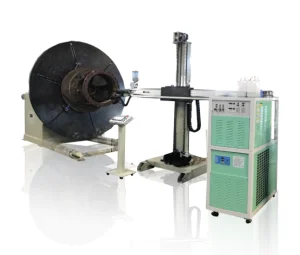
Robotic workcell positioning system assisting automated PTA guns during continuous turns.
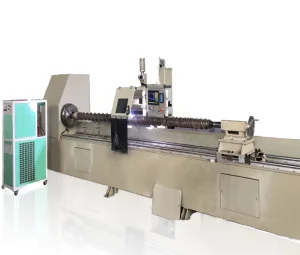
Specialized spiral flight tracking system for plastic processing extruders.
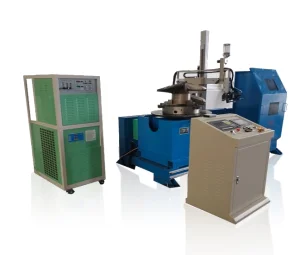
Tough structural cladding for brick making machines dealing with high wear soils.
These specialized components and automatic platforms are engineered to solve specific surface friction issues in valves, extrusion components, and long straight seams.
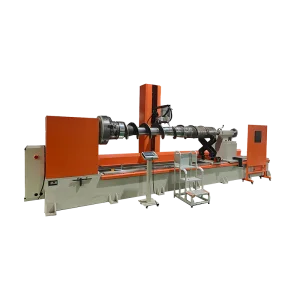
Configured specifically for long screw shafts demanding uniform overlay coatings.
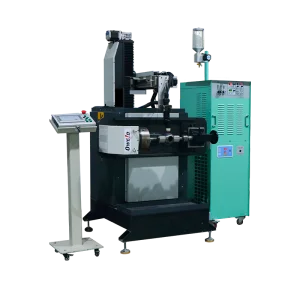
Enables complete automation of gas tight metal-to-metal valve seating surfaces.
Perfect for longitudinal barrel joints, ensuring gas-tight sealing and minimal warpage.
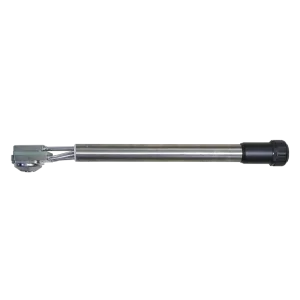
Engineered for deep inner-diameter hardfacing with efficient internal cooling passages.
Read deep-dive guides from our engineering team regarding dilution rates, valve surfacing, and screw conveyor maintenance.
"The PTA Welding Valve Application Guide is not just a process choice for valve manufacturers facing high wear, high corrosion, and high-temperature erosion working conditions, but also a key path to improving product competitiveness. As industries such as petrochemical, power generation, and marine engineering demand more..."
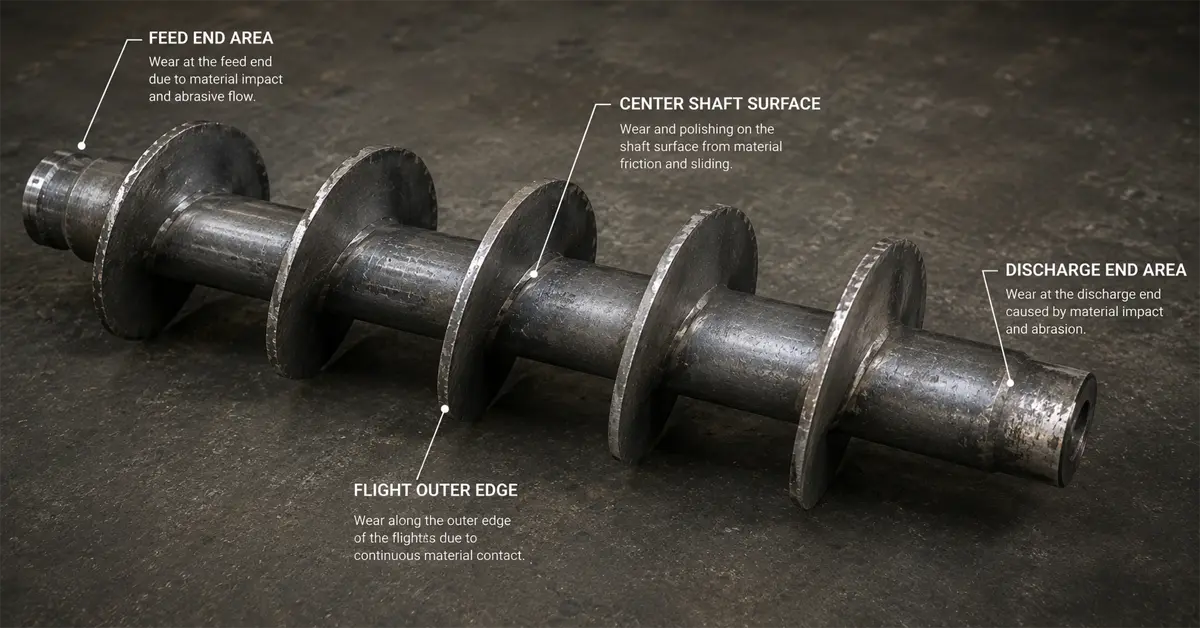
"In industries such as mining, cement, power generation, steelmaking, chemical processing, and biomass energy, screw conveyors are often regarded as auxiliary equipment. However, maintenance data shows that they are among the most frequent causes of unplanned production downtime due to wear..."
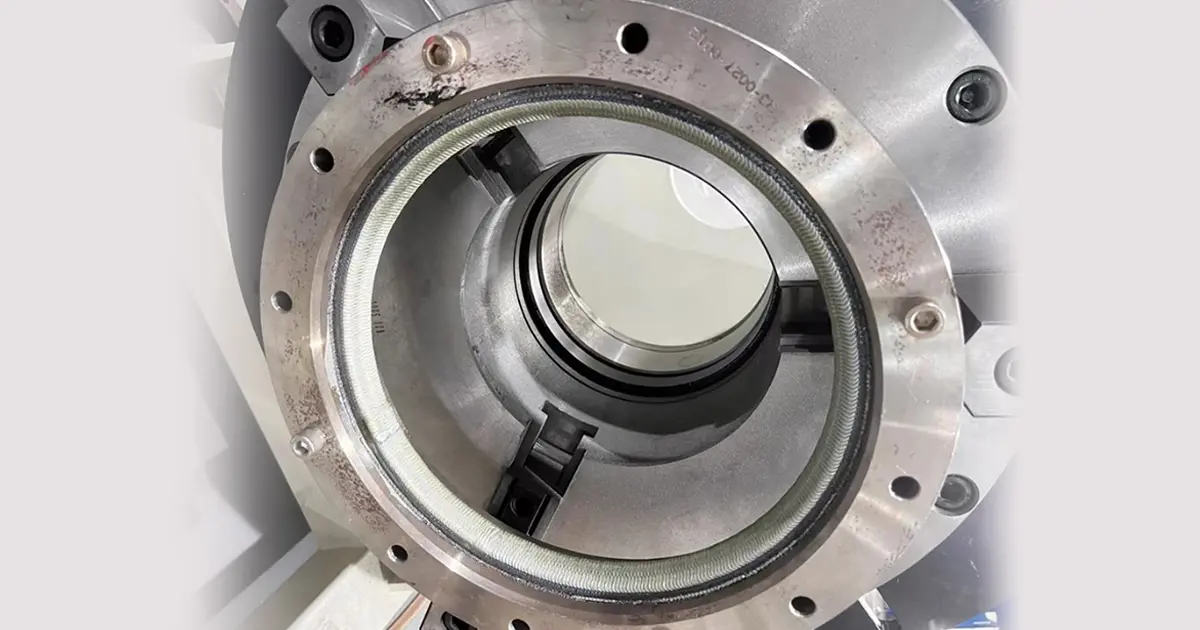
"In Plasma Transferred Arc (PTA) hardfacing, achieving a high-quality overlay is not only about selecting the right alloy powder or optimizing welding parameters. One of the most critical factors that directly affects overlay performance is the dilution rate. Whether you use cobalt or nickel alloys..."
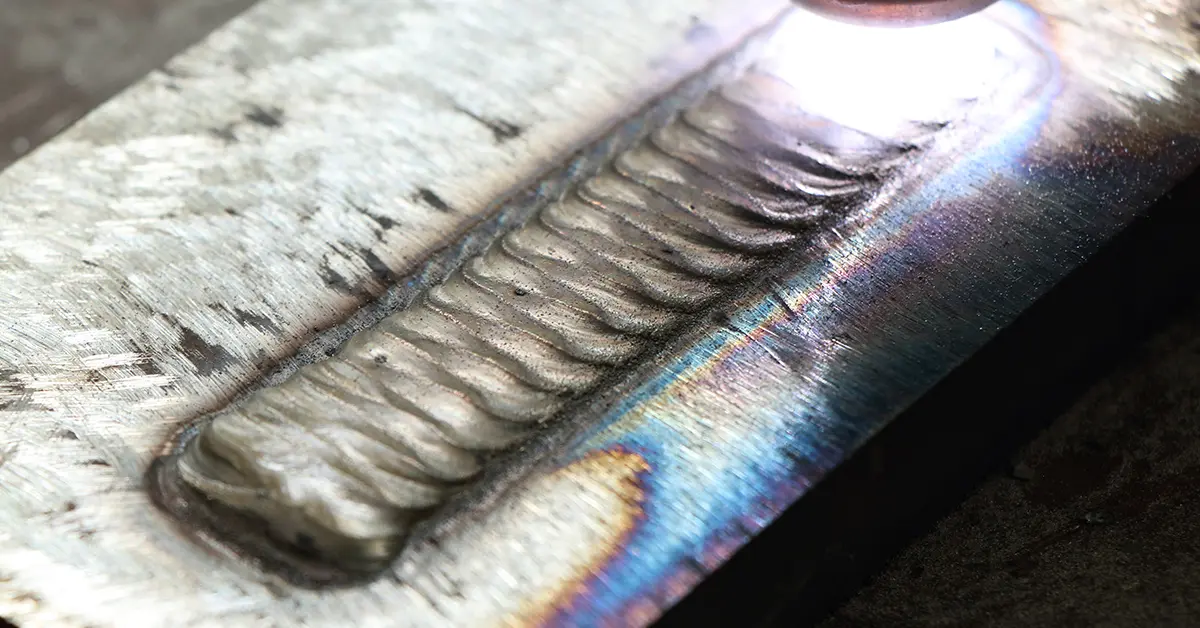
"In industries such as Oil & Gas, Mining, Power Generation, Cement, and Heavy Equipment Manufacturing, hardfacing is no longer just a repair process. It has become a critical technology directly related to equipment lifespan, downtime costs, maintenance frequency, and overall process sustainability..."
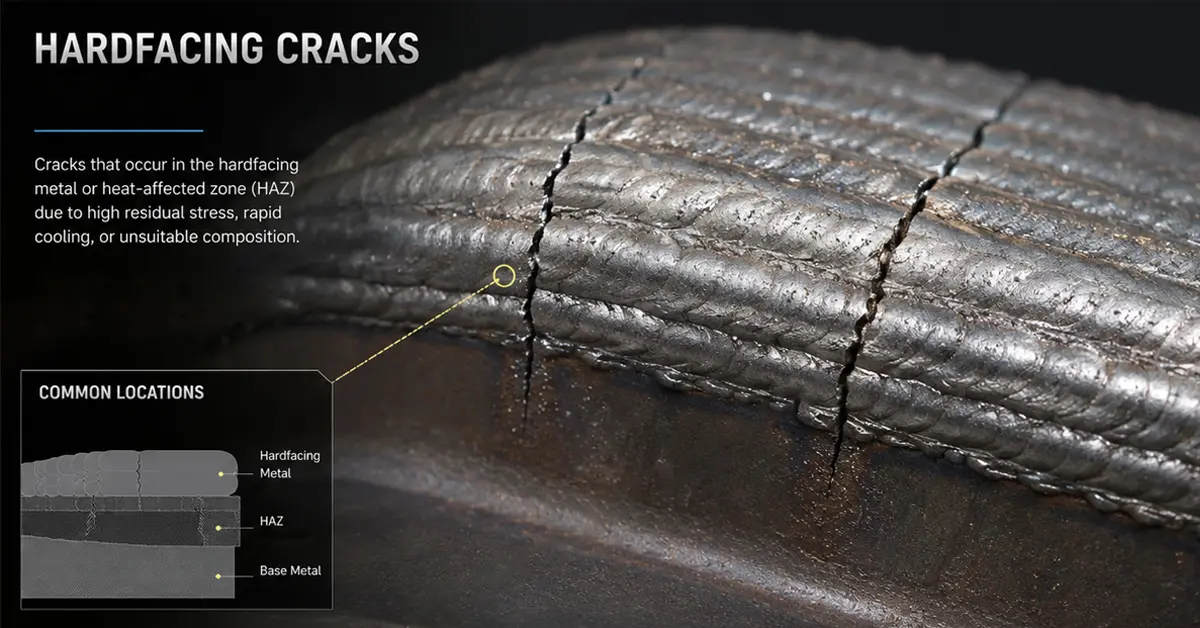
"In industries such as oil & gas, petrochemical, power generation, mining, and marine engineering, industrial valves are constantly exposed to severe operating conditions including high pressure, extreme temperatures, corrosive media, abrasive wear, sand erosion, and cavitation..."
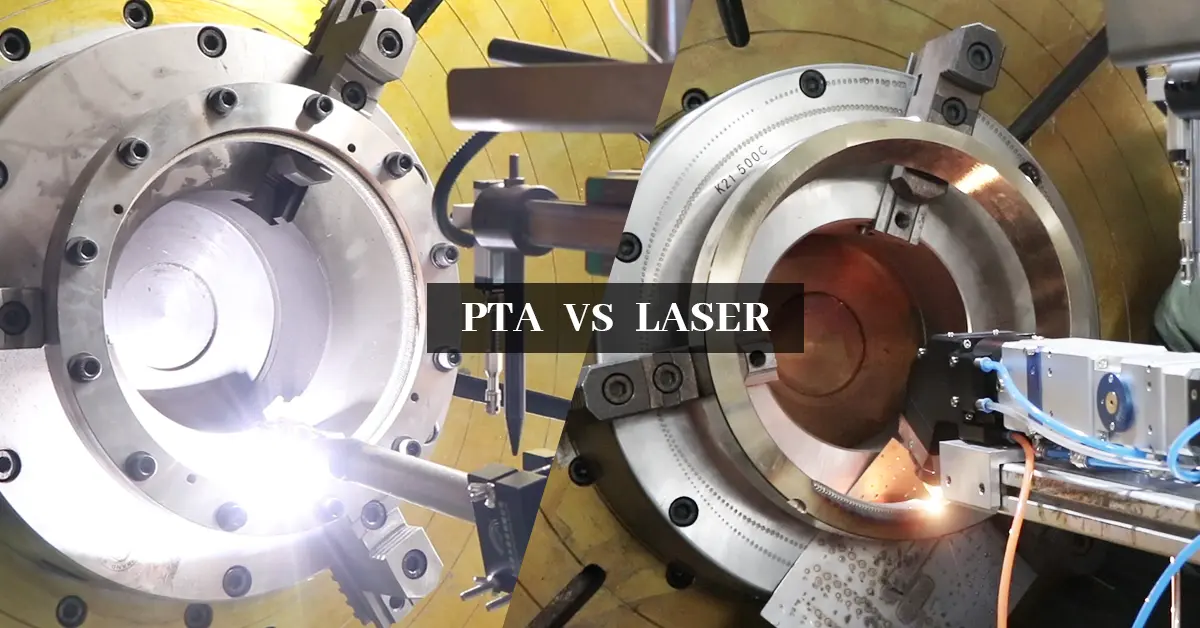
Common questions answered by our engineering and metallurgy application team.
Unlike thermal spraying, which relies on a mechanical bond and is susceptible to spalling, PTA welding creates a complete metallurgical fusion bond with the base metal. This ensures that the cladded layer cannot peel or flake off, even under intense impact or high cyclic pressure conditions commonly found in mining machinery.
We provide online and on-site support to our Polish and European customers. Our systems include remote industrial diagnostic access, allowing our engineers to adjust settings and troubleshoot PLC issues directly. We also assist with the configuration of first-time alloy programs (e.g., Stellite, Tungsten Carbide matrixes).
Yes, our gas-fused powder feeder is designed to process a wide range of commercially available cladding powders, including nickel-based, cobalt-based (such as Stellite 6, 12, and 21), iron-based, and tungsten carbide composite powders (FTC/CTC) of varying mesh sizes.
All machines intended for the European market are constructed in accordance with European Machinery Directives, containing necessary electromagnetic safety shielding, isolated low-voltage control circuits, and integrated e-stop integration circuits.







 Duomu
Duomu