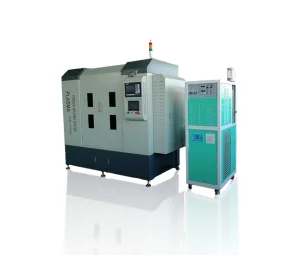
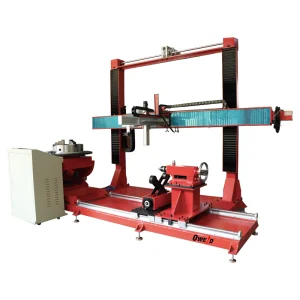
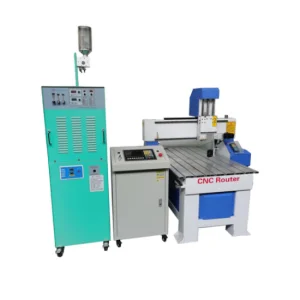
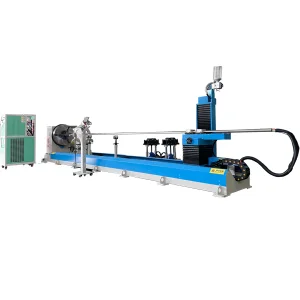
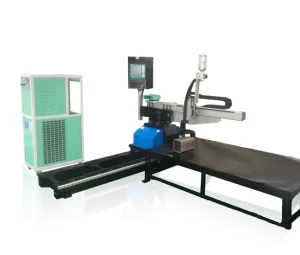
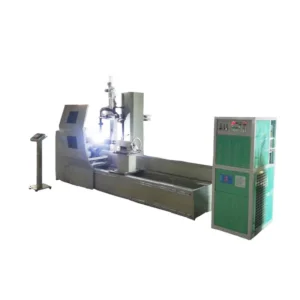
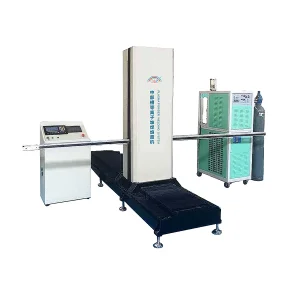
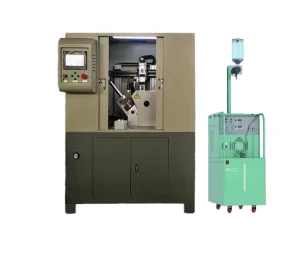
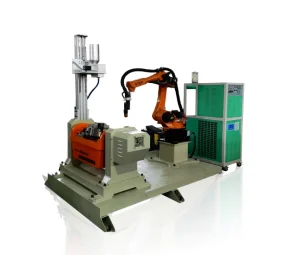
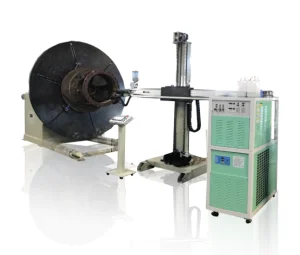
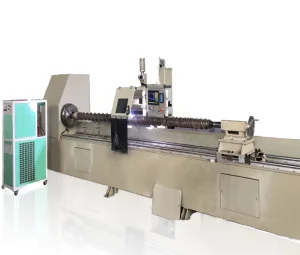
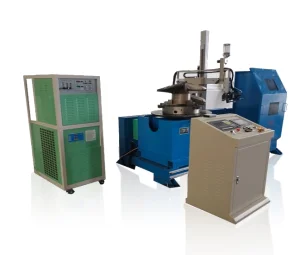
Explore our state-of-the-art automatic PTA systems and gantry configurations configured for Montenegrin heavy industries, ensuring prolonged life cycles for industrial parts.
As Montenegro aligns itself with EU-level industry standards and modernizes its manufacturing, energy, and extraction operations, the demand for precision metallurgy technology is surging. Key industrial hubs, from the steel manufacturing facilities of Nikšić to the complex mechanical operations in Podgorica and the maritime installations in Bijela and Bar, require cutting-edge solutions to mitigate machinery wear and tear.
Extreme abrasion, thermal degradation, and corrosive stress are persistent operational challenges in Montenegro’s heavy sectors. The extraction of red bauxite in the Nikšić region, coupled with the heavy mechanical processes of the Pljevlja Coal Mine and Power Plant, places enormous loads on mining equipment, excavators, and conveyor systems. Through Plasma Transferred Arc (PTA) welding, businesses can rebuild worn components and deposit superior metal matrices on key wear areas, achieving a quantum leap in plant lifecycle efficiency.
Traditional manual welding procedures fall short of the strict tolerances, low dilution requirements, and high deposit rates required for modern efficiency. By importing automated PTA cladding technologies, Montenegrin industrial stakeholders can transition from reactive repair methodologies to predictive maintenance models, dramatically reducing unplanned downtime and lowering operational expenditures (OPEX).
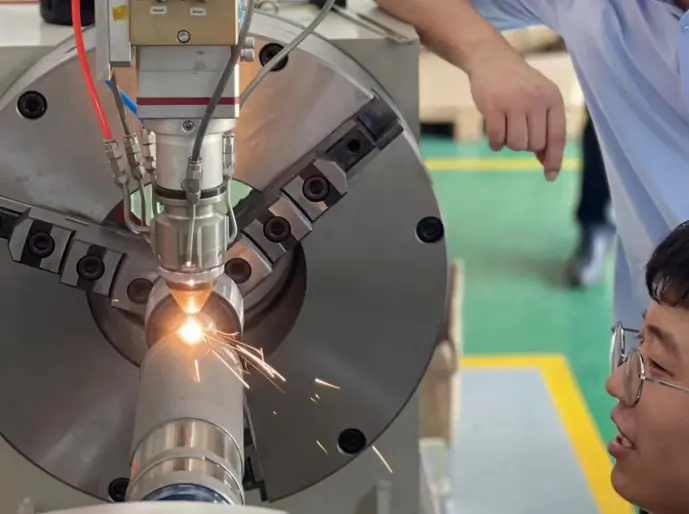
Plasma Transferred Arc (PTA) welding stands out as a highly sophisticated thermal surfacing process. By utilizing a high-density, collimated plasma arc, the system fuses alloy powders (such as cobalt, nickel, and iron-based superalloys) directly onto the substrate's outer layers. Unlike conventional manual metal arc (MMA) or flux-cored arc welding (FCAW), PTA ensures structural integrity at the atomic level, limiting thermal distortion.
Below is a technical comparison indicating why global buyers and Montenegrin manufacturers are favoring PTA over other wear-protection processes:
| Performance Metric | Traditional FCAW / MMA | Laser Cladding (LC) | Plasma Transferred Arc (PTA) |
|---|---|---|---|
| Bonding Integrity | Moderate Mechanical & Metallurgical | High Metallurgical Bond | Excellent Metallurgical Bond (Fusion) |
| Cladding Dilution Rate | High (15% to 30%) | Very Low (1% to 5%) | Low and Controlled (3% to 10%) |
| Deposition Rate | High (Poor Quality control) | Low to Moderate (1 - 3 kg/hr) | High (2 - 8 kg/hr) |
| Heat Affected Zone (HAZ) | Extensive (High distortion risk) | Minimal | Narrow (Optimized thermal control) |
| Equipment Capital Cost | Low | High / Capital Intensive | Moderate / Outstanding ROI |
The controlled dilution rate of PTA welding allows operators to achieve the full hardness and wear properties of the surfacing alloy in a single pass. In maritime shipping channels or chemical processing units along the Adriatic coast, where saltwater corrosion compounds mechanical stress, single-pass integrity is vital to prevent premature delamination or stress-corrosion cracking.
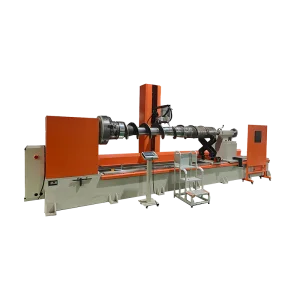
Customized systems designed to deliver repeatable cladding profiles for complex geometries, hydraulic rams, industrial valves, and mining machinery components.
PTA welding is only as effective as the metallurgy strategy driving it. We work closely with our partners in Montenegro to formulate specialized powder matrices tailored for their unique operating environments:
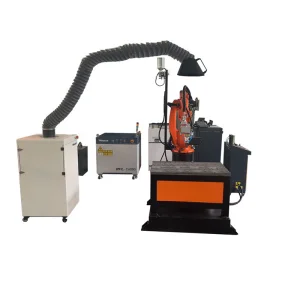
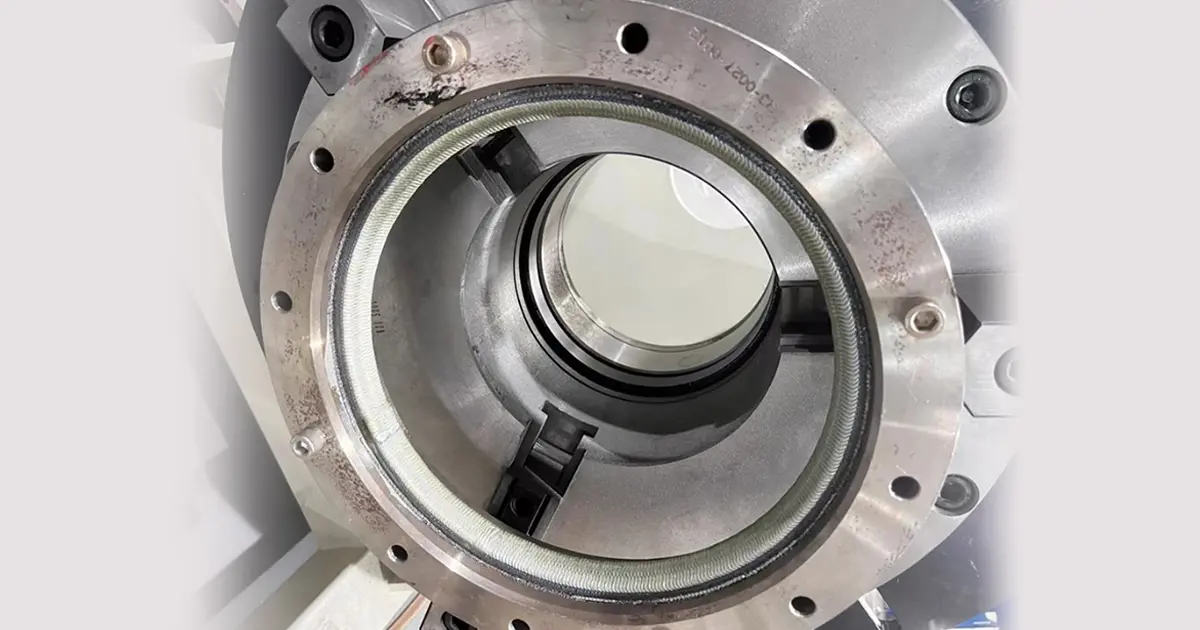
Our dedicated R&D division constructs customized mechanical configurations, including robotic arms, multi-axis positioners, and internal bore cladding fixtures, allowing operations to achieve seamless cladding on both flat surfaces and inner bores.
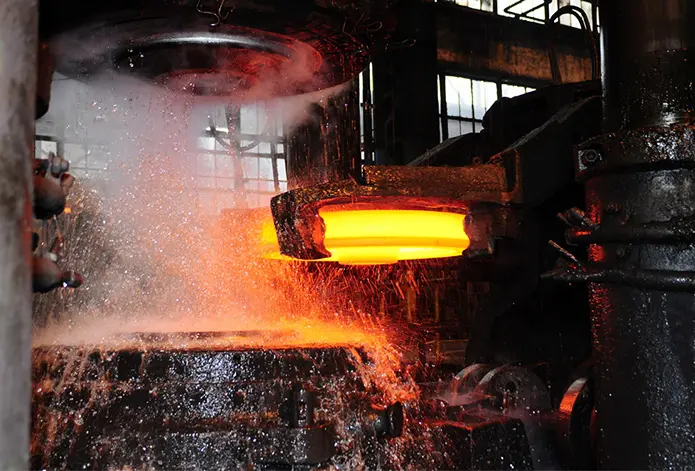
At present, our products have penetrated into many fields such as aerospace military industry, nuclear power, petrochemical industry, coal mines, metallurgy and forging, agriculture, water conservancy and electric power, etc.



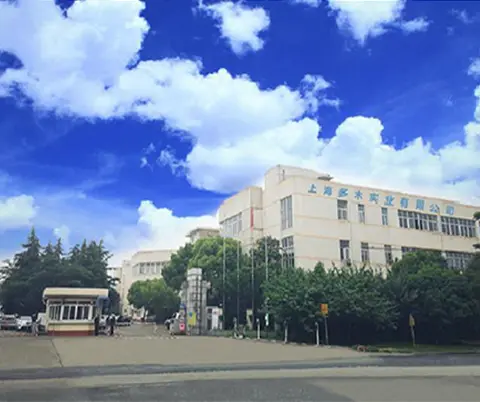
Shanghai Duomu has been a leading manufacturer and exporter of PTA cladding machines and Laser cladding machines for more than ten years with a strong technical background. We maintain an independent R&D team that develops, produces, and sells plasma cladding machine equipment. Our welding systems offer stable performance and support efficient long-term operations.
In addition, our laser cladding equipment can effectively support large-scale remanufacturing projects. We have mature technological capabilities to provide complete sets of industrial equipment solutions, offering customized systems, automatic laser cladding units, automatic plasma cladding tools, and intelligent robotic designs tailored for hydraulic rods, cutting picks, valves, and mining conveyors.
Our systems are evaluated and validated across severe industrial applications globally. Read the technical feedback regarding hardfacing and component restoration:
"The PTA Welding Valve Application Guide is not just a process choice for valve manufacturers facing high wear, high corrosion, and high-temperature erosion working conditions, but also a key path to improving product competitiveness. As industries such as petrochemical and water management expand in the Balkans, this process is essential."
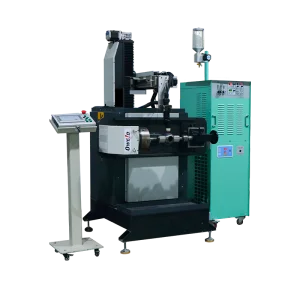
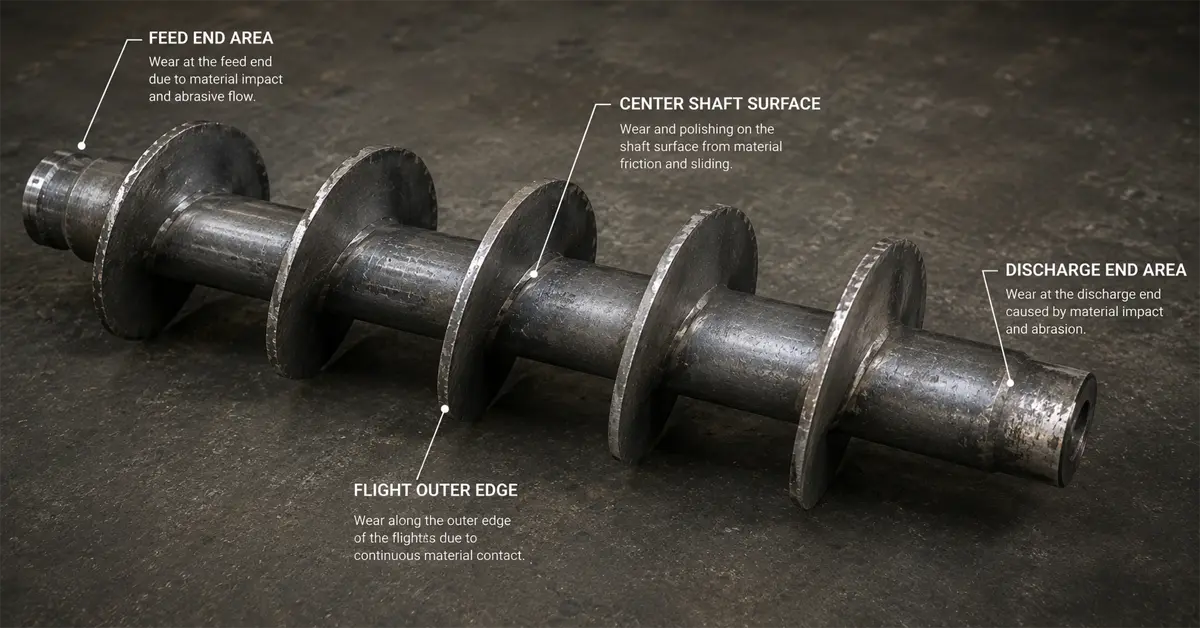
"In industries such as mining, cement, power generation, steelmaking, chemical processing, and biomass energy, screw conveyors are often regarded as auxiliary equipment. However, maintenance data shows that they are among the most frequent causes of unplanned production downtime. Automated PTA screw cladding solved this problem."
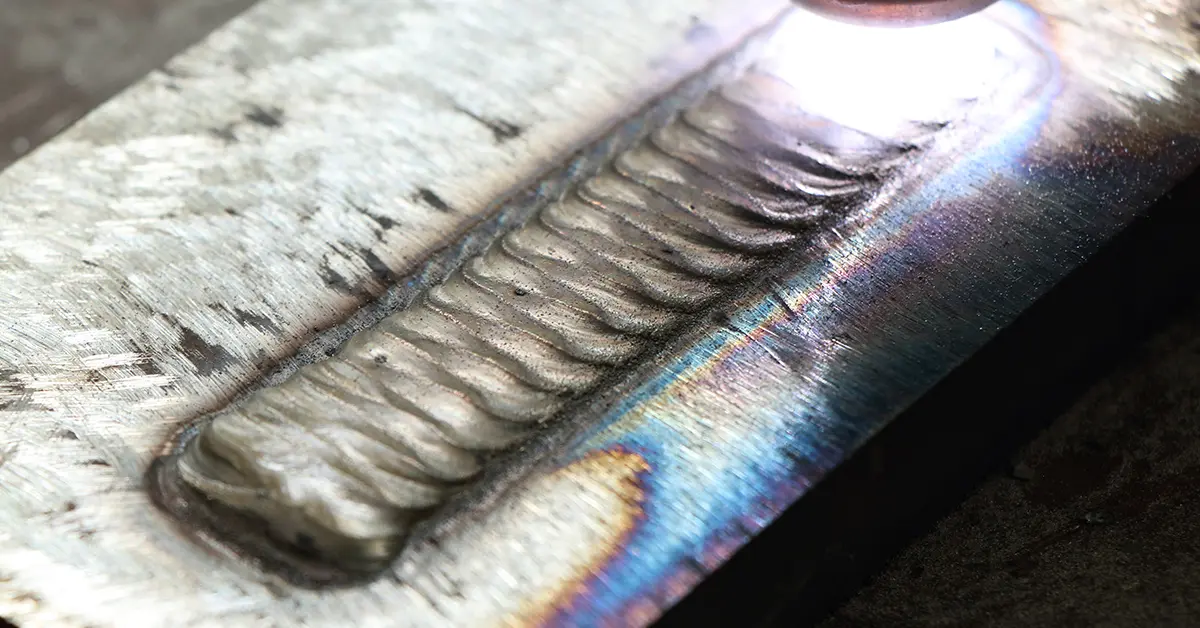
"In Plasma Transferred Arc (PTA) hardfacing, achieving a high-quality overlay is not only about selecting the right alloy powder or optimizing welding parameters. One of the most critical factors that directly affects overlay performance is the dilution rate. Shanghai Duomu machines gave us control over this metric."
For manufacturers in Montenegro, importing equipment requires full compliance with European norms. Our PTA and Laser Cladding systems are fully certified with CE marking, and comply with EU health, safety, and environmental protection standards. We align our manufacturing processes to meet ISO 3834 (Quality requirements for fusion welding of metallic materials) and EN 1090 structural integrity standards.
Our localized support system features:
The field of surface engineering is advancing rapidly, and our technical roadmap incorporates next-generation advancements to ensure your investment remains modern for years to come. In 2024 and beyond, we are integrating AI-driven defect detection models into our automated robot systems. These systems monitor arc voltage and temperature profiles dynamically to adjust powder feed rates and travel speeds in real-time, preventing defects like porosity or micro-cracks before they occur.
Additionally, we are developing ultra-high-speed PTA (EHLA-PTA equivalents) configurations to provide deposition velocities that approach those of laser cladding, combining the metallurgical qualities of PTA with the speeds of laser processing.
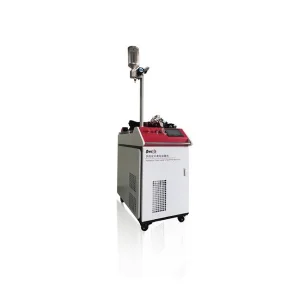
Heavy manufacturing requires reliable and customizable gear. Below are our robust robotic systems, screw builders, valve welders, and portable units for Montenegro.
A: PTA cladding uses a concentrated plasma arc that provides precise temperature management. Dilution rates are kept between 3% to 10% compared to 20% to 30% for manual processes. This preserves the properties of expensive alloys like Stellite in a single layer, saving material costs and reducing thermal distortion.
A: Yes, our DSL-LC401 system and custom internal bore torches are specifically designed for deep inner-diameter hardfacing. These tools apply wear-resistant layers inside cylinders, extruder barrels, and pipe components.
A: We provide complete technical packages including remote diagnostic setup, video installation tutorials, and preset parameter libraries. If requested, our field engineers can travel to your facility in Montenegro for on-site commissioning, integration, and operator training.
A: Our systems are compatible with industrial-grade Argon for plasma and shielding gases. They process a wide range of commercially available powder sizes (usually 50–150 microns), including nickel-base, cobalt-base, iron-base, and tungsten carbide blended powders.
A: PTA hardfacing supports remanufacturing. Rebuilding the surface of worn components consumes up to 80% less energy and raw material compared to manufacturing a new part from scratch. This supports circular economy goals and helps lower Scope 3 greenhouse gas emissions.
Contact our technical department today for engineering consulting, custom machinery specifications, or competitive pricing plans.
Send Inquiry Now Duomu
Duomu