Optimized automation systems designed to deliver low dilution, high-integrity wear coatings for heavy industrial and marine engineering components in Kiribati.
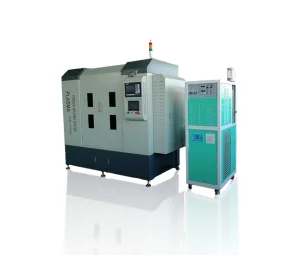
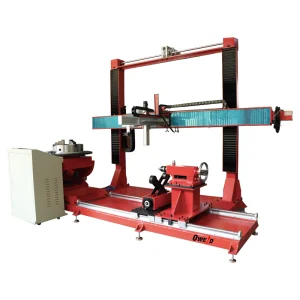
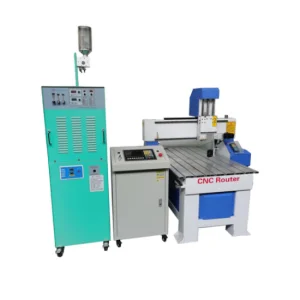
Kiribati, located in the central Pacific Ocean, faces distinct geographical and environmental hurdles. Operating marine ports, shipping operations, infrastructure projects, and processing facilities in this high-salinity, humid equatorial climate exposes machinery to severe corrosive forces and mechanical wear. Standard replacement parts carry exorbitant shipping costs and require weeks of transit time, significantly increasing downtime.
Integrating Plasma Transferred Arc (PTA) welding and cladding technology locally allows maritime operators, mechanical repair facilities, and public works sectors in Tarawa and throughout Kiribati to transition from a policy of replacement to one of surface remanufacturing. PTA cladding deposits metallurgical coatings that are wear-resistant, anti-corrosive, and impact-tolerant onto standard steels, increasing the operating life of key parts by up to 300%.
"Implementing PTA hardfacing in remote oceanic areas isn't just about repairs—it's a critical strategy to establish regional self-sufficiency, protect capital investments, and reduce overall supply chain emissions."
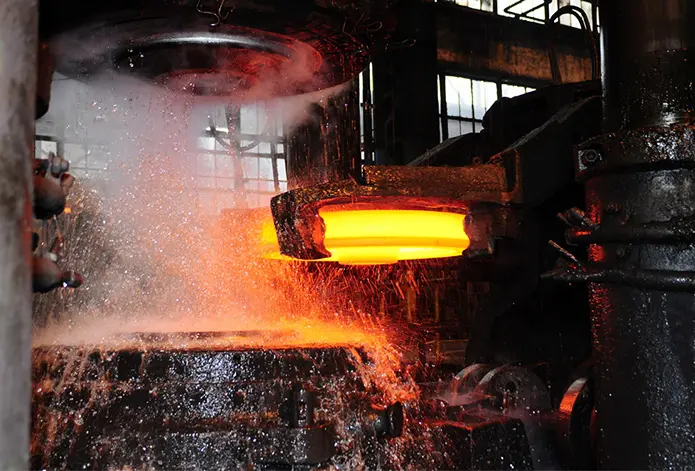
Why top engineers choose Plasma Transferred Arc (PTA) technology to resolve high-stress wear and extreme corrosion challenges.
| Performance Criteria | Conventional Arc Welding (SMAW/GMAW) | Laser Cladding Systems | Plasma Transferred Arc (PTA) |
|---|---|---|---|
| Dilution Rate | 15% - 30% (High base metal contamination) | < 5% (Extremely low) | 3% - 8% (Low, optimized chemistry) |
| Bonding Integrity | Metallurgical (Variable quality) | Metallurgical (Ultra-thin zone) | Metallurgical (High strength, zero peeling risk) |
| Powder Feed Deposition Rate | Moderate (Wire/electrode based) | Low to Moderate (1 - 4 kg/hr) | High (2 - 12 kg/hr, highly efficient) |
| Heat Affected Zone (HAZ) | Deep & Wide (Distortion risk) | Extremely Narrow (Min distortion) | Narrow & Controlled (Reduced structural tension) |
| Capital Cost / Maintenance | Low / Simple | Very High / Specialized | Balanced Investment / High Reliability |

Shanghai Duomu has operated as a leading designer, manufacturer, and exporter of PTA cladding systems and industrial Laser Cladding systems for more than ten years. Backed by solid technical expertise and an independent R&D department, we engineer solutions that perform under tough working conditions.
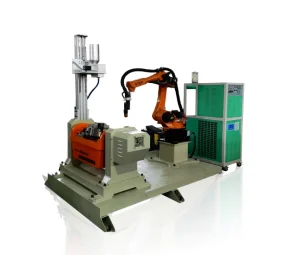
Our specialized product line supports remanufacturing operations for power generation, mining, metallurgy, valve manufacturing, and ocean cargo shipping lines. Whether you need standard automated machinery or a custom, robot-controlled cladding cell, we supply the hardware and process expertise required for your applications.
Consult Our Technical Team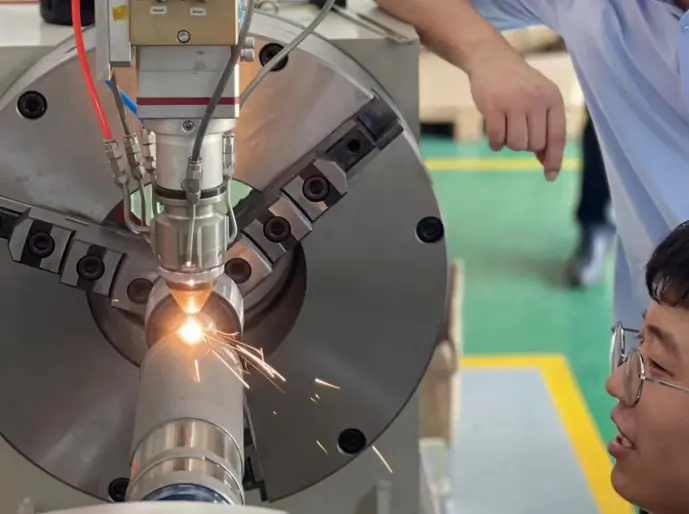
Our dedicated technical team designs, engineers, and tests all plasma cladding and surfacing systems in-house. By controlling the design of both power sources and powder feeders, we build welding machines that maintain stable arc parameters and deliver consistent performance during continuous operation.
In addition, our laser and plasma cladding systems support large-scale remanufacturing programs. We provide complete industrial equipment packages—including custom manipulators, positioners, and CNC controllers—to simplify setup and reduce startup times for our global clients.
Inquire About SystemsFrom agricultural processing to marine transport and energy generation, PTA cladding protects vital assets from wear and corrosion.



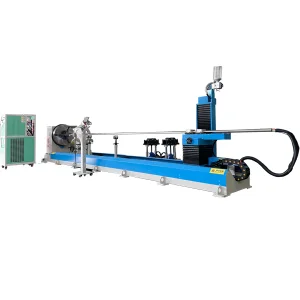
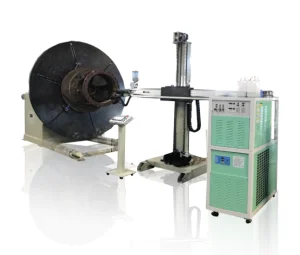
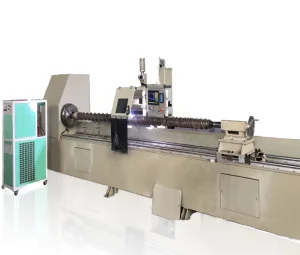
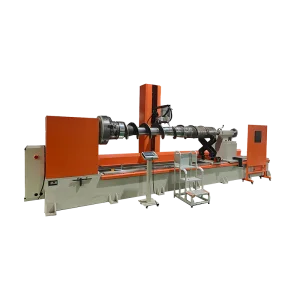
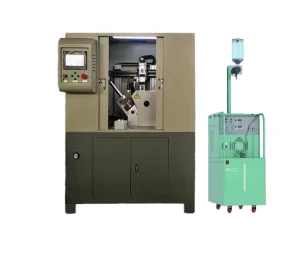
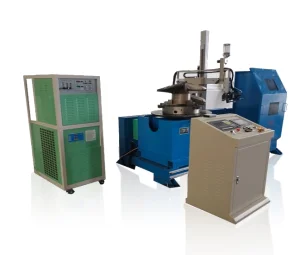
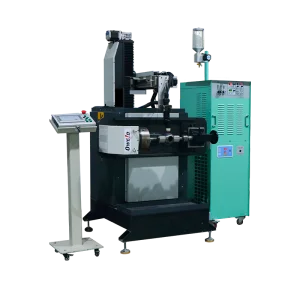
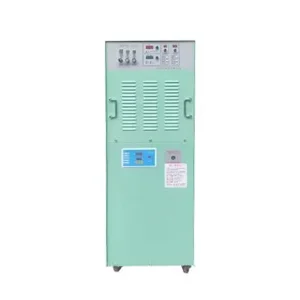
Select from our specialized line of automatic, robotic, and gantry-style plasma cladding systems, designed for high deposition rates and consistent overlay quality.
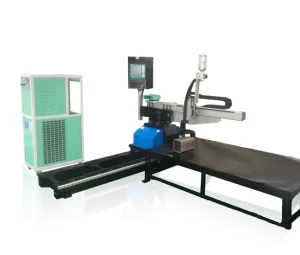
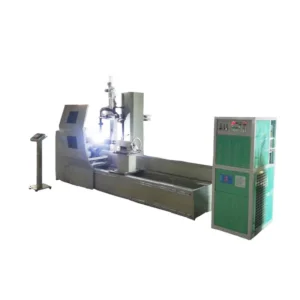
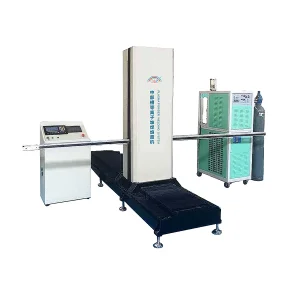
Technical analysis and real-world results from testing wear limits, dilution rates, and chemical bonding performance.
Industrial Valve Cladding Under Extreme Corrosive Pressures
"The PTA Welding Valve Application Guide details why valve manufacturers use PTA cladding to fight high wear, high corrosion, and erosion under thermal cycling. For petrochemical and high-pressure steam valves, depositing Cobalt-based alloys with a low dilution rate is critical to maintaining seal integrity and preventing corrosion-induced leaks."
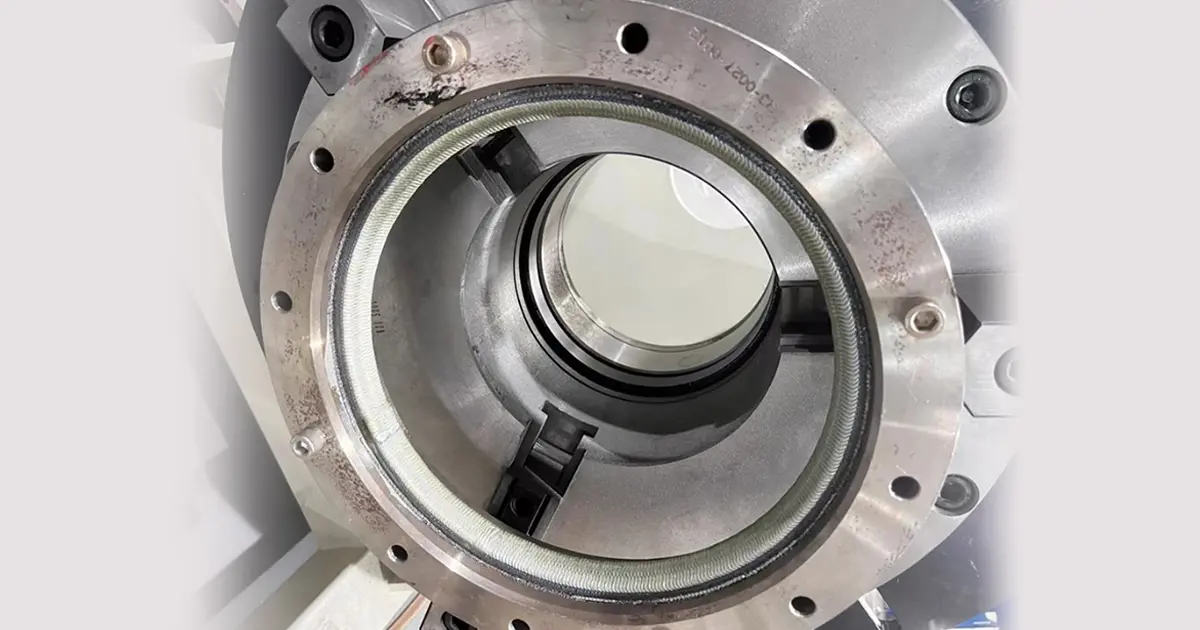 Valve Manufacturing Sector
Overcoming High-Wear Challenges in Screw Conveyor Feeders
"In processing industries such as cement, pulp & paper, power, and copra extraction, screw conveyors are vital feed components. Unplanned downtime due to flights wearing thin is a common issue. Hardfacing flights with tungsten carbide powder using automated PTA welding increases conveyor operating lifetime by up to four times compared to manual SMAW welding."
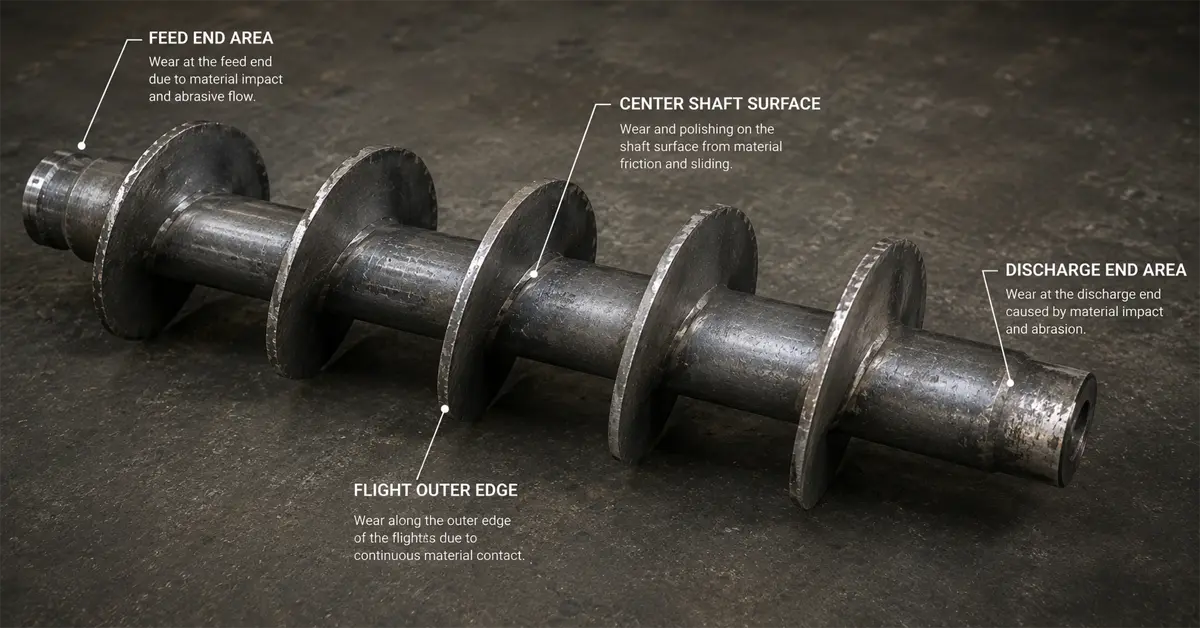 Bulk Handling Industries
The Dilution Rate Metric in Plasma Transferred Arc (PTA) Surfacing
"Achieving a quality hardfacing overlay is not just about using the correct powder or matching high-power parameters. Controlling the dilution rate is what prevents the base material from contaminating the chemistry of the deposit. Lower dilution rates allow cladding layers to reach their full hardness and corrosion resistance in a single pass."
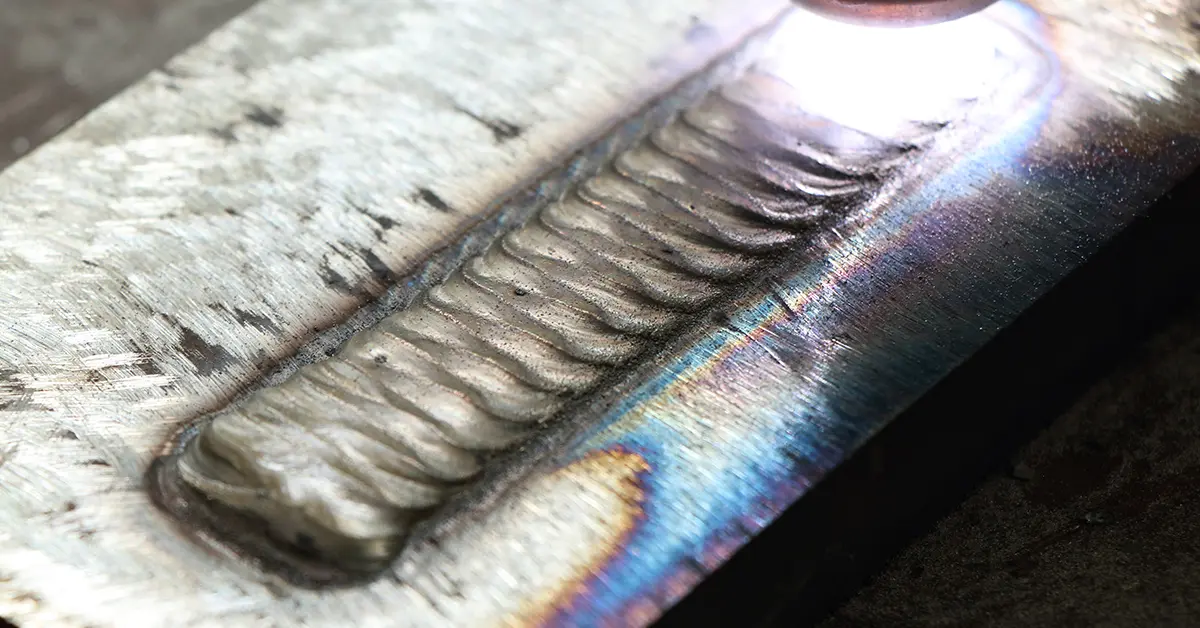 Metallurgical Laboratory Research
Technical and logistical insights for buyers, maintenance managers, and engineering teams.
Marine parts operating in high-salinity coastal areas require optimal surface metallurgy to resist corrosion and chloride-induced pitting. Traditional arc welding mixes up to 30% of the base metal into the overlay, diluting the concentrations of anti-corrosive elements like chromium, nickel, and cobalt. PTA cladding restricts dilution to 5%, allowing the protective alloys to perform as intended in a single deposit layer.
For port components exposed to sliding wear, impact, and saltwater spray, we recommend Cobalt-based alloys (e.g., Stellite 6 equivalents) for high-temperature corrosion and metal-to-metal wear, or Nickel-based alloys with Tungsten Carbide fractions (Ni-WC) where extreme sand abrasion is present.
We use high-grade electrical and pneumatic components inside our control units to ensure stability. Our testing protocols check arc stability, continuous powder flow consistency, and system cooling performance under load over extended run times before shipping.
Yes, our PTA systems feature programmable PLC interfaces. Operators can save, edit, and load specific profiles for arc current, gas flow rates, powder feed speeds, and carriage movement speed. This ensures repeatable overlay quality regardless of the operator's experience level.







Get in touch with our engineering team for system configurations, quote pricing, and customized cladding test inquiries. We deliver worldwide, including to Kiribati ports and regional worksites.
Send Inquiry Now Duomu
Duomu