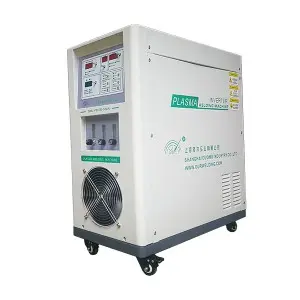
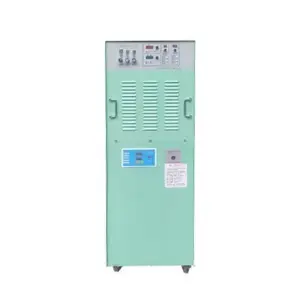
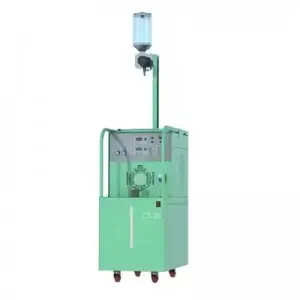
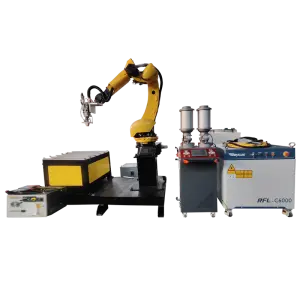
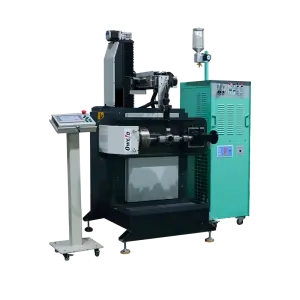
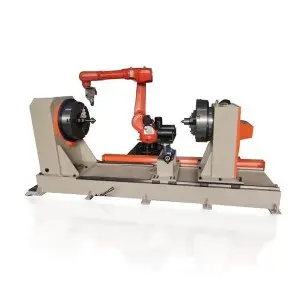
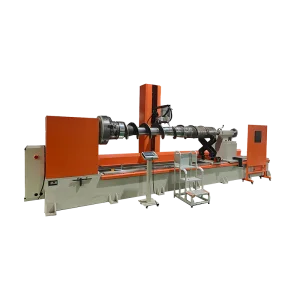
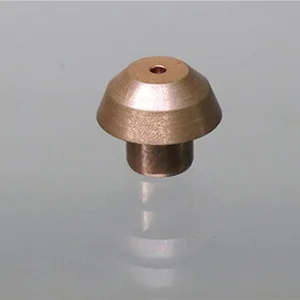
Advanced hardfacing machines designed to endure the demanding processing operations of Southeastern Brazil
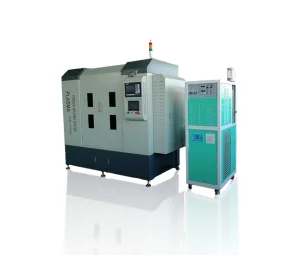
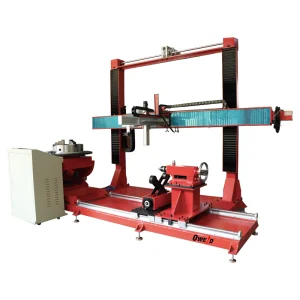
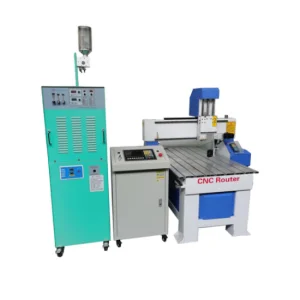
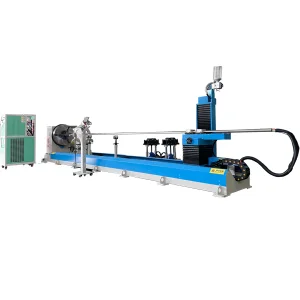
São Paulo stands as the economic core of Latin America, anchoring massive industrial operations ranging from sugar-energy ethanol plants in Ribeirão Preto to deep-sea petroleum extraction in the Santos Basin. Equipment in these operations faces extreme degradation mechanisms: severe abrasive wear, erosive cavitation, high-temperature oxidation, and corrosive chemical environments.
Traditional repair methods such as SMAW or FCAW often lead to high dilution rates, structural distortion, and unpredictable component lifespans. Modern engineering operations require high-performance metallurgical protection. Plasma Transferred Arc (PTA) technology is the industrial standard for applying high-quality hardfacing overlays (such as Stellite, Colmonoy, and Tungsten Carbide alloys) to critical components.
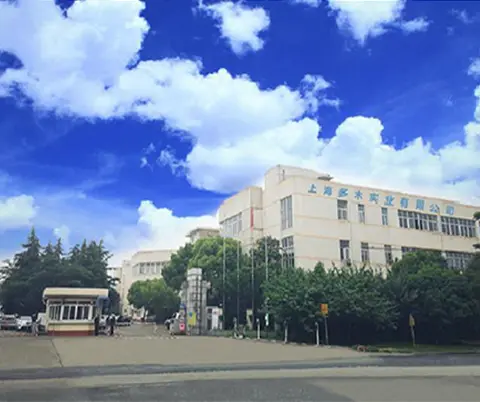
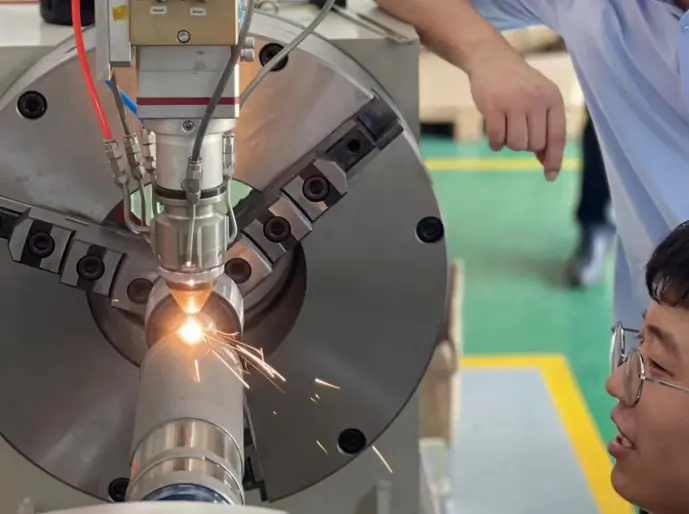
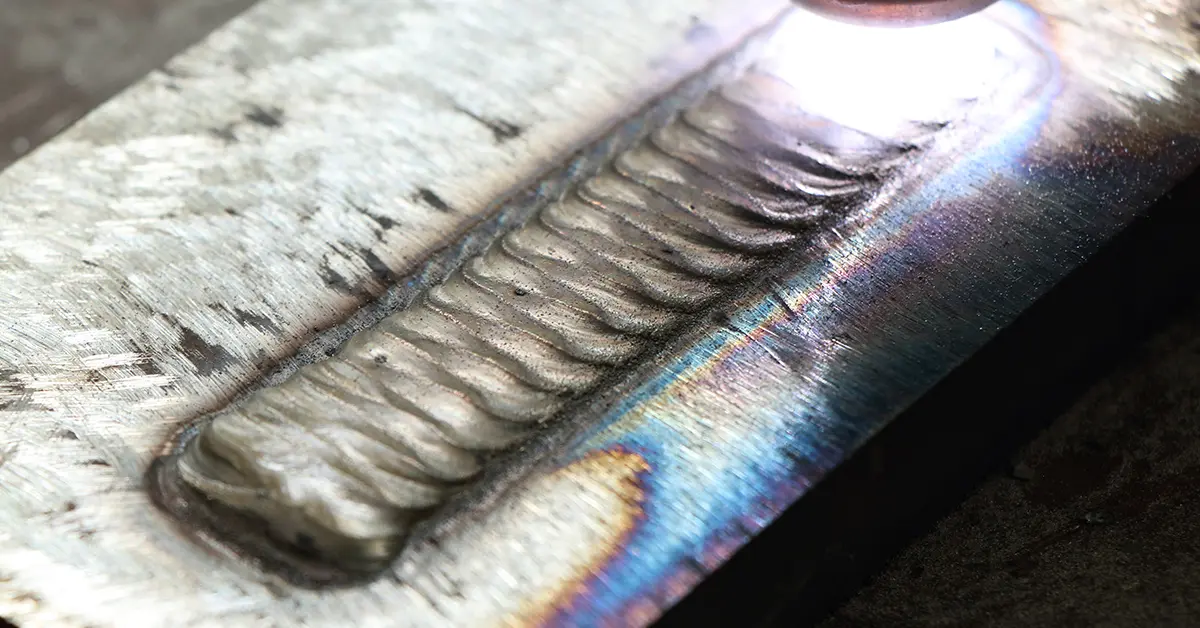
A primary goal in surface hardfacing is limiting dilution—the blending of base metal into the deposited alloy layer. High dilution compromises the wear and corrosion resistance of premium cladding powders. Shanghai Duomu's PTA welding machinery controls energy input to achieve dilution rates below 5%, significantly lower than standard arc welding processes.
By employing a highly concentrated constricted plasma column, the PTA process melts both the base material's surface and the alloy powder stream simultaneously. The resulting metallurgical bond is exceptionally strong and dense, avoiding the delamination risks associated with thermal spraying (HVOF) while delivering a refined, impact-resistant microstructure.
Custom-engineered systems optimized for the dominant manufacturing segments across the São Paulo industrial corridor



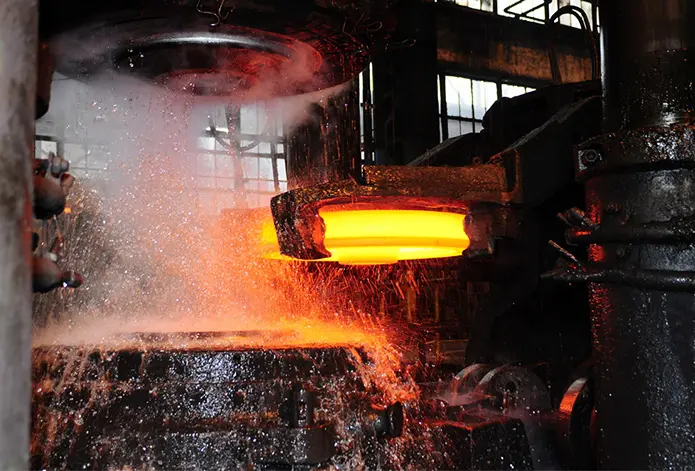
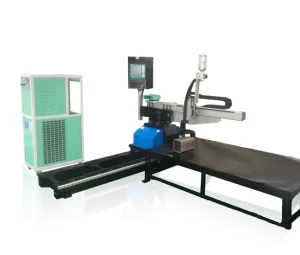
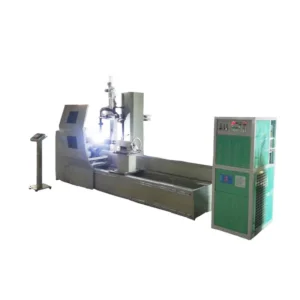
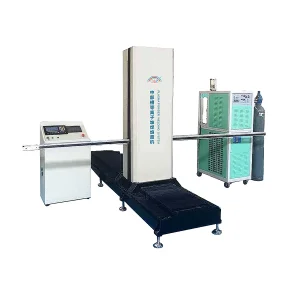
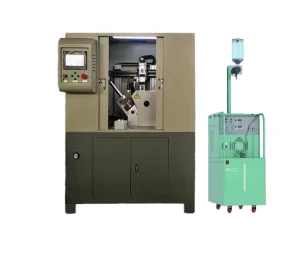
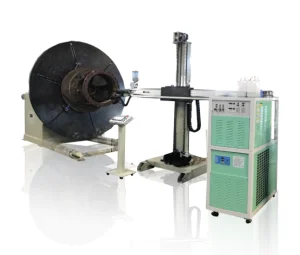
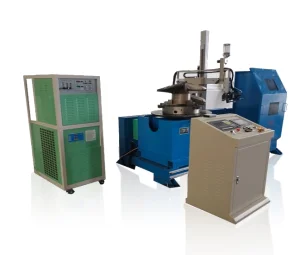
Explore customized configurations built for complex geometrical components and heavy-duty parts
Deploying advanced high-power industrial machinery in Brazil requires meeting strict regulatory guidelines. Shanghai Duomu ensures that all PTA and Laser cladding systems delivered to the São Paulo market comply with the NR-12 (Norma Regulamentadora 12) machinery safety standards. This includes dual-channel safety relays, physical protective enclosures, light curtains, and integrated emergency stop sequences.
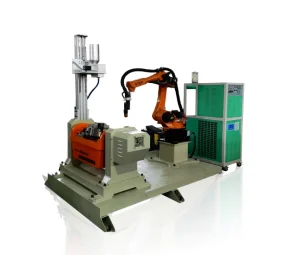
To support local industrial operations, we offer complete technical services, system installation, and localized operational training. We provide specialized programming training for automation systems (such as the DNC2000 or the DH1440-B06 Robot) to help your technicians maintain high operating efficiency.
Choosing the correct surface enhancement technology requires balancing cost, thermal input, and performance. Below is a comparative overview to guide your engineering decisions:
Field data from heavy processing facilities using Duomu PTA systems
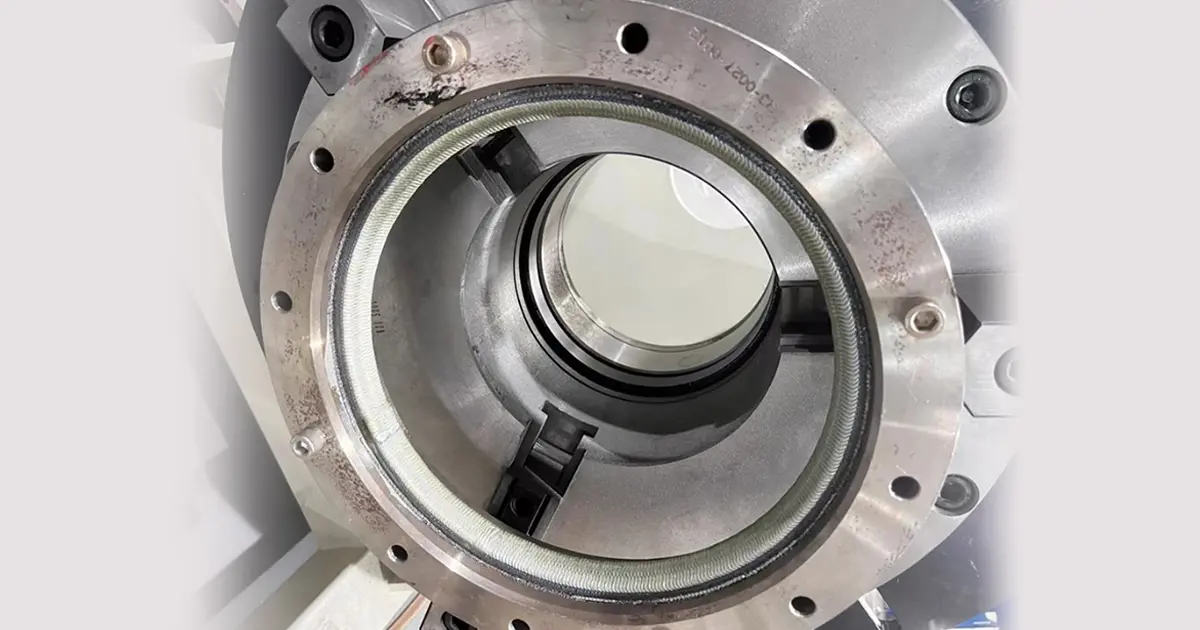
"The PTA Welding Valve Application Guide is not just a process choice for valve manufacturers facing high wear, high corrosion, and high-temperature erosion working conditions, but also a key path to improving product competitiveness. Implementing the DQF-LC602 system has improved our subsea valve cladding production."
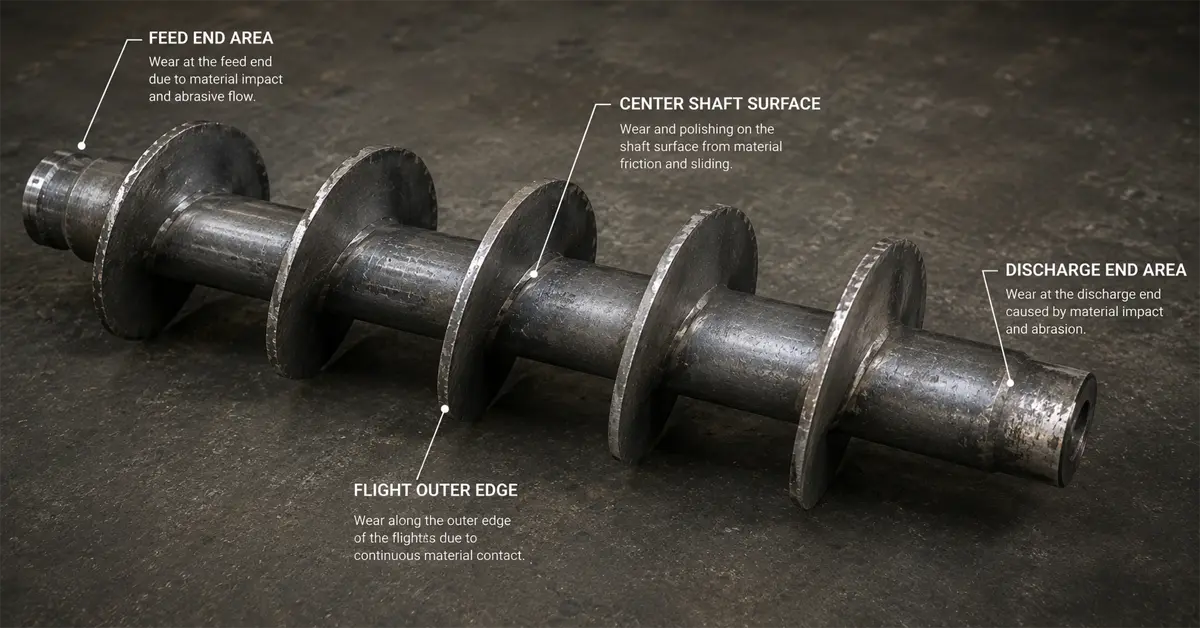
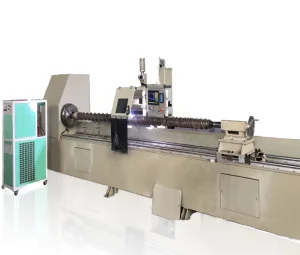
"In mining, cement, and bioenergy processing, screw conveyors are frequent causes of unplanned downtime. Utilizing the DLG-NC401 system for PTA hardfacing has extended conveyor service life in our agricultural and cement operations."
"Managing the dilution rate is essential in Plasma Transferred Arc (PTA) hardfacing to ensure long-term overlay performance. With Duomu's precise power controls, we consistently hold our dilution rates below 5%, saving on high-cost cobalt alloys."




Insights on equipment performance, alloy capabilities, and process parameters
Thermal spraying produces a mechanical bond that can peel or delaminate under high-shear subsea stresses. PTA welding forms a fully fused metallurgical bond, preventing the overlay from separating even under heavy impact and high-pressure chemical exposures.
If the base steel mixes significantly with the hardfacing layer, the concentration of wear-resistant elements (like chromium or tungsten carbides) decreases. Shanghai Duomu's low-dilution PTA systems ensure the alloy retains its original hardness and chemical structure.
Yes. Our powder feeders handle diverse alloys, including cobalt-based (Stellite), nickel-based (Colmonoy), iron-based, and tungsten carbide matrices, enabling you to optimize the overlay for your specific wear conditions.
Shanghai Duomu offers digital technical support, remote troubleshooting, and carries a full range of consumable parts like nozzles, electrodes, and feed lines to minimize customer downtime.
High-capacity systems engineered for continuous industrial manufacturing
 Duomu
Duomu