Direct from China's leading R&D manufacturing facility. Integrated automation designed for critical engineering applications.
A comprehensive comparison of Gas Metal Arc Welding (GMAW/MIG) and Gas Tungsten Arc Welding (GTAW/TIG) for heavy industrial environments.
MIG (Metal Inert Gas) Welding: Utilizes a continuously fed, consumable wire electrode. The power supply creates an arc between the wire and the base metal, melting both to form a high-deposition weld pool. It is highly automated, fast, and ideal for thick-section structural components. However, MIG typically suffers from a larger Heat Affected Zone (HAZ) and elevated risk of spatter and porosity in high-purity applications.
TIG (Tungsten Inert Gas) Welding: Relies on a non-consumable tungsten electrode to generate the arc. The welder manually feeds filler material into the weld pool. This separation of heat source and material feeding provides unmatched control over heat input, arc characteristics, and joint purity. TIG yields incredibly clean, spatter-free deposits, making it the choice for critical aerospace alloys, thin-gauge sheet metals, and root passes.
The Evolution Beyond MIG/TIG: While both methods are industry standards, traditional hardfacing and protective cladding applications face high dilution rates when using MIG or TIG. Leading modern factories, such as Shanghai Duomu, build upon these core principles to manufacture advanced Plasma Transferred Arc (PTA) and Laser Cladding systems, which reduce dilution from >15% (MIG/TIG) to under 5% and 1% respectively.
| Technical Parameter | MIG Welding (GMAW) | TIG Welding (GTAW) | PTA / Laser Cladding (Upgrade Path) |
|---|---|---|---|
| Electrode Type | Consumable Wire (Auto-fed) | Non-Consumable Tungsten | Transferred Arc / Concentrated Laser Beam |
| Deposition Rate | High (3 - 8 kg/h) | Low (0.5 - 2 kg/h) | Very High (Up to 12 kg/h / High Precision Powder) |
| Heat Affected Zone (HAZ) | Moderate to Large | Narrow / Precise Control | Extremely Minimal (Sub-millimeter scale) |
| Dilution Rate | 15% - 30% | 10% - 20% | < 5% (PTA) / < 1% (Laser Cladding) |
| Shielding Gas Requirement | Ar, CO2, or Gas Mixtures | High-Purity Argon | Argon Carrier + Shielding Shield |
| Operator Skill Curve | Low to Moderate | Exceptionally High (Manual) | Automated CNC / Robotically Programmed |
How Shanghai Duomu integrates advanced material sourcing and precision CNC fabrication to deliver cost-effective, high-reliability systems worldwide.
Operating from Shanghai, our manufacturing facility leverages a robust domestic industrial ecosystem. We control the complete process: from CNC machining of high-precision tungsten calibrators and specialized plasma torches to the programming of multi-axis robotic cladding platforms. This local supply chain resilience guarantees rapid design customization and shorter lead times compared to Western manufacturers.
By integrating advanced PLC controls with premium mechanical components, we build PTA and laser cladding systems capable of running 24/7 in demanding industries like mining, metallurgy, and petrochemical power generation. Every system undergoes extensive stress testing and factory acceptance testing (FAT) before shipment.
Our plasma and laser cladding equipment is engineered to extend the service life of critical components operating under severe abrasion, corrosion, and high temperature.

Hardfacing components such as plowshares, harvesters, and rotating tines to resist heavy soil abrasion, extending component life by up to 300%.

High-precision laser cladding for aero-engine turbine blades and landing gear, maintaining microstructural integrity and strict mechanical tolerances.
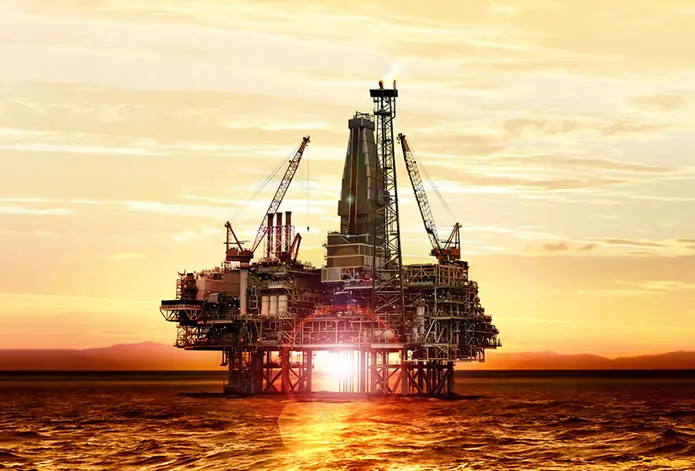
Anti-corrosion overlays for drill pipes, valve seats, and downhole tools facing extreme geological stress and aggressive sour service environments.
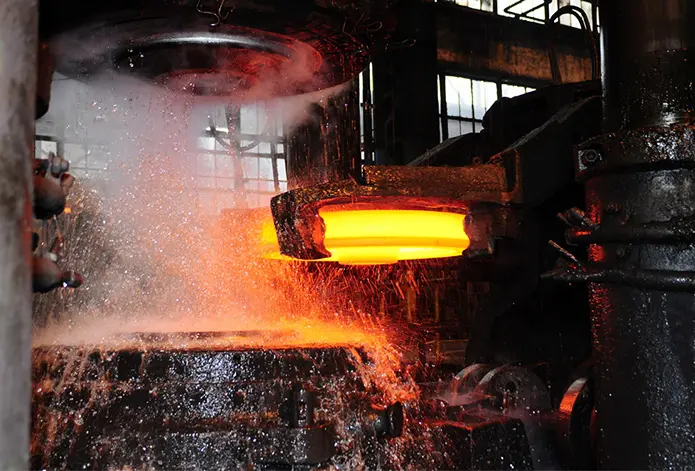
Thermal fatigue protection and dimensional restoration of casting molds, hot rollers, and extrusion dies subjected to severe cyclic heating.
Developing next-generation surface modification technologies to meet the demands of tomorrow's industrial automation.
As industries shift toward smart manufacturing, Shanghai Duomu is integrating real-time sensors and optical tracking cameras into our PTA and laser cladding platforms. Our future systems will utilize closed-loop feedback mechanisms to dynamically adjust arc current, powder feed rate, and laser energy during the process. This maintains consistent dilution and deposit quality regardless of thermal build-up in the workpiece.
By leveraging deep learning models trained on millions of arc sound and visual spectrum datasets, our upcoming CNC controllers will predict and prevent defects like porosity, tungsten inclusions, and micro-cracking in real-time. This eliminates the reliance on post-weld NDT inspection, saving significant time for global high-volume manufacturers.
In response to demands for rapid heavy-deposition welding with low thermal distortion, we are expanding our research into hybrid laser-MIG processes. This combines the high deposition speed of MIG welding with the concentrated energy density of a laser beam. The result is a system that welds thick plate sections at three times the speed of traditional GMAW, with minimal angular distortion and a highly refined grain structure.
Industrial sustainability is driving the growth of remanufacturing over raw scrap. By developing automated robotic systems dedicated to rebuilding worn components—such as hydraulic rods and heavy ball valves—we help heavy industries reduce raw material footprints and carbon emissions, while restoring components to OEM-level performance.
Shanghai Duomu provides comprehensive support tailored for multinational procurement standards. All our machinery conforms to CE safety regulations, and our pressure-related systems align with ASME and ISO 9001 guidelines. We understand that importing advanced manufacturing equipment requires robust post-sales support, which is why we offer:
When procurement managers evaluate Chinese equipment manufacturers, standardizing the comparison criteria is essential. Our sales and engineering teams work together to provide transparent verification documentation, focusing on:
Expert technical responses to common questions regarding process selection, equipment engineering, and optimization.
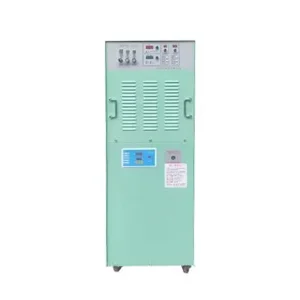
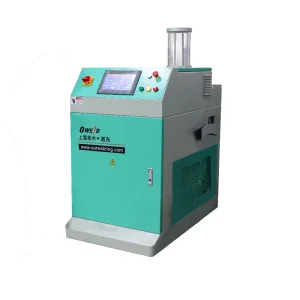
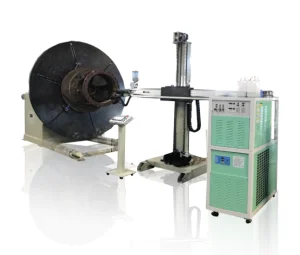
High-duty cycle machinery engineered for deep wear protection, dimensional restoration, and large-scale manufacturing applications.
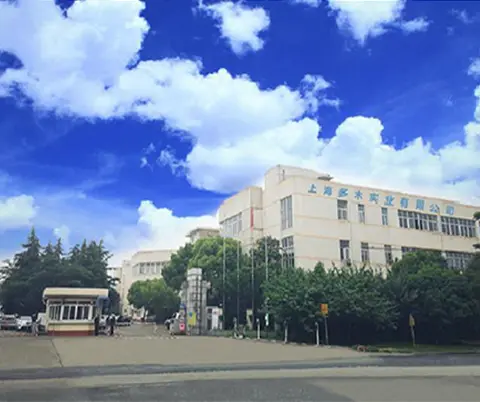
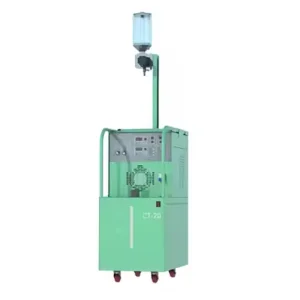
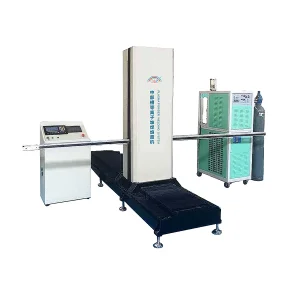
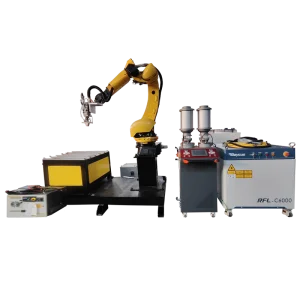
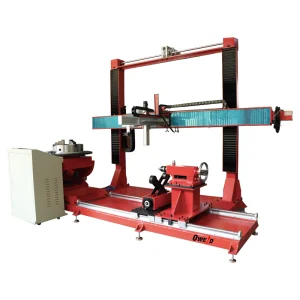
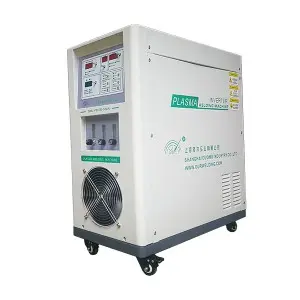
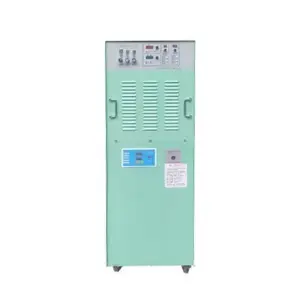
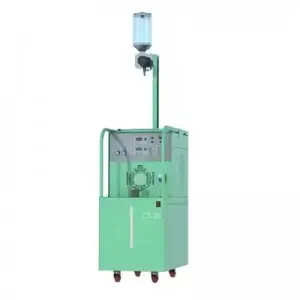
Shanghai Duomu has been a leading manufacturer and exporter of PTA cladding machines and Laser cladding machines for more than ten years, supported by a strong technical background. Our equipment is deployed globally to defend components against mechanical wear and corrosion.
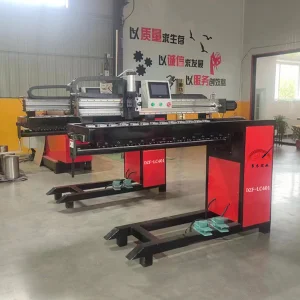
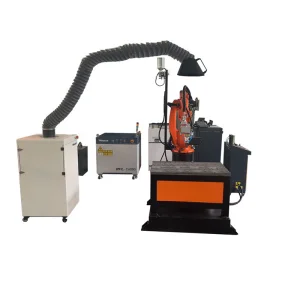
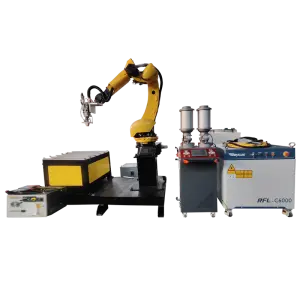
Our company specializes in engineering customized configurations, including automated laser cladding units, automatic plasma cladding tools, and intelligent robotic integration, catering to industry-specific components like hydraulic rods, coal mining picks, and large valve assemblies.
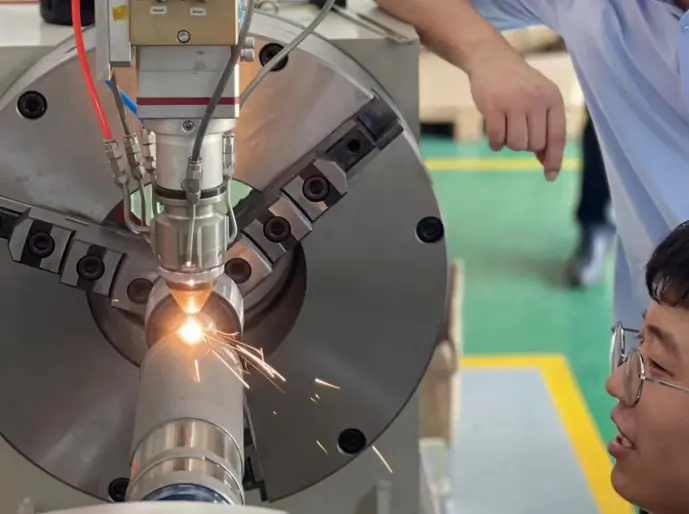
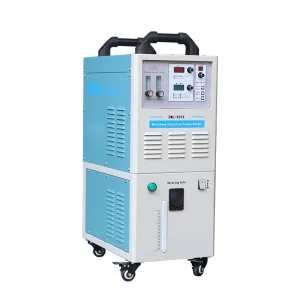
We operate an independent R&D team that designs, builds, and maintains our plasma and laser cladding equipment. Our power sources and control cabinets are designed for long-term stability and continuous operation under challenging conditions.
Whether optimizing alloy dilution rates, establishing custom CNC toolpaths, or engineering complete turnkey systems for heavy remanufacturing projects, we have the technical resources to deliver reliable industrial solutions.
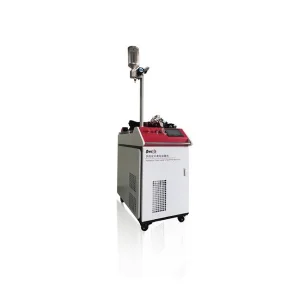
Our core focus ranges from compact precision cladding to high-capacity industrial systems.
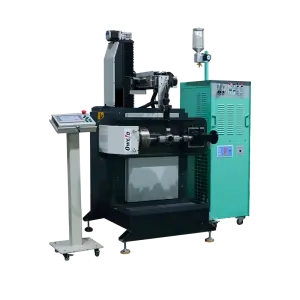
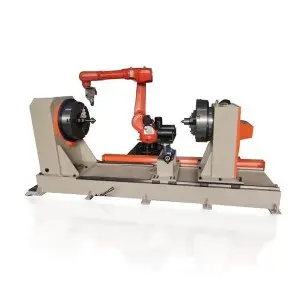
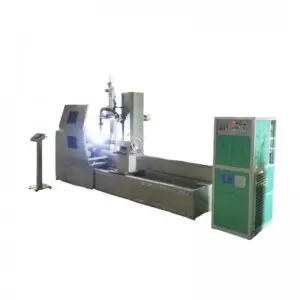
How our PTA and laser cladding solutions solve real-world wear, corrosion, and operational challenges in heavy industry.
"The PTA Welding Valve Application Guide is not just a process choice for valve manufacturers facing high wear, high corrosion, and high-temperature erosion working conditions, but also a key path to improving product competitiveness. As industries such as petrochemical demand higher durability, Shanghai Duomu's systems offer the precision needed."
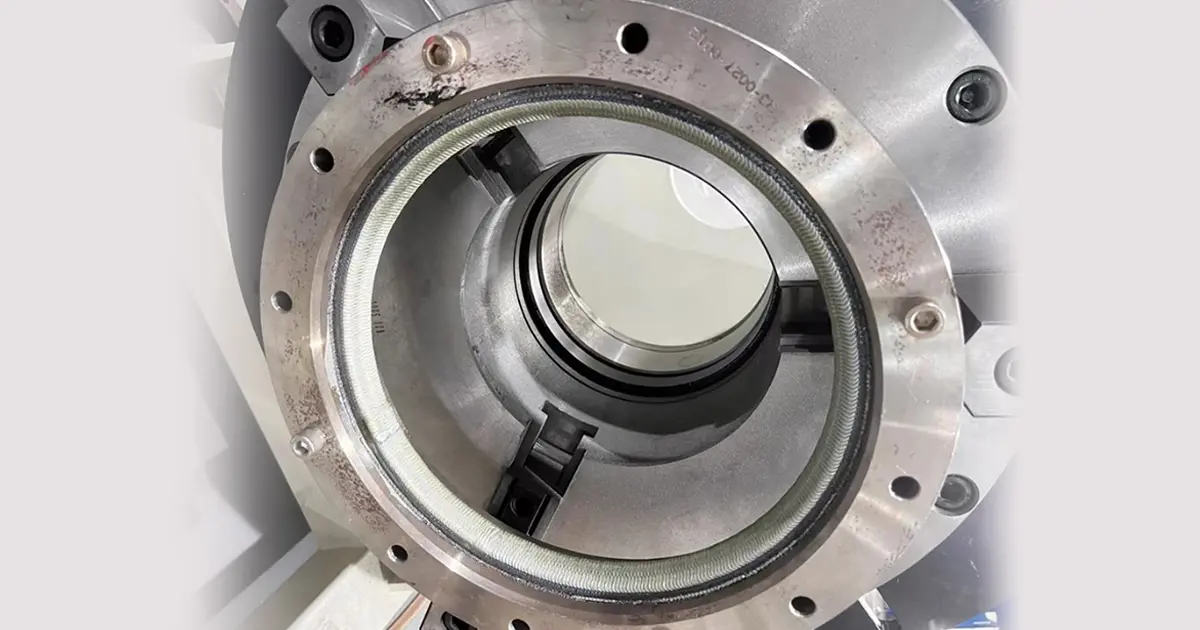
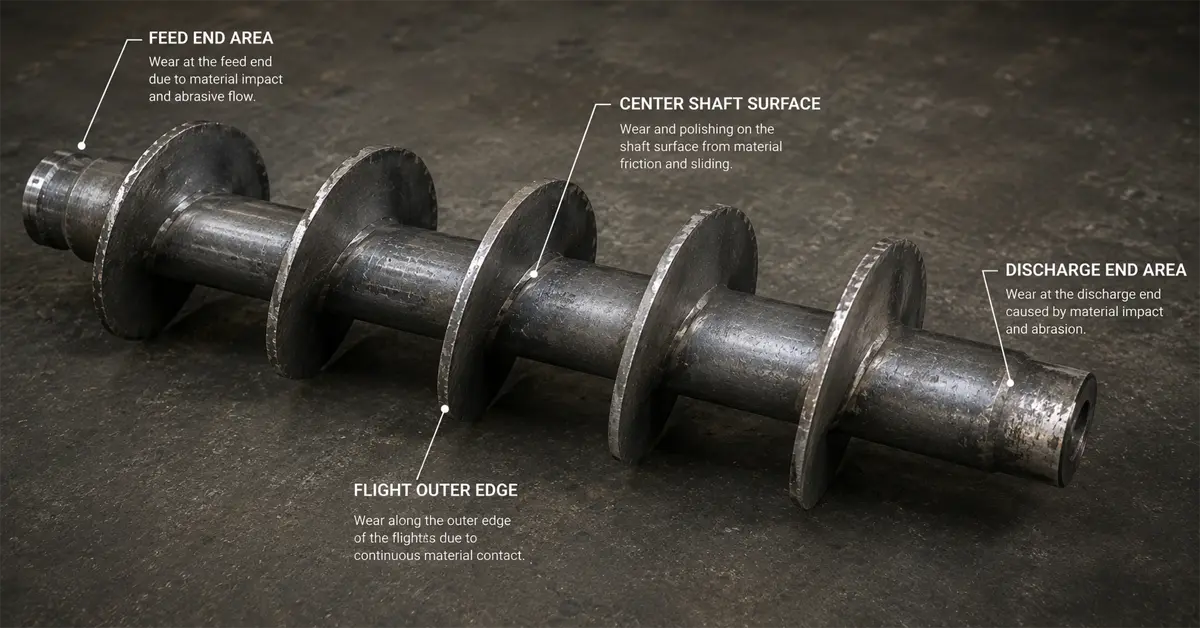
"In industries such as mining, cement, power generation, steelmaking, chemical processing, and biomass energy, screw conveyors are often regarded as auxiliary equipment. However, maintenance data shows that they are among the most frequent causes of unplanned production downtime. Using automated PTA surfacing dramatically extends screw flight longevity."
"In Plasma Transferred Arc (PTA) hardfacing, achieving a high-quality overlay is not only about selecting the right alloy powder or optimizing welding parameters. One of the most critical factors that directly affects overlay performance is the dilution rate. Shanghai Duomu machines maintain dilution under strict parameters, ensuring the alloy properties are preserved."
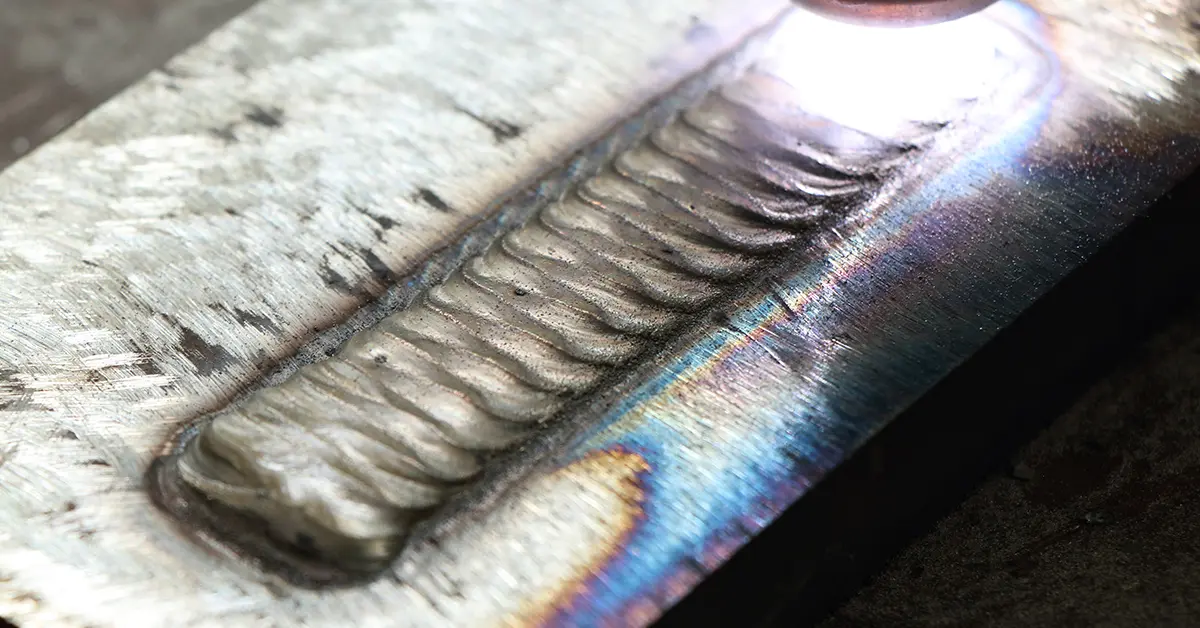
"In industries such as Oil & Gas, Mining, Power Generation, Cement, and Heavy Equipment Manufacturing, hardfacing is no longer just a repair process. It has become a critical technology directly related to equipment lifespan, downtime costs, maintenance frequency, and overall productivity. Custom plasma cladding systems from Duomu have optimized our manufacturing workflow."
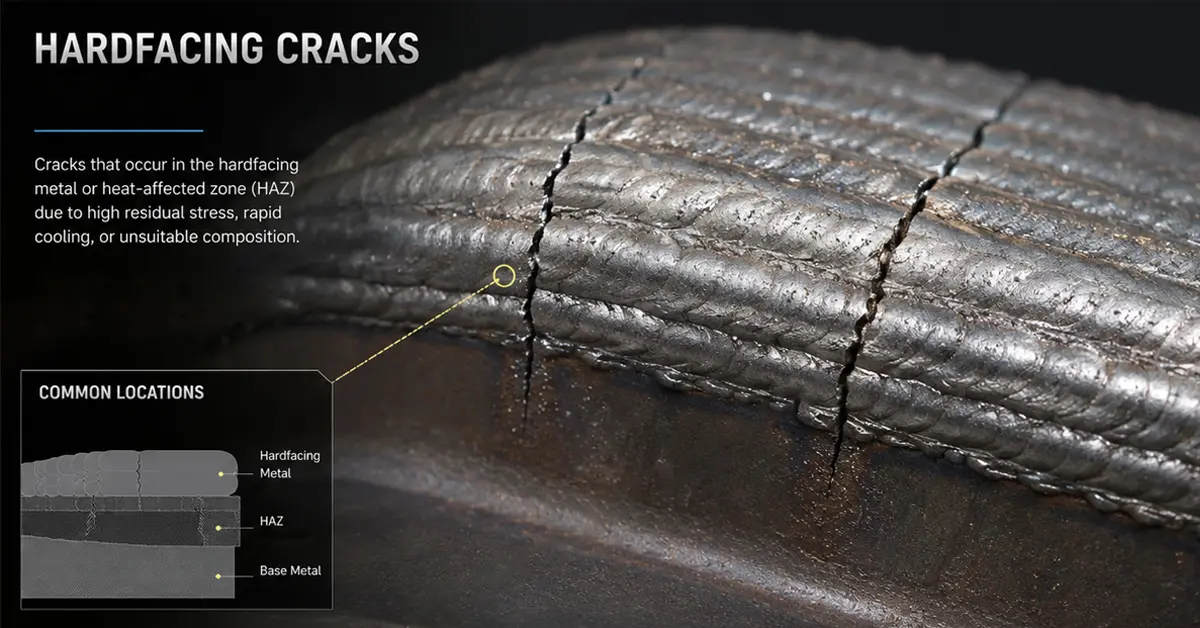
"In industries such as oil & gas, petrochemical, power generation, mining, and marine engineering, industrial valves are constantly exposed to severe operating conditions including high pressure, extreme temperatures, corrosive media, abrasive wear, and sand erosion. Duomu's automatic cladding provides a reliable wear barrier."
For inquiries about our products or custom price configurations, please contact us. Our engineers will respond within 24 hours with a comprehensive technical proposal.
Request a Consultation







 Duomu
Duomu