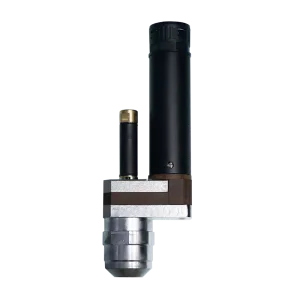
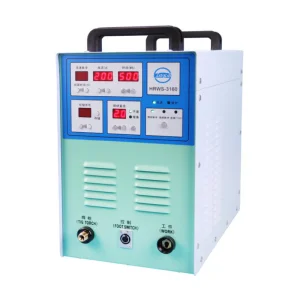
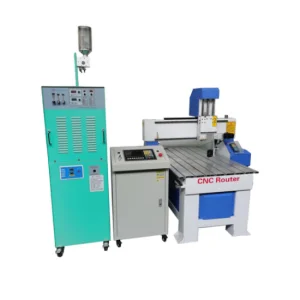
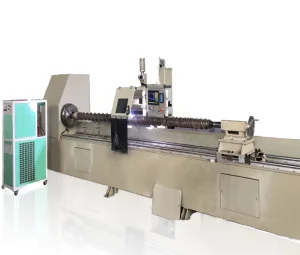
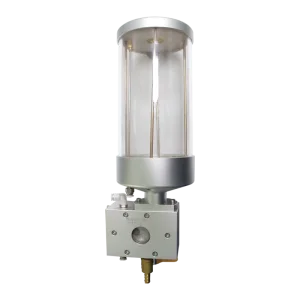
Explore our core engineered hardware, built to deliver extreme durability, minimal dilution, and high deposition rates.
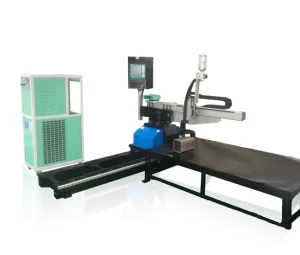
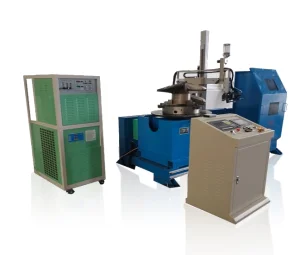
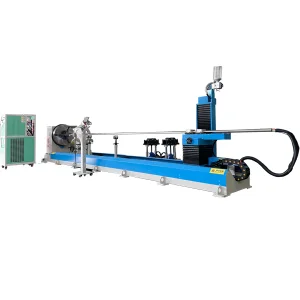
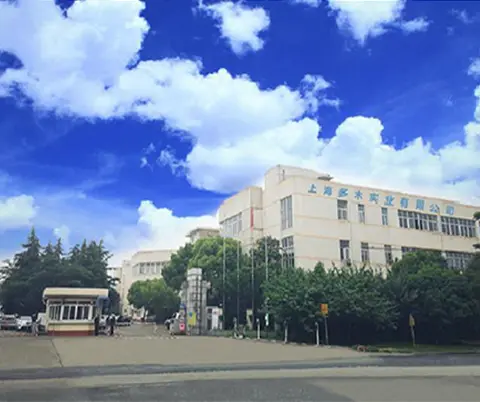
For more than a decade, Shanghai Duomu has stood at the vanguard of metallurgical overlay technology as an authoritative manufacturer and exporter of Plasma Transferred Arc (PTA) cladding systems and precision laser cladding machinery. With our roots deeply embedded in advanced welding mechanics and material science, we offer comprehensive, highly customized systems engineered to increase component lifespan and reduce catastrophic industrial downtime.
Modern manufacturing demands components that can withstand extreme mechanical wear, chemical corrosion, and thermal cycling. Standard alloys often fail to meet these demands on their own. Our proprietary cladding technologies bridge this gap by fusing high-performance cobalt, nickel, and iron-based superalloy powders directly onto base materials with metallurgical bonds of outstanding integrity.
From heavy agriculture to aerospace flight operations, see how Duomu cladding machinery delivers strategic performance enhancements.

Soil tillage, harvesting blades, and feed screw systems face harsh wear. Our custom PTA overlays apply tungsten carbide layers to triple tool life.

High-precision laser hardening and low-heat plasma cladding for turbine blades, aerospace actuators, and defense components demanding zero distortion.

Drill stabilizers, oilfield valves, and downhole components require superior corrosion and erosion resistance. PTA hardfacing delivers dense, defect-free layers.
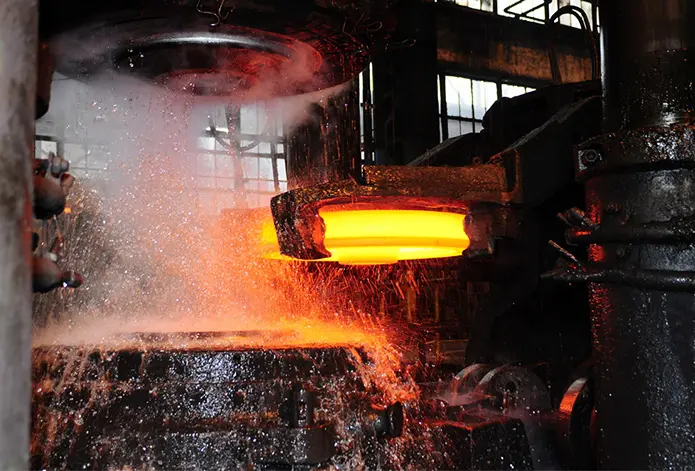
Blast furnace parts, continuous casting rollers, and forging dies undergo severe thermal fatigue. Our automated systems deposit customized thermal barriers.
At the heart of Shanghai Duomu’s success is an independent, multidisciplinary R&D division. We design, program, manufacture, and test our own plasma and laser cladding equipment to maintain control over quality and performance.
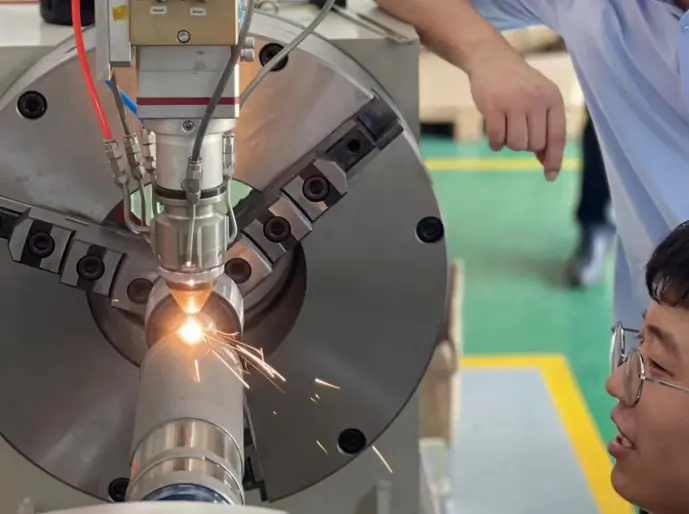
Our advanced systems feature high thermal efficiency, consistent powder feeding control, and automated multi-axis movement integration. Whether you are conducting large-scale industrial remanufacturing or high-precision surface repairs, our machinery is built to run continuously in demanding plant environments. We provide comprehensive industrial solutions, including custom fixtures, specialized software, powder feeders, and closed-loop process monitors.
We supply custom systems, automatic laser cladding units, smart robotic cell integrations, and application-specific designs. This includes specialized setups for hydraulic rods, picks, valve gates, and industrial extruder screws.
Years Engineering Expertise
Systems Deployed Globally
Industries Served
Quality Acceptance Rate
A comprehensive overview of our automated, robotic, and manual hardfacing systems designed for high-precision metallurgical deposits.
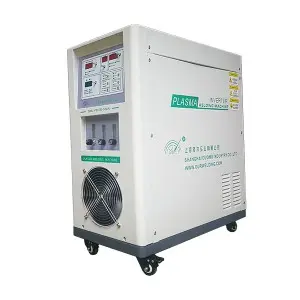
An automated surfacing workhorse engineered to deposit highly consistent wear-resistant coatings with low dilution rates on industrial wear parts.
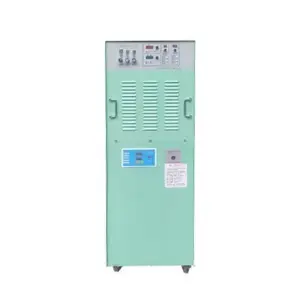
Combines multiple processes into one platform, allowing for rapid transition between surfacing, structural fabrication, and detail repairs.
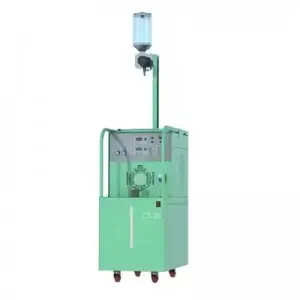
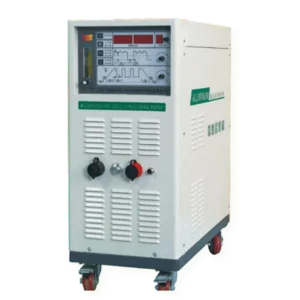
Offers stable arc characteristics and precise powder feeding control for high-alloy applications, making it ideal for job shops.
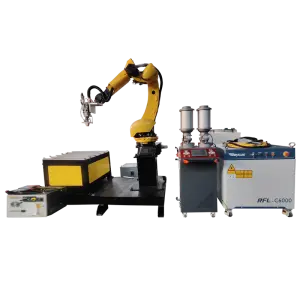
A specialized system designed for aircraft turbine blades and steam power generation impellers, ensuring minimal heat-affected zones.
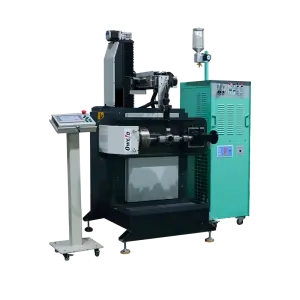
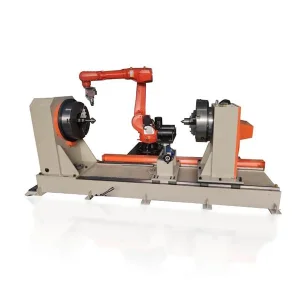
Provides precise rotary positioning and synchronized torch oscillation for spherical overlays on industrial ball valve gates.
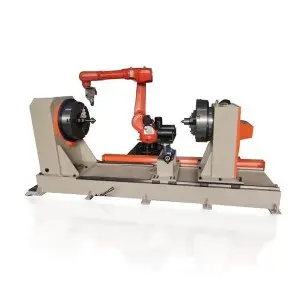
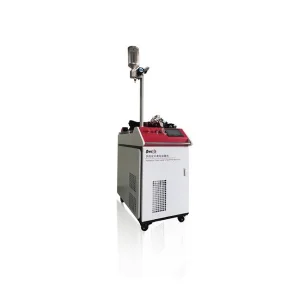
Integrates multi-axis robotic motion with high-power laser optics to perform selective hardening on complex geometries, dies, and molds.
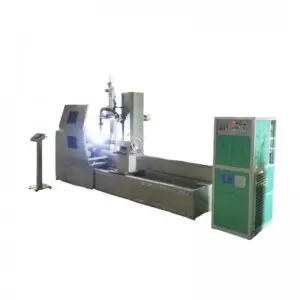
A heavy-duty setup designed for continuous cladding of long, heavy hydraulic cylinders used in mining and marine equipment.
Explore real-world applications showing how Shanghai Duomu equipment resolves wear issues across critical sectors.
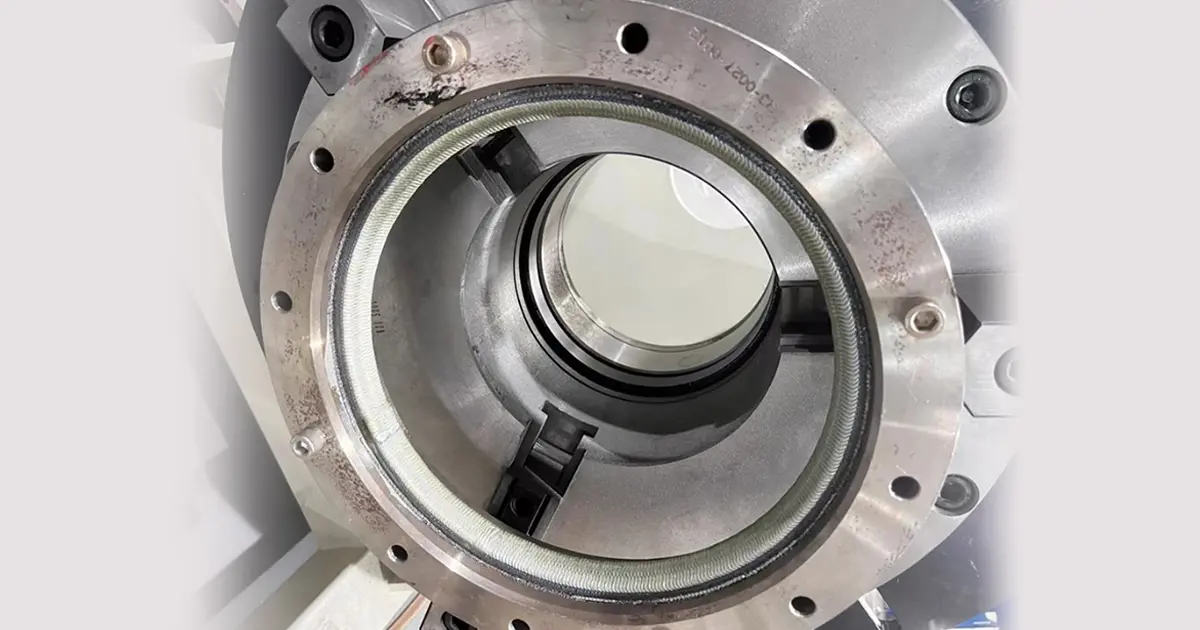
"The PTA Welding Valve Application Guide is not just a process choice for valve manufacturers facing high wear, high corrosion, and high-temperature erosion working conditions, but also a key path to improving product competitiveness. As industries such as petrochemical, power generation, and refining demand increasingly tighter tolerances and zero-leakage configurations, integrating Duomu's PTA equipment ensures the longevity of critical sealing faces."
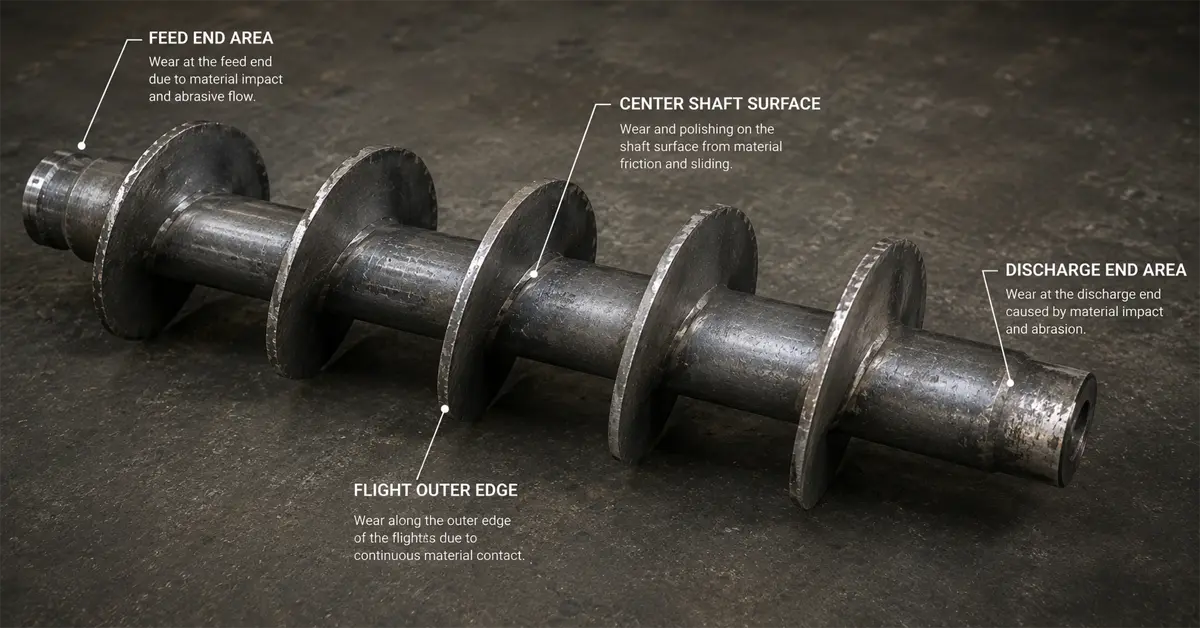
"In industries such as mining, cement, power generation, steelmaking, chemical processing, and biomass energy, screw conveyors are often regarded as auxiliary equipment. However, maintenance data shows that they are among the most frequent causes of unplanned production delays. Cladding the flights with Duomu's automated screw welding machine has extended our wear cycles from 6 months to over 2 years, saving us substantial maintenance overhead."
"In Plasma Transferred Arc (PTA) hardfacing, achieving a high-quality overlay is not only about selecting the right alloy powder or optimizing welding parameters. One of the most critical factors that directly affects overlay performance is the dilution rate. Shanghai Duomu's closed-loop control system allows us to keep the dilution rate under 5% in a single pass, ensuring that the corrosion-resistant properties of the cobalt base alloy are fully retained."
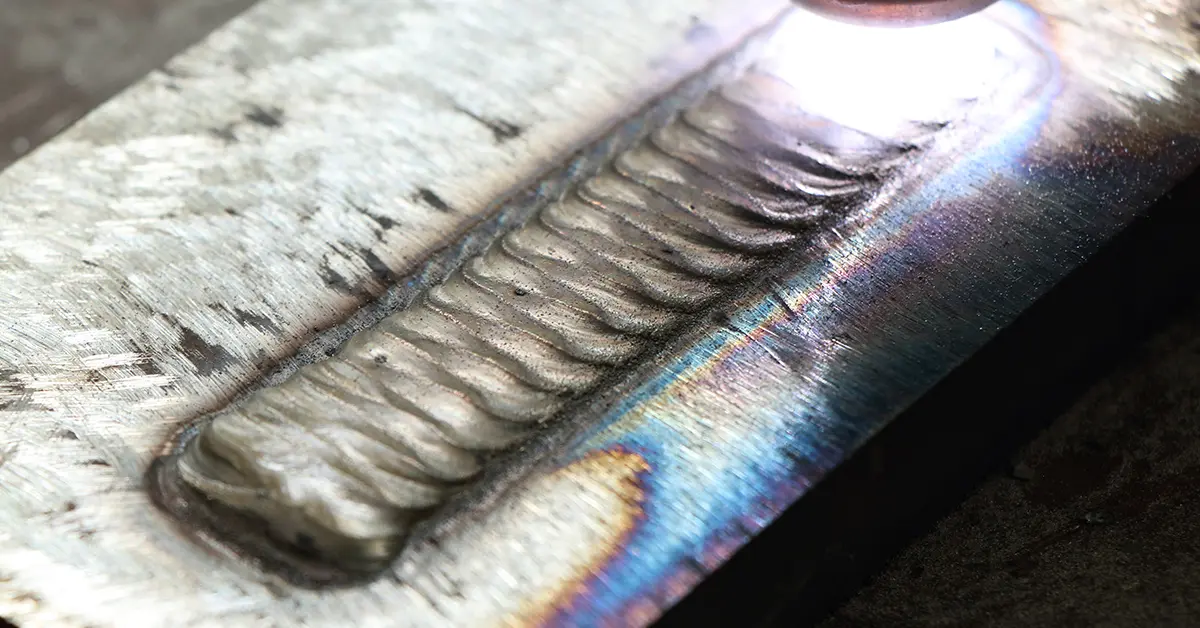
"In industries such as Oil & Gas, Mining, Power Generation, Cement, and Heavy Equipment Manufacturing, hardfacing is no longer just a repair process. It has become a critical technology directly related to equipment lifespan, downtime costs, maintenance frequency, and overall process efficiency. Transitioning to Duomu's robotic laser cladding cells has completely modernized our workflow, offering near-zero post-weld machining."
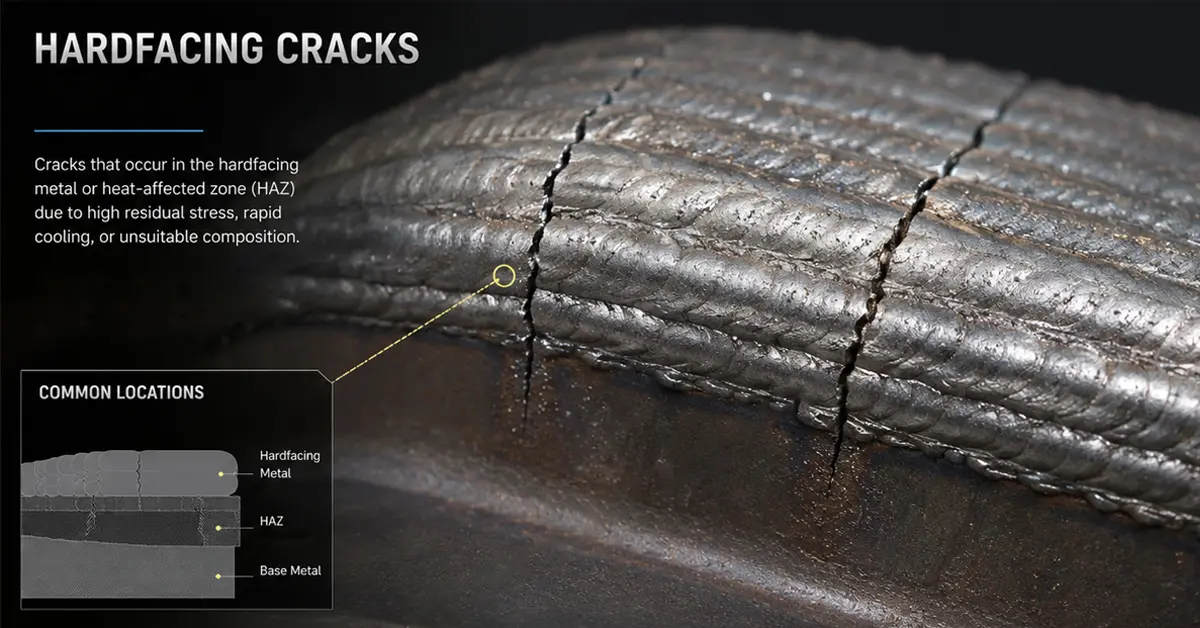
"In industries such as oil & gas, petrochemical, power generation, mining, and marine engineering, industrial valves are constantly exposed to severe operating conditions including high pressure, extreme temperatures, corrosive media, abrasive wear, and sand erosion. We integrated Duomu's DQF-LC602 automated ball valve welder and achieved 100% defect-free test runs on our extreme-service metal-seated valve lines."
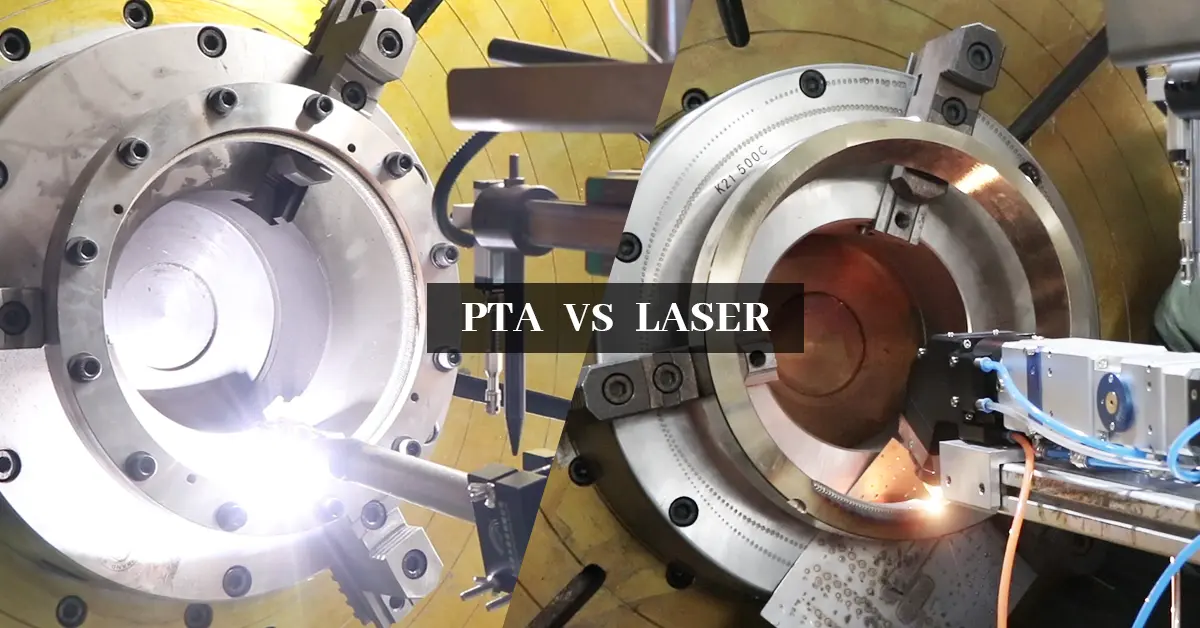
In weld overlay cladding, dilution refers to the mixing of the clad alloy with the base metal, which alters the chemical composition of the deposited layer. Higher dilution rates introduce iron from the substrate into the clad layer, reducing its hardness and wear resistance. This is a common challenge when applying expensive cobalt-based alloys (like Stellite) or nickel-based superalloys.
Traditional Gas Metal Arc Welding (GMAW) or Submerged Arc Welding (SAW) often results in dilution rates of 15% to 30%. Maintaining acceptable wear properties requires depositing multiple layers of material, which increases both alloy costs and cycle times. In contrast, Plasma Transferred Arc (PTA) cladding controls energy input, keeping dilution rates under 5% to 10% in a single pass. For even higher precision, laser cladding systems can achieve dilution rates below 3% to 5% with minimal heat input, preserving the properties of the raw alloy powder in the first layer.
Choosing the right process depends on part geometry, required deposition rate, metallurgical properties, and budget constraints:
Deploying automated cladding systems in regions like North America, the European Union, and Asia-Pacific requires strict adherence to local industrial standards. Shanghai Duomu ensures compliance across key engineering frameworks:
Our ongoing R&D initiatives focus on bringing intelligence, precision, and automation to modern surface engineering.
Real-time optical monitoring automatically adjusts laser power and powder feed rates based on temperature variations in the melt pool. This ensures uniform bead geometry, prevents defects, and maintains consistent dilution rates across complex shapes.
Using dual powder feeders, our upcoming systems can dynamically adjust alloy compositions within a single run. This allows for a ductile, tough interface layer next to the base metal, transitioning to an ultra-hard, wear-resistant surface layer at the exterior.
Integrating subtractive CNC milling and additive Directed Energy Deposition (DED) within a single workstation. This hybrid approach enables automatic machining of worn parts, immediate laser cladding, and finish-machining to original tolerances without refixturing.
Get answers to common technical questions about PTA and laser cladding systems from Shanghai Duomu's engineering team.
A: PTA cladding offers high deposition rates, low dilution rates (typically under 10% in a single pass), and a narrow heat-affected zone. It creates a strong metallurgical bond and enables the deposition of carbide composites (such as Tungsten Carbide in a Nickel matrix) without melting the carbides, which maintains wear resistance.
A: We configure multi-axis CNC or robotic motion platforms integrated with specialized chucks and dynamic tooling. For example, our screw brick machine automatic cladding systems synchronize part rotation with linear torch travel and powder feeding to ensure consistent bead overlaps along complex screw flight geometries.
A: Our systems work with a wide range of atomized metal powders, including cobalt-based alloys (Stellite equivalents), nickel-based alloys (Inconel and Colmonoy equivalents), iron-based alloys, and carbide matrix composites (Tungsten Carbide/WC). Standard base metals include carbon steels, alloy steels, tool steels, and cast irons.
A: We provide full setup support, including remote video calibration, parameter programming assistance, and operation manuals. Our equipment is built with industry-standard components (such as Siemens PLCs and international safety relays) to simplify local maintenance and integration into existing production lines.
Explore our heavy-duty automated machines, robotic setups, and powder feeders engineered to handle demanding industrial schedules.
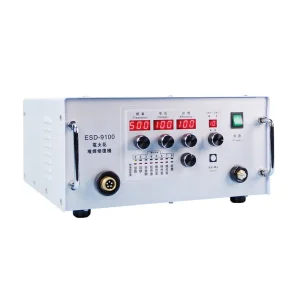
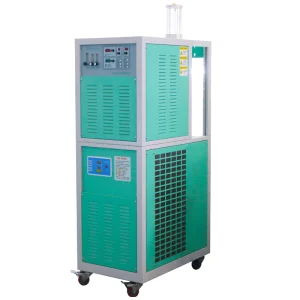
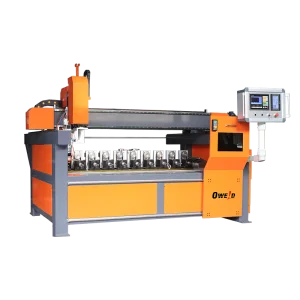
Our systems support factories, processing plants, and automation facilities worldwide.







For inquiries about our products, detailed process integration, or customized pricelists, leave your contact information below. Our engineering team will respond within 24 hours.
 Duomu
Duomu