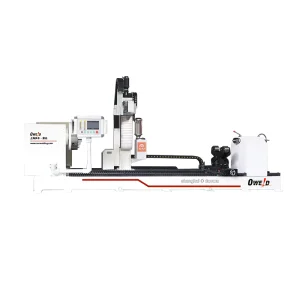
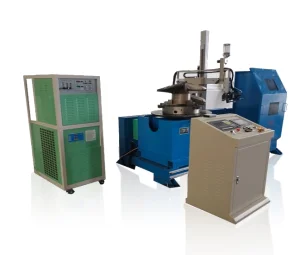
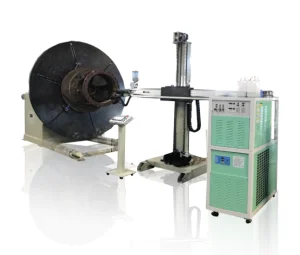
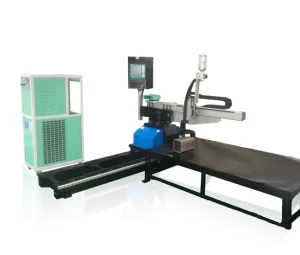
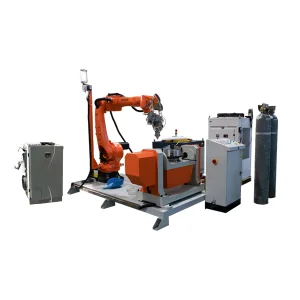
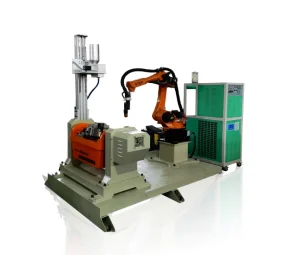
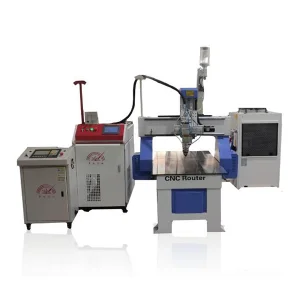
The global industrial cladding equipment market is experiencing a massive technological shift towards extreme automation, multi-axis robotic integration, and real-time melt pool monitoring. Traditionally, hardfacing was a manual process reliant on skilled welders, presenting challenges in dilution control and uniformity. Today, high-speed laser cladding systems and automated PTA setups are the standards, delivering deposition efficiencies exceeding 90%. Industrial buyers increasingly search for "cladding machines for sale" that combine smart path planning, closed-loop thermal control, and custom configurations tailored to heavy components.
Engineering buyers from heavy manufacturing, mining, aerospace, and energy sectors require cladding systems engineered to handle aggressive operating environments. Key procurement indicators focus on the machine's thermal input efficiency, heat-affected zone (HAZ) depth, post-processing requirements, and mechanical compatibility. As a leading supplier and manufacturer, we deliver custom cladding systems developed to resolve these operational bottlenecks. Our systems provide minimized dilution rates, reducing raw powder consumption while retaining optimal material characteristics in the outer cladded layers.
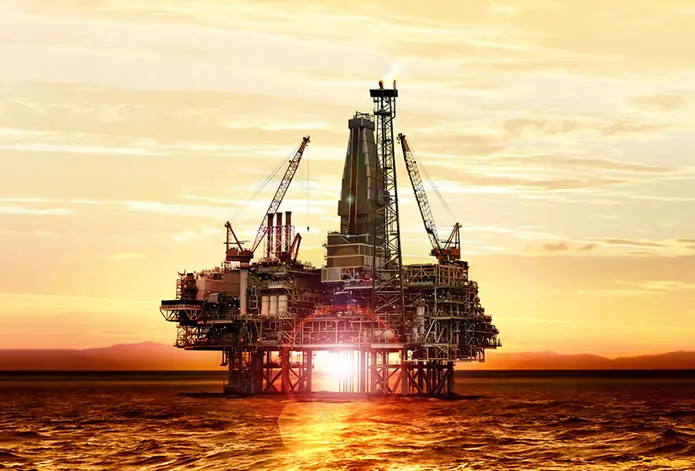
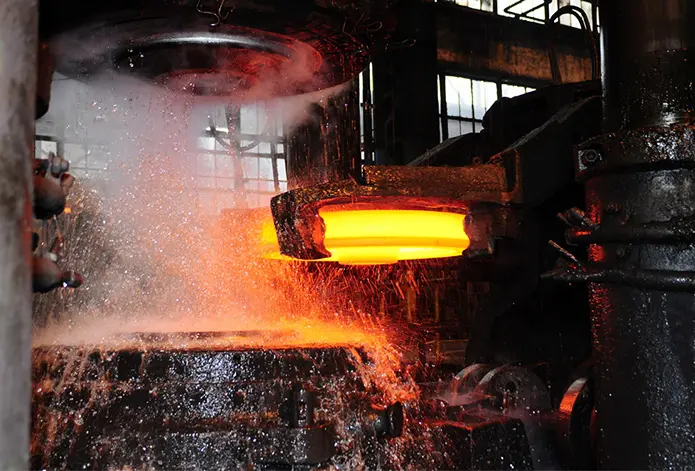
Our custom PTA and Laser Cladding systems are fully integrated into demanding industrial sectors worldwide, offering robust wear protection and component restoration options for extreme operating conditions.
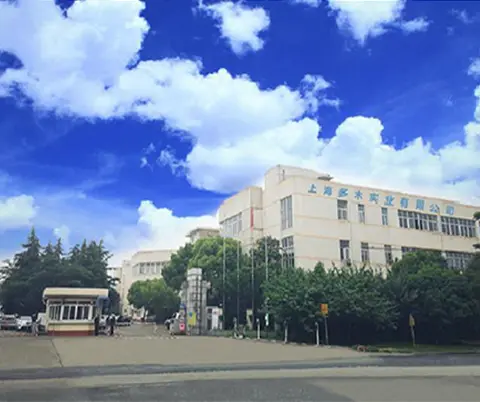
Shanghai Duomu has established itself as an industry-leading manufacturer and exporter of PTA cladding machines and high-speed Laser cladding systems for more than ten years. With a strong technical background and a dedicated team of engineers, we provide industrial equipment designed for stability, high deposition rates, and long-term durability. Our global reach allows us to supply systems to Europe, North America, Southeast Asia, and the Middle East, meeting international technical and safety standards.
Read More About UsWe maintain an independent Research & Development department that designs, produces, and configures our plasma and laser cladding systems. The resulting machinery offers stable operating performance, capable of sustaining efficient, continuous runs under heavy industrial conditions. For large-scale component remanufacturing, our laser cladding equipment supports deep metallurgical repair with minimal thermal distortion, backed by ready-to-run tooling configurations.
Get In Touch With Engineers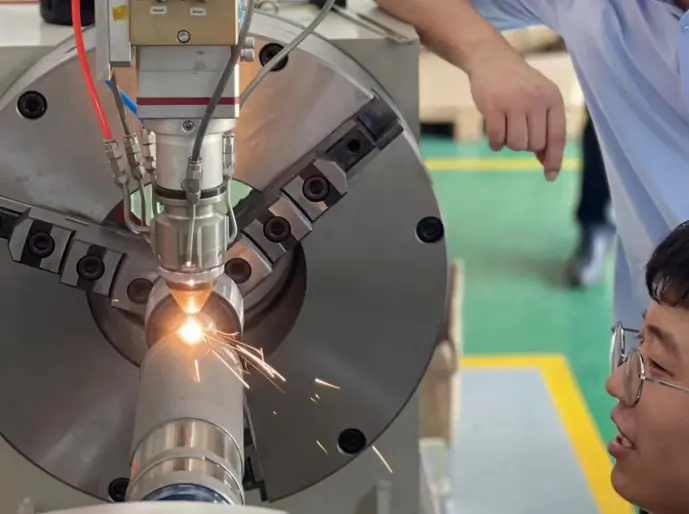
Demonstrated operational and metallurgical advantages achieved using our automated cladding machinery.
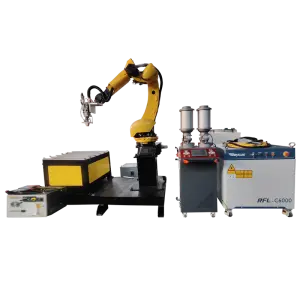
We configure custom laser and plasma systems to target unique geometry profiles and material properties.
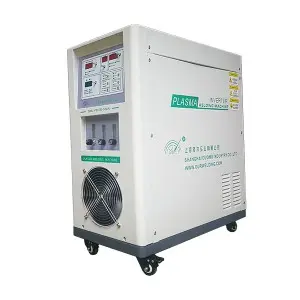
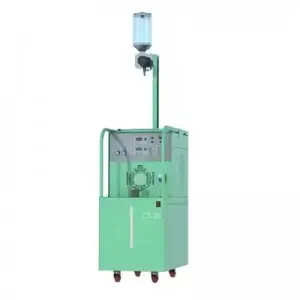
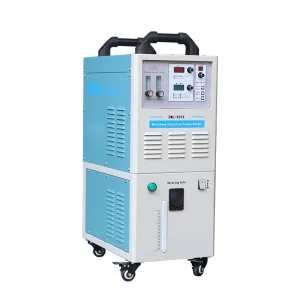
Highly integrated system optimized for automated surface overlay and precise powder feed management.
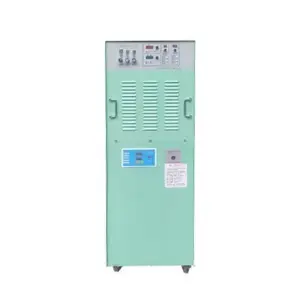
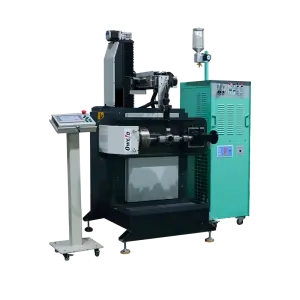
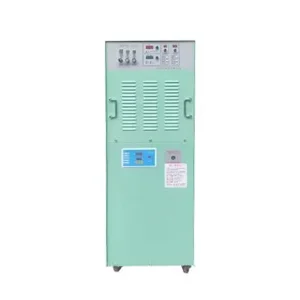
A multi-purpose setup designed for variable hardfacing coatings on carbon and low-alloy steels.
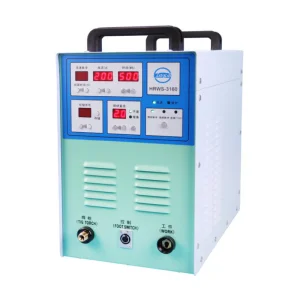
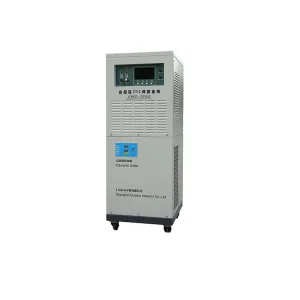
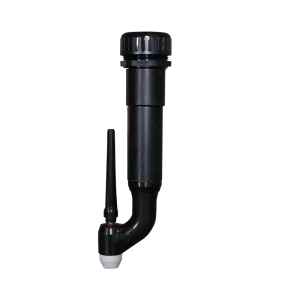
Features advanced controls to adjust thermal input, arc stability, and powder mass flow.
Engineered for precise rebuilding of complex aerodynamic geometries and turbine blade edges.
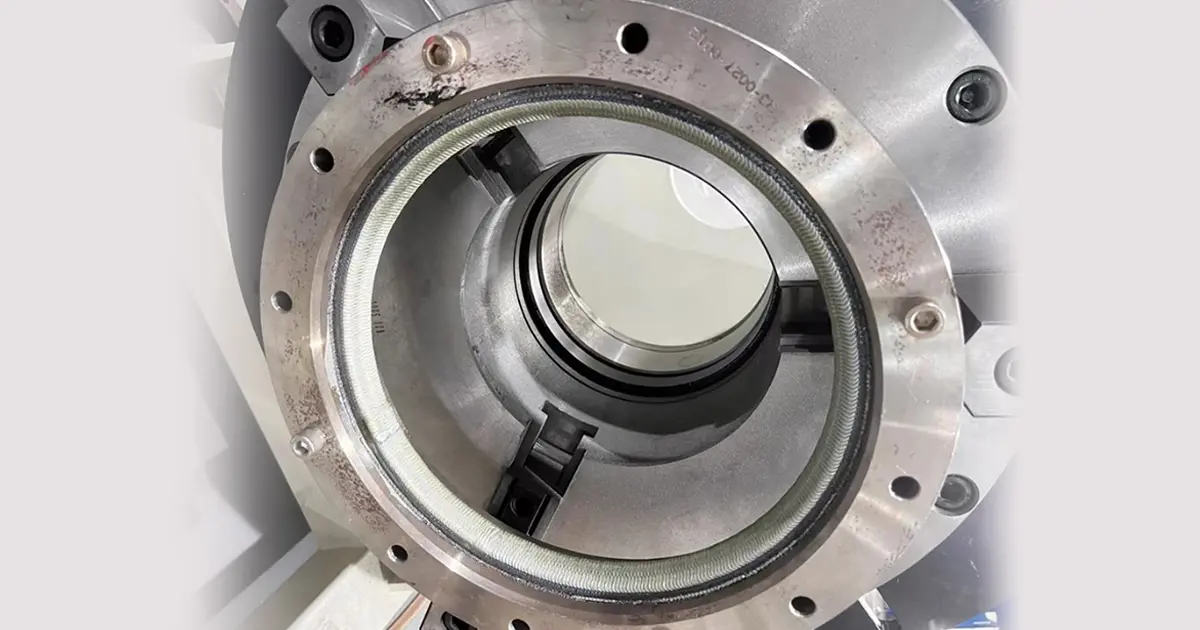
Applies wear-resistant alloys to spherical surfaces, maintaining sealing integrity.
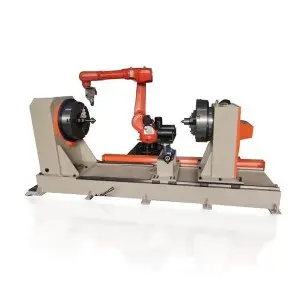
A multi-axis robotic solution for automated local surface transformation hardening.
Adapting to industry demands, Shanghai Duomu is integrating next-generation technologies to enhance material deposition and system controls.
Deploying customizable direct diode and fiber laser configurations to adjust absorption properties across varying substrate metals, reducing energy consumption and post-cladding stresses.
Using high-speed optical Pyrometers and integrated CMOS cameras to dynamically adjust laser power and travel rate, ensuring consistent dilution parameters across complex geometrical structures.
Combining additive cladding deposition with high-speed milling spindles inside a single automated workspace, enabling immediate finishing of high-precision components.
Developing high-pressure, constricted plasma nozzle profiles to accelerate powder velocities, matching the low-dilution performance of laser cladding at a lower investment cost.
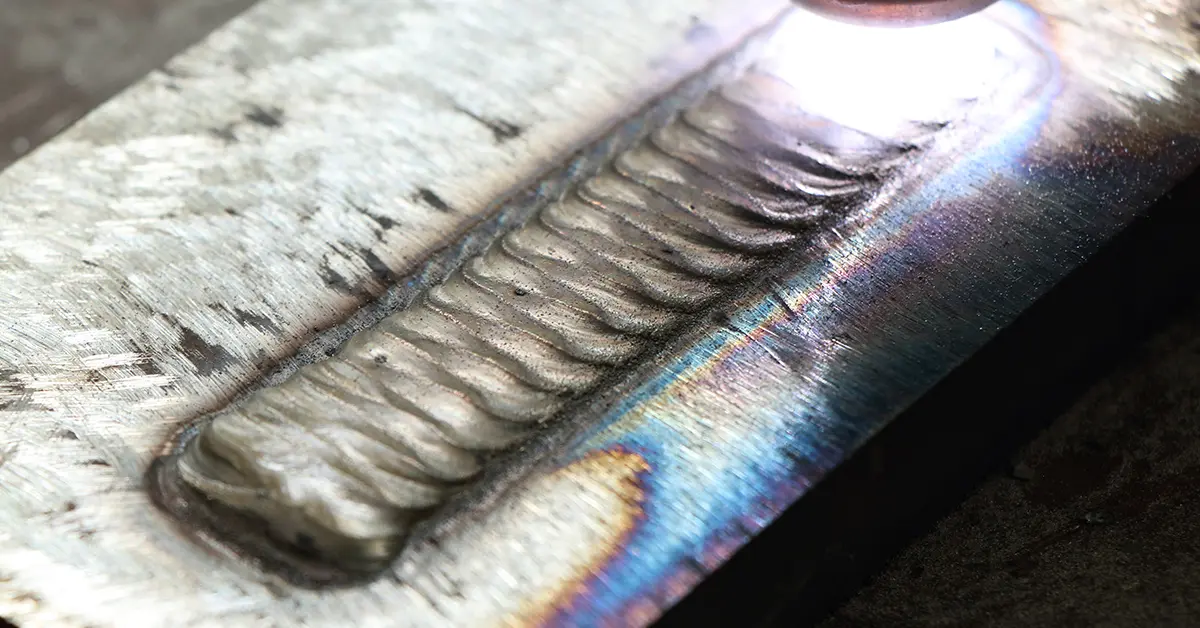
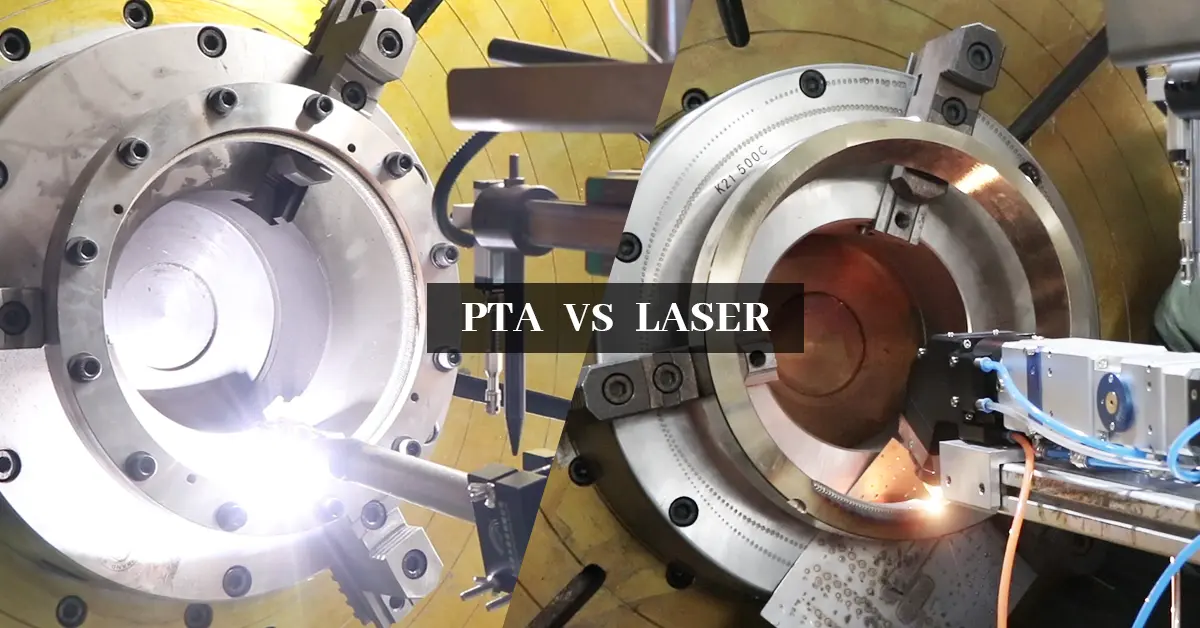
PTA uses a constricted arc to melt both the substrate surface and the metal powder feeding into the arc zone. The process provides high deposition rates (often exceeding 6 kg/hr) and forms a deep metallurgical bond.
Laser cladding uses a focused laser beam to create a shallow, precise melt pool. Metal powder is delivered coaxially or laterally, melting and solidifying rapidly into a thin, uniform coating.
Selecting the appropriate alloy powder is critical for cladding performance. We support a range of materials, including Cobalt-based Alloys (Stellite 6, 12, 21) for high-temperature wear, Nickel-based Alloys (Colmonoy, Inconel 625) for aggressive corrosion, and Tungsten Carbide (WC-Co/Ni) matrices for severe mineral abrasion.
Field performance and wear-protection results achieved by operators using Shanghai Duomu cladding systems.
"The PTA Welding Valve Application Guide is critical for valve manufacturers facing high wear, high corrosion, and high-temperature erosion. PTA overlays improve performance under extreme pipeline conditions."
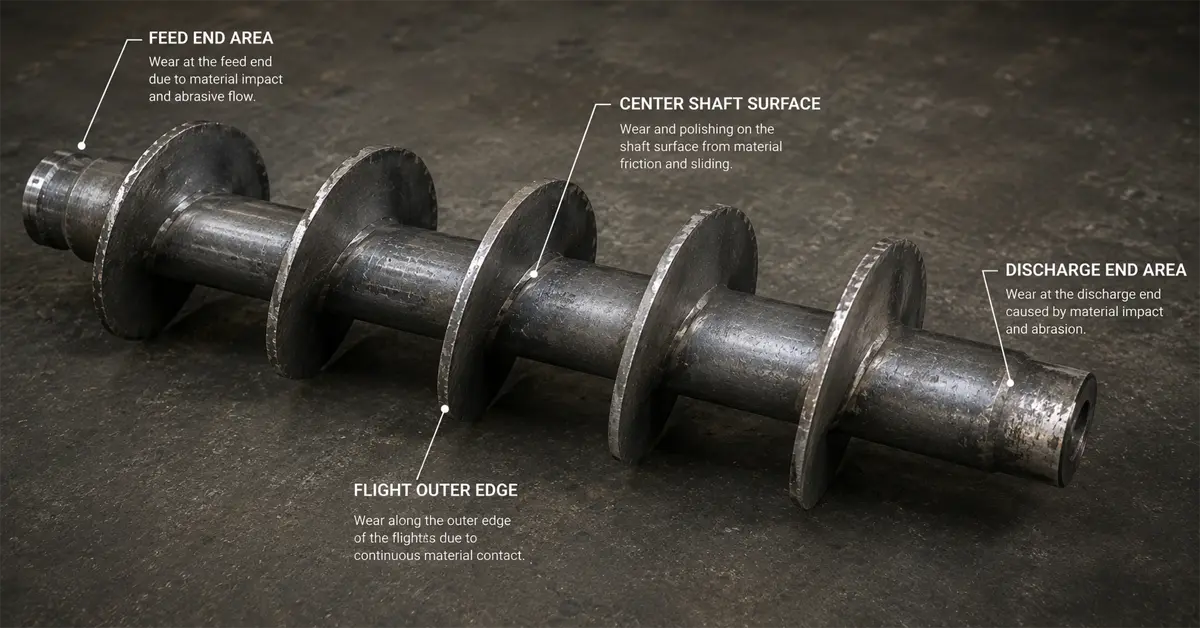
"In mining, cement, and power generation, screw conveyors are frequent causes of unplanned production downtime. Automated PTA hardfacing of screw flights extends part service life."
"Achieving a high-quality overlay in PTA hardfacing depends heavily on dilution rate control. Our system configurations allow operators to limit dilution while maintaining bond integrity."
"In oil & gas, mining, cement, and heavy equipment manufacturing, hardfacing has evolved from a simple repair tool into a key technology to manage equipment lifespans and downtime costs."
"Valves in petrochemical and marine service handle severe operating conditions, including high pressures, corrosive chemicals, and abrasive slurries, requiring uniform protective overlays."
Expert answers to common questions regarding system selection, process parameters, and industrial deployment.
Shanghai Duomu works with industrial partners worldwide to deliver integrated system solutions.






For inquiries about our products, configurations, or detailed price lists, please enter your email below. Our engineering team will respond within 24 hours.
 Duomu
Duomu