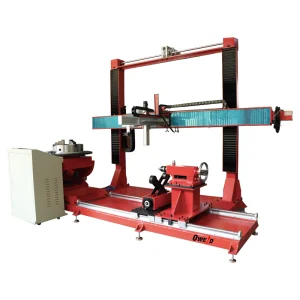
Custom Cladding Tools & Equipment Suppliers

Precision Plasma Transferred Arc (PTA) & Advanced Laser Cladding Hardfacing Systems. Built for High-Wear, Corrosive, and Critical Surface Refurbishment Challenges Worldwide.

Whitepaper: Industrial Hardfacing & Cladding

Technical Foundations of Modern Overlay Metallurgy

Industrial components in high-stress sectors face severe degradation from extreme sliding wear, impact abrasion, chemical corrosion, and elevated thermal cycles. Surface engineering—specifically Plasma Transferred Arc (PTA) cladding and Laser cladding—has transitioned from a basic maintenance technique to a critical phase of design engineering.

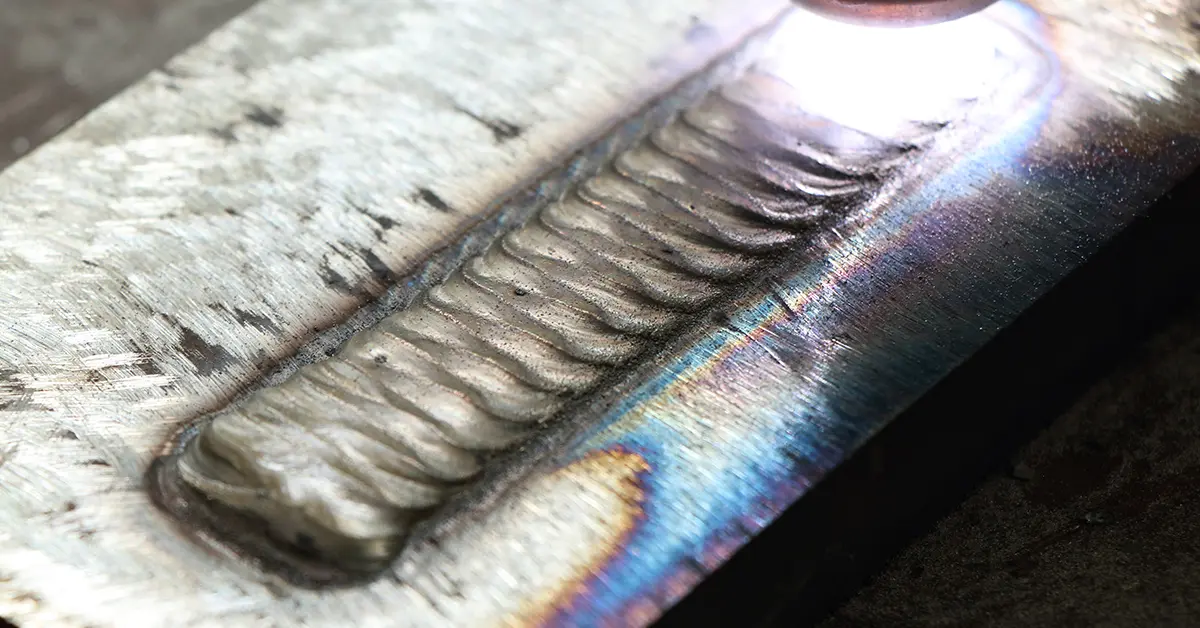
The engineering core of cladding lies in managing the dilution rate. Standard arc welding methods typically result in high dilution (10% to 25%), which shifts the chemistry of the deposited alloy and requires thick, multi-layer overlays to achieve specified hardness. In contrast, advanced systems leverage concentrated heat sources to restrict dilution under 5%, preserving raw overlay properties in a single pass.

By optimizing powder injection pathways and arc column density, modern tools allow manufacturers to deposit specialized matrix alloys (e.g., cobalt-based Stellites, nickel-based superalloys, and tungsten carbide metal matrix composites) with minimal thermal degradation of the host substrate. This metallurgy optimization extends component life up to 10 times compared to untreated parts.
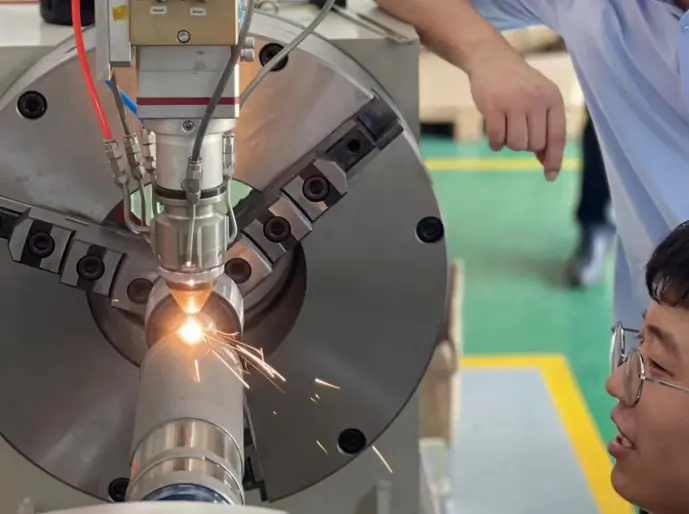
PTA Hardfacing Process Overview
About Shanghai Duomu

Global Exporter of Specialized Cladding Machinery

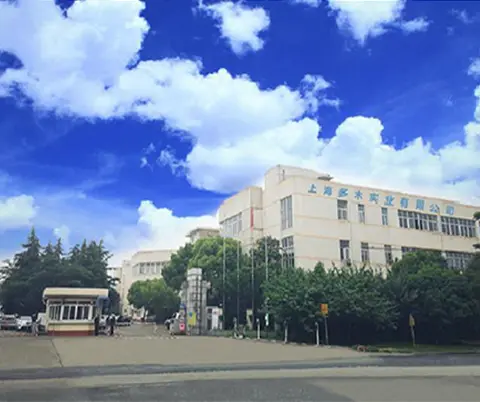
Shanghai Duomu has been a leading manufacturer and exporter of PTA cladding machines and Laser cladding machines for more than ten years, supported by a strong technical background. The company operates a dedicated R&D division focused on the complex physics of plasma arcs and multi-axis CNC motion control.

Our independent technical department develops, produces, and sells plasma cladding machine equipment designed for long-term industrial reliability. With mature engineering processes, the company provides complete turnkey solutions for manufacturing plants and remanufacturing centers globally.

This includes tailored cladding solutions like hydraulic rod cladding machines, pick cladding tools, and valve seat hardfacing platforms. These specialized machines deliver consistent overlay quality while reducing manual operator input.
Shanghai Duomu Technical Department
Application Areas

Engineered Solutions Across High-Stress Industries

Duomu's products serve industries demanding high structural reliability, severe corrosion resistance, and long-term wear protection.


Agricultural Machinery

Agricultural Machinery

Wear protection for soil-engaging tools, tillage teeth, and harvesting equipment.

Aerospace & Defense

Aerospace Military

Superalloy repairs on turbine blade tips and structural aviation components.

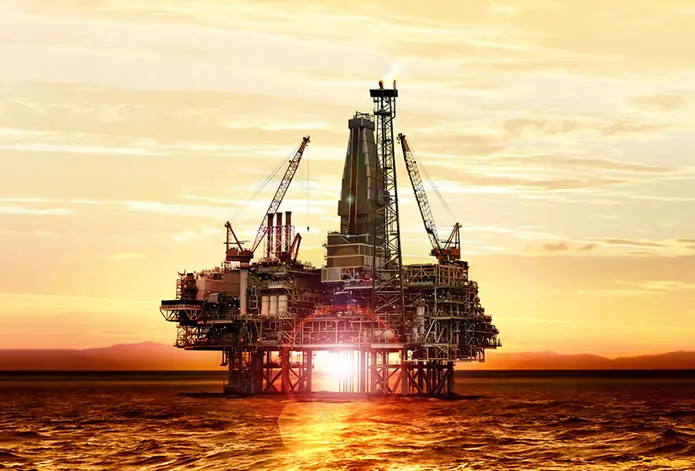
Petroleum Machinery

Petroleum Machinery

Hardfacing for drill collars, stabilizing bands, and downhole tools.

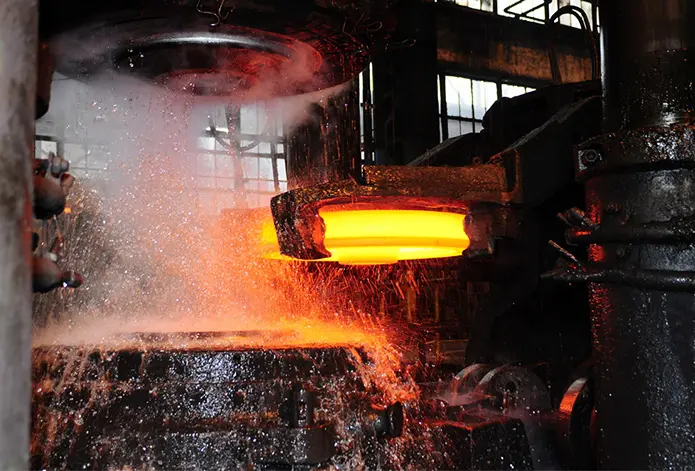
Metallurgy Casting

Metallurgy Casting

Restoring guide rolls, continuous caster shafts, and hot forging dies.

Automated Systems Portfolio

Customized Integration & Automated Equipment

From multi-axis robotic platforms to integrated powder feeders, we manufacture purpose-built equipment to meet exact production requirements.

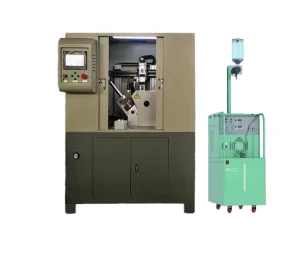
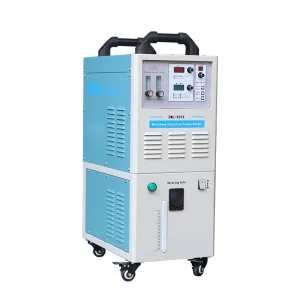
DML-V03CD Plasma Powder Surfacing Machine

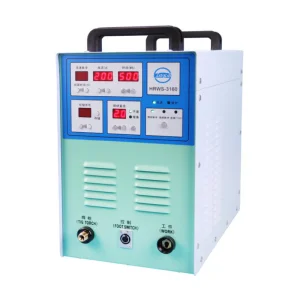
A high-precision surfacing system designed for alloy powder deposition, offering stable arc control and fine layer thickness adjustments.
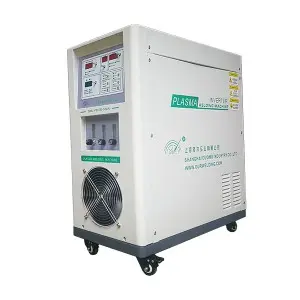
DML-V03CD Plasma powder surfacing machine

Integrated Multifunctional PTA Systems

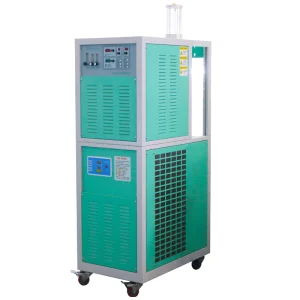
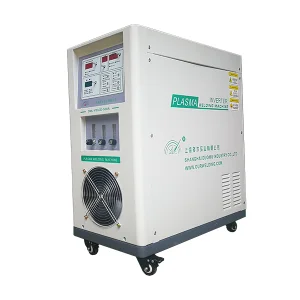
A self-contained platform (including dml-v03bd) featuring built-in gas regulation, power supply unit, and cooling systems in a single console.
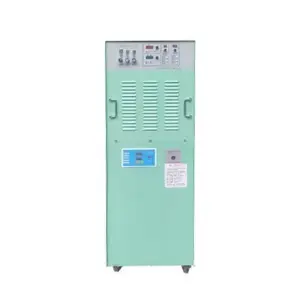
Integrated plasma powder welding machine

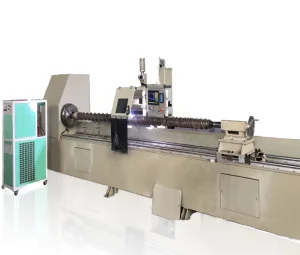
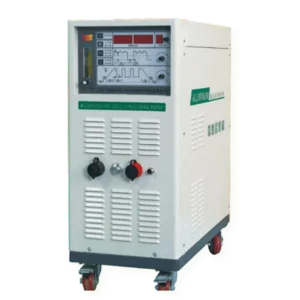
Multifunctional Plasma Powder Welding Machine

Configurable for diverse surfacing geometries, allowing operators to switch between ID bore lining and OD shaft hardfacing.
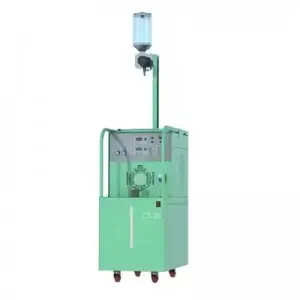
Multifunctional plasma powder welding machine

Laser Cladding Machine for Blades

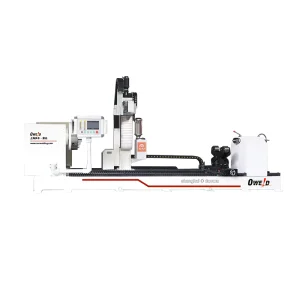
Specially developed multi-axis motion station for precise energy input, protecting critical geometry on impeller blades.
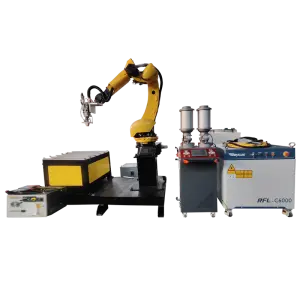
Laser cladding machine for blades

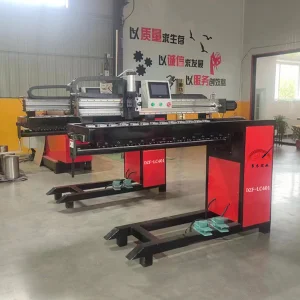
DQF-LC602 Ball Valve Welding Equipment

Automated turning positioning device paired with optimized oscillation movements for uniform, porosity-free valve seat overlays.
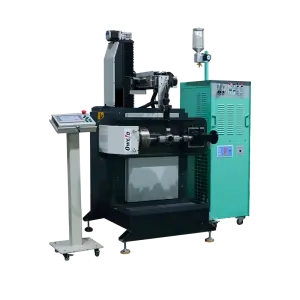
Ball Valve Automated Welding Equipment DQF-LC602

Laser Hardening & Cladding Robot

An articulated robotic arm integrating laser optics for flexible repair geometries on heavy industrial parts.
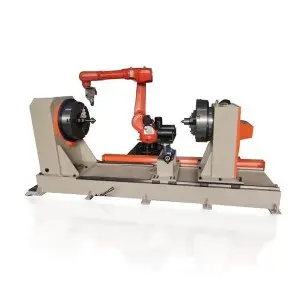
Laser hardening robot
Supply Chain Efficiency

China Factory & Global Integration Advantages

How Shanghai Duomu pairs regional manufacturing clusters with international standards to benefit your operations.

10+
Years R&D Experience
5%
Max Dilution Rates
100%
In-House QA Testing
24h
Global Engineering Support

The manufacturing ecosystem in China offers specific advantages for global industrial buyers. By sourcing components like copper nozzles and tungsten electrodes within close regional proximity, we control production costs while maintaining design flexibility.

Our facility handles the entire production process under one roof—from raw steel fabrication of multi-axis gantry positioners to the assembly of high-frequency power controllers. This centralized integration cuts lead times for custom builds down to weeks instead of months, ensuring faster turnaround times for critical factory repairs.

Localization Support & Compliance Standards

For international operators, purchasing machinery requires strict adherence to local safety regulations. Our export division ensures that all electrical systems and pressure vessels comply with standard global frameworks:

  • CE Certification: Fully compliant safety guard designs, electrical isolation panels, and emergency stop circuits for the European Union.
  • ASME & ISO Standards: Hardfacing procedures and structural welding frameworks aligned with international codes.
  • PLC Interface Localization: Integrated control systems (Siemens, Delta, or Beckhoff) pre-configured with multilingual interfaces (English, Spanish, German, Russian) for simple local integration.

We supply remote installation assistance, detailed calibration protocols, and step-by-step video training files to get your shop running quickly with minimal downtime.

Global Inquiry Channel

For pricing tables, electrical customization, or complete system parameters, reach out to our team. We provide technical quotes within 24 hours.

Technical Library

Articles & Hardfacing Knowledge Base

Practical engineering insights covering wear profiles, dilution control, and valve seat overlay processing.
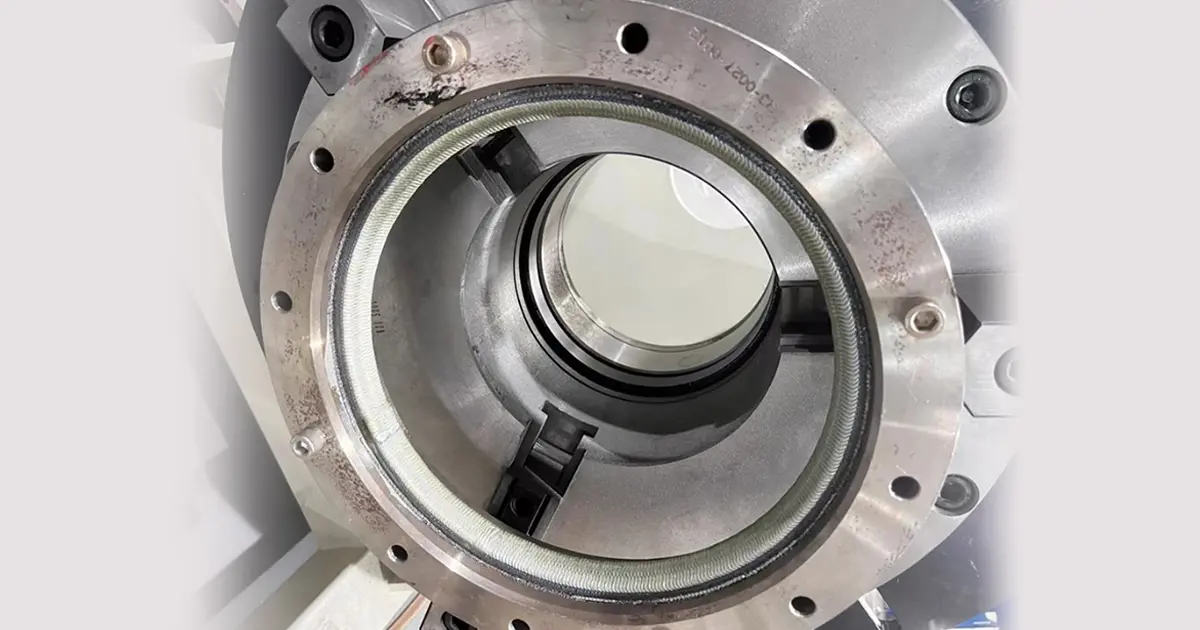
"The PTA Welding Valve Application Guide is not just a process choice for valve manufacturers facing high wear, high corrosion, and high-temperature erosion working conditions, but also a key path to improving product competitiveness. As industries such as petrochemical..."
Valve Cladding Guide

PTA Valve Guide

Application Insight

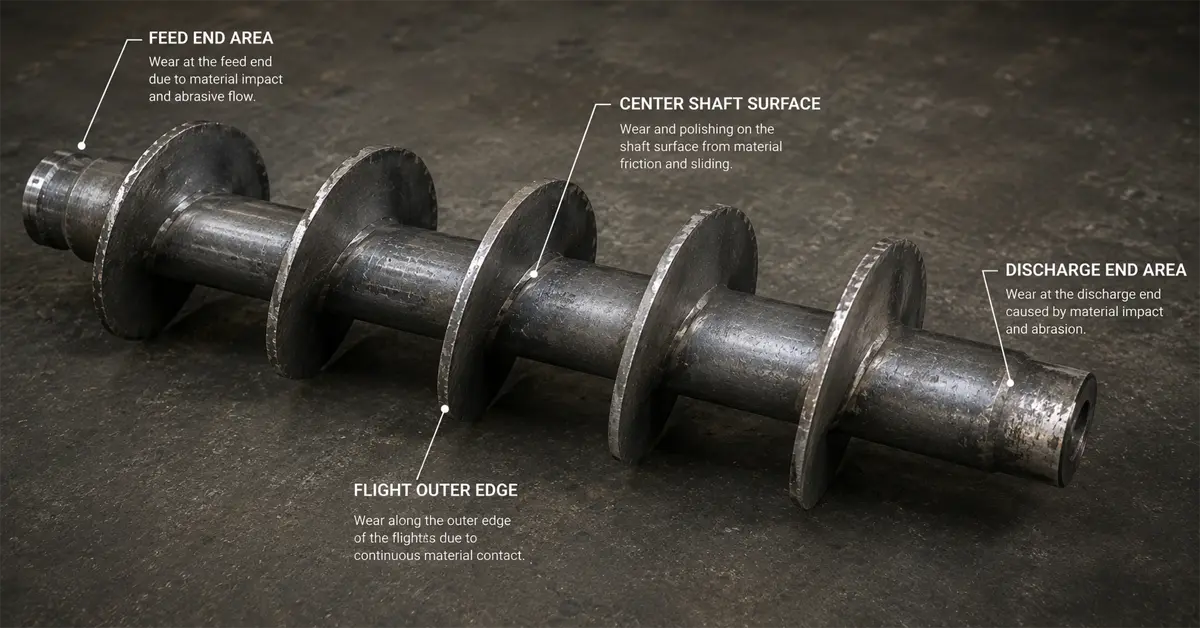
"In industries such as mining, cement, power generation, steelmaking, chemical processing, and biomass energy, screw conveyors are often regarded as auxiliary equipment. However, maintenance data shows that they are among the most frequent causes of unplanned production..."
Screw Conveyor Repair

Screw Conveyors

Wear Prevention

"In Plasma Transferred Arc (PTA) hardfacing, achieving a high-quality overlay is not only about selecting the right alloy powder or optimizing welding parameters. One of the most critical factors that directly affects overlay performance is the dilution rate. Whether you..."
Dilution Rate Optimization

Dilution Rate Control

Process Engineering

FAQ

Engineering & Procurement FAQ

Answers to technical questions regarding PTA, laser cladding, system configurations, and customization options.

What are the main differences between Laser Cladding and PTA Cladding?
Laser cladding uses a focused laser beam as the heat source, offering a very narrow Heat-Affected Zone (HAZ), low thermal distortion, and dilution rates under 2%. PTA cladding uses a plasma arc, which provides slightly deeper penetration and higher deposition rates. This makes PTA highly cost-effective for thick, heavy-duty wear overlays, while laser cladding is ideal for precise, low-distortion applications.
How does dilution rate impact the service life of hardfaced components?
Dilution refers to the mixing of the base metal with the deposited cladding alloy. If dilution is too high (e.g., above 15%), the base steel dilutes the alloying elements (like cobalt, chromium, or tungsten carbide), reducing the hardness and wear resistance of the surface layer. Low dilution rates (under 5%) ensure that the cladding layer retains its full engineered properties in a single pass.
Can these systems be customized for internal diameter (ID) bore cladding?
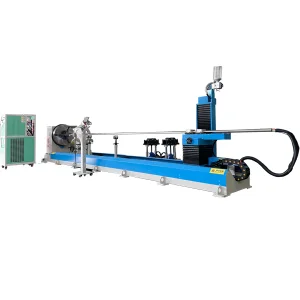
Yes. We design and build dedicated inner hole cladding machines, such as the DSL-LC401. These systems feature specialized internal diameter torches and automated depth feeds to apply uniform wear overlays inside narrow pipes, barrels, and cylinders.
What materials can be run through the powder feed system?
Our powder feeders are designed to handle spherical gas-atomized powders, including Nickel-based alloys, Cobalt-based alloys (Stellites), Iron-based alloys, and Tungsten Carbide (WC/Ni or WC/Co) blends. These materials are used to provide targeted protection against abrasion, impact, or high temperatures.
How does the technical department support international commissioning?
Shanghai Duomu provides complete support documentation, remote digital diagnostics, and guided video setups. For large-scale automated lines (such as double column gantry systems), we arrange field commissioning and operator training to ensure smooth integration on your production floor.

Need a Custom Cladding Configuration?

From deep-hole torches to customized automatic gantry systems, our engineers design equipment tailored to your exact production demands.