Explore our top-tier customized robotic laser cladding and high-performance plasma arc welding equipment engineered for extreme duty cycles.
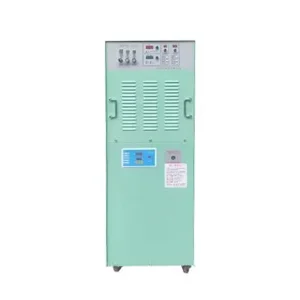
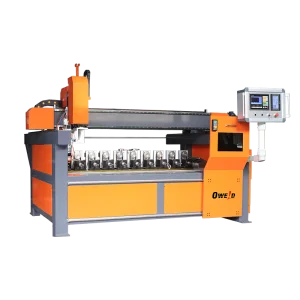
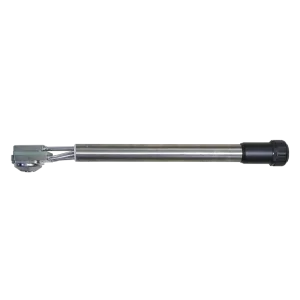
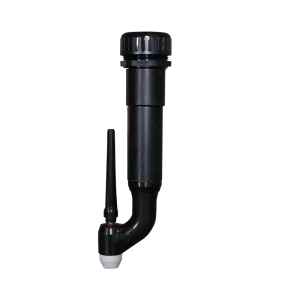
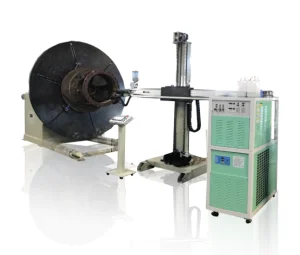
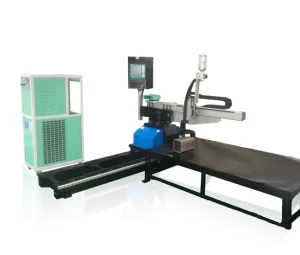
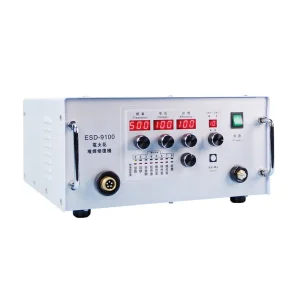
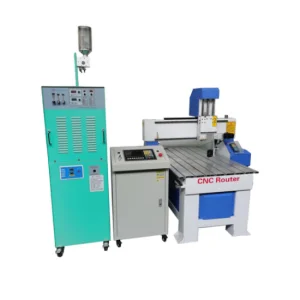
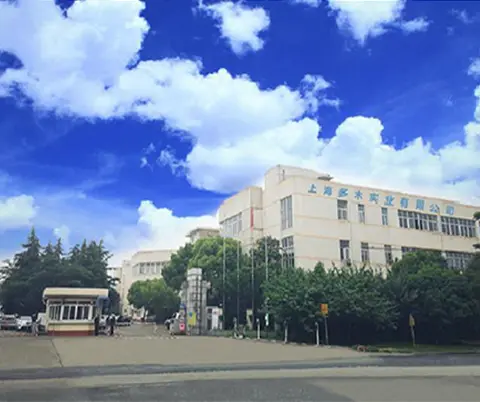
Shanghai Duomu has been a leading manufacturer and exporter of PTA cladding machines and Laser cladding systems for more than ten years, backed by a formidable technical background. Our dedication to research and development allows us to provide industry-grade surface modification solutions that solve severe wear, high erosion, and corrosive degradation challenges in heavy machinery.
"Our robotic systems integrate multi-axis kinematic control with high-precision fiber laser delivery to achieve dense, defect-free coatings with metallurgical bonding strengths exceeding 400 MPa."
We maintain an independent R&D team that develops, produces, and sells both plasma and laser cladding equipment. Our power sources maintain stable voltage output even during continuous 24/7 industrial shifts. This makes our solutions highly favored for large-scale remanufacturing projects in mining, maritime transport, and steel plant operations.
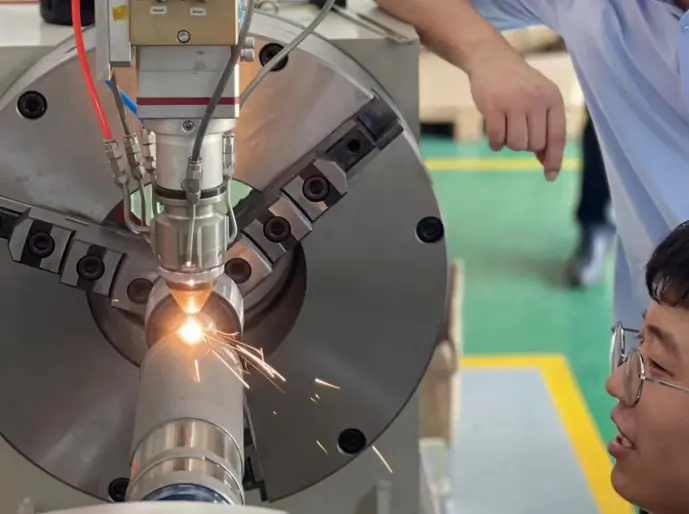
Modern additive manufacturing requires seamless coordination between the optical head, powder feeder, cooling system, and robot kinematics. Our technical department offers complete sets of industrial solutions tailored to direct metallurgical needs. By engineering our own controllers and high-precision powder feeders, we minimize powder waste and control dilution rates to under 5%.
Our solutions aren't just off-the-shelf machinery. We design customized robotic paths, optimize laser focal arrays, and program complex deposition strategies for complicated geometries such as turbine blades, extruders, and drilling mandrels.
How Chinese manufacturers combine supply chain depth, raw cost efficiencies, and advanced software integration to deliver premium global value.
From high-power fiber laser sources and chiller units to robust gantry frames and robotic positioners, China's industrial clusters enable rapid components sourcing. This lowers lead times for custom-built 6-axis cladding cells down to 45–60 days.
Unlike Western OEMs that charge excessive premiums for customization, our Shanghai facilities specialize in modifying workspace parameters, incorporating dual PTA/Laser heads, and adapting CNC controllers to your shop floor's specific PLC environment.
By using locally refined software interfaces and optimized hardware configurations, Chinese laser cladding systems achieve the same metallurgical cladding properties (hardness up to 65 HRC with cobalt-based powders) at 40-50% less capital expenditure.
Laser cladding, a key subset of Directed Energy Deposition (DED), has emerged as the premier method for surface enhancement and remanufacturing of expensive industrial components. Traditional welding processes like MIG/TIG or thermal spraying suffer from high thermal input, excessive dilution, or poor bonding strengths. By contrast, a custom robotic laser cladding system relies on a concentrated coherent light source to melt both the substrate surface and the injected metal powder simultaneously. This results in a dense metallurgical bond with minimal heat-affected zones (HAZ).
In hardfacing, dilution refers to the mixing of the base metal into the clad layer, which changes the chemical composition and can degrade the wear-resistant properties of the coating. For instance, cladding Stellite 6 (cobalt-chromium alloy) onto structural carbon steel requires low dilution so the protective alloy retains its nominal hardness. Our robotic laser systems feature real-time CNC parameter adjustments—modifying laser power density, scanning speed, and powder mass flow rates—to keep dilution under 5%. This ensures that even the first deposited layer performs at full chemical specifications, saving raw material costs and reducing overall processing time.
While Laser Cladding provides the absolute minimum heat input and thinnest cladding layers (0.5mm to 2mm per pass), Plasma Transferred Arc (PTA) cladding remains highly efficient for thicker deposits (up to 6mm per pass) and larger surface areas. PTA operates with a constricted arc plasma gas source and uses alloy powders similarly. At Shanghai Duomu, we develop hybrid systems that combine the precision of Laser Cladding with the high-deposition throughput of PTA, allowing procurement officers to choose the optimal technology based on mechanical component geometry and wear metrics.
Our solutions cater directly to operations that experience heavy abrasive and erosive wear. In the coal mining sector, shearer loader picks are treated with iron-based tungsten carbide powders, extending their service life up to three times. In hydraulic cylinder maintenance, replacing chromium electroplating with eco-friendly laser-clad nickel-chrome or stainless steel powders prevents early peeling under corrosive marine environments, avoiding environmental regulatory penalties and enhancing component MTBF (Mean Time Between Failures).
Our engineered cladding systems are widely adopted across heavy industries to restore critical parts and extend mechanical lifespans.



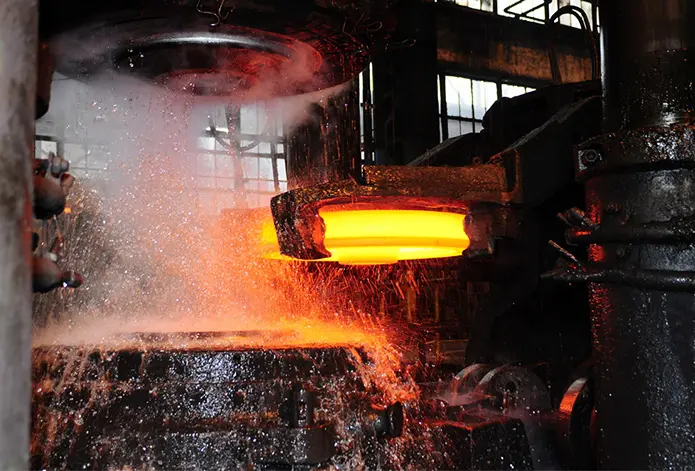
Key considerations for global operations managers and the future roadmap of robotic additive manufacturing.
When selecting a system, evaluate the integration of the cooling cycle, PLC interfaces (EtherCAT/Profinet support), and laser head optics protection. Our systems feature dual-chamber powder feeders that allow continuous refills without stopping operation, maximizing processing uptime.
The industry is moving toward real-time melt pool monitoring. By integrating dual-wavelength pyrometers directly into the optical path, the laser power automatically adjusts when encountering sharp corners or thin walls to prevent thermal accumulation and localized melting defects.
For rotational components such as shafts and rotors, Extreme High-Speed Laser Cladding (EHLA) melts the powder particles *before* they reach the substrate. This allows surface coverage speeds up to 100 times faster than traditional methods, resulting in very thin, smooth, and crack-free deposits.
Detailed technical case studies and operational insights on wear prevention, dilution rate management, and surface engineering.
The PTA Welding Valve Application Guide is not just a process choice for valve manufacturers facing high wear, high corrosion, and high-temperature erosion working conditions, but also a key path to improving product competitiveness. As industries such as petrochemical, ...
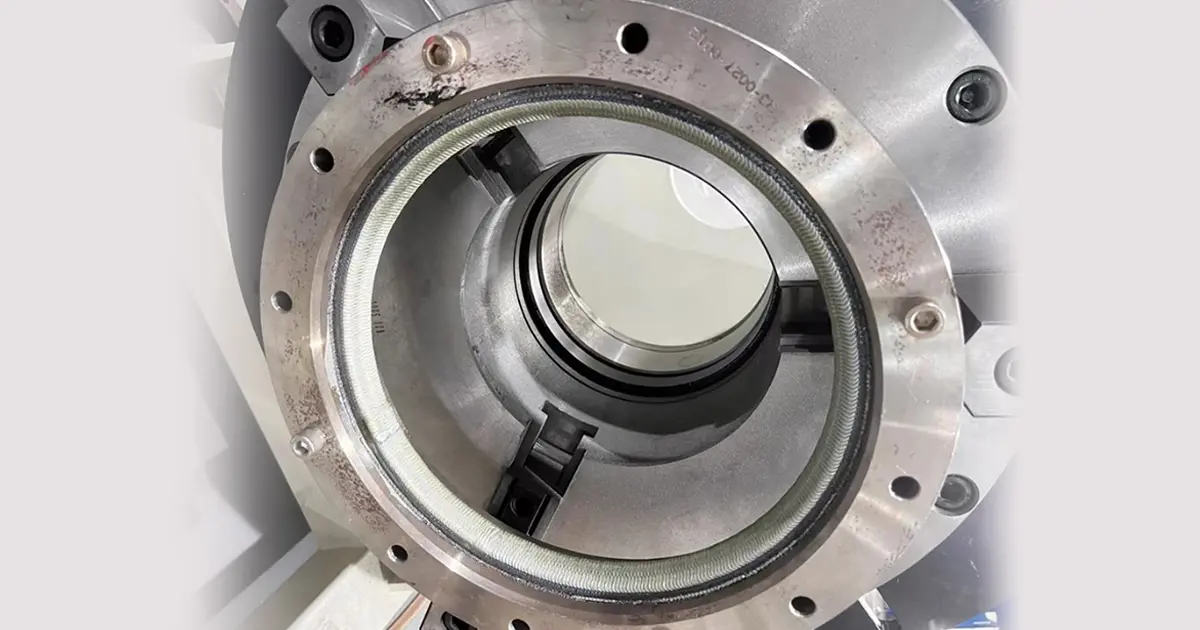
In industries such as mining, cement, power generation, steelmaking, chemical processing, and biomass energy, screw conveyors are often regarded as auxiliary equipment. However, maintenance data shows that they are among the most frequent causes of unplanned production d...
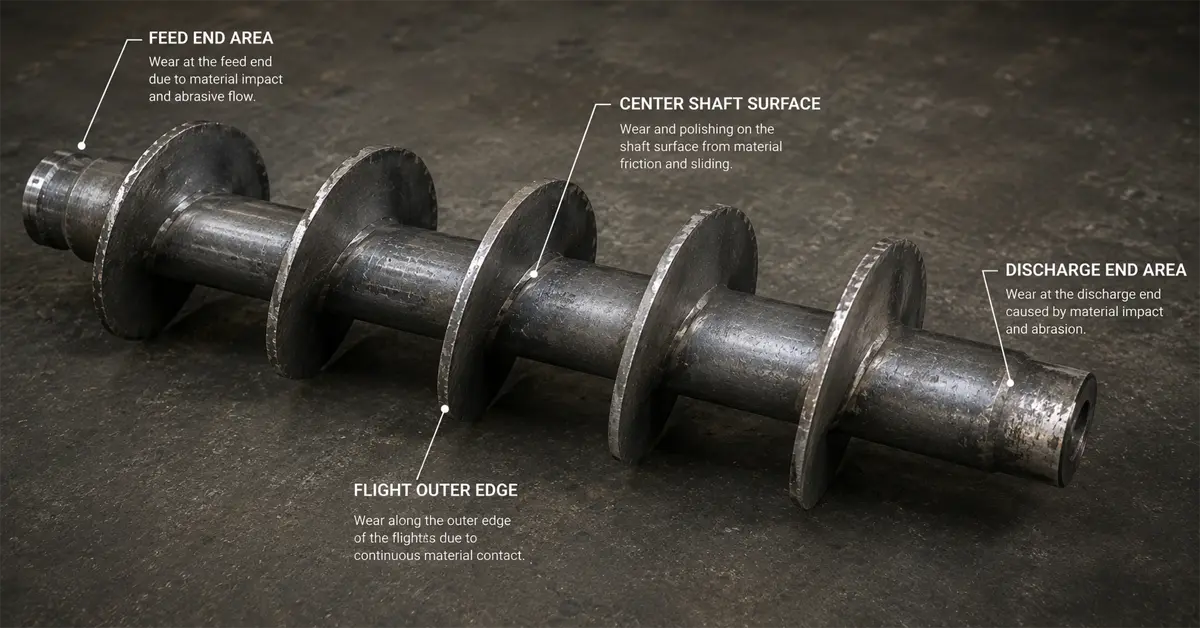
In Plasma Transferred Arc (PTA) hardfacing, achieving a high-quality overlay is not only about selecting the right alloy powder or optimizing welding parameters. One of the most critical factors that directly affects overlay performance is the dilution rate. Whether you ...
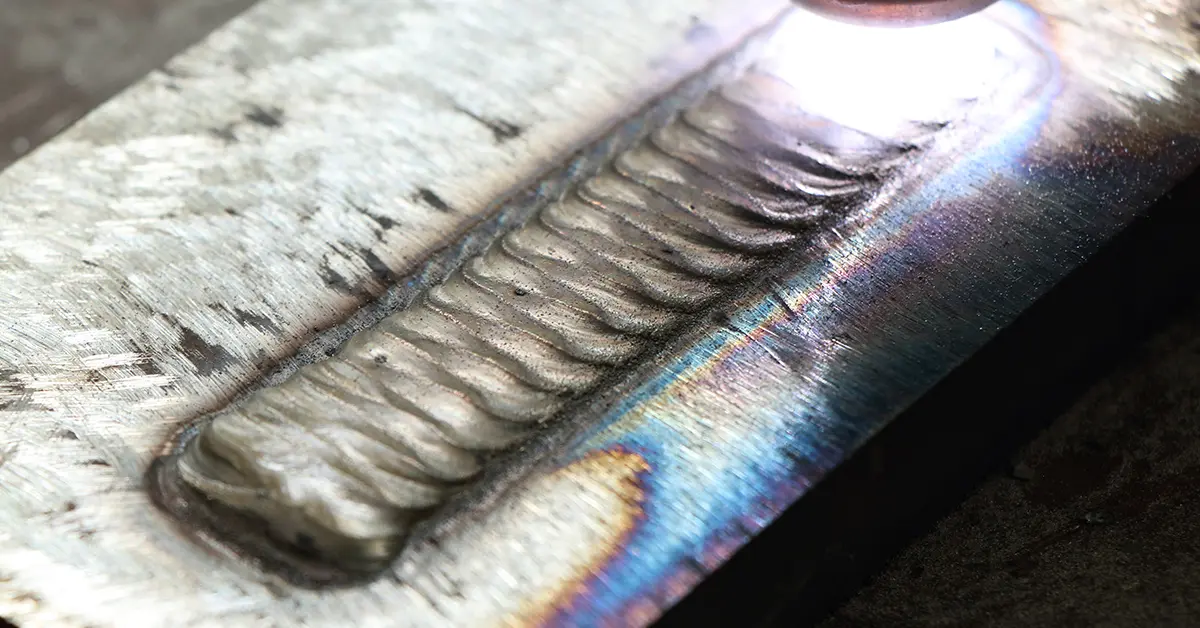
In industries such as Oil & Gas, Mining, Power Generation, Cement, and Heavy Equipment Manufacturing, hardfacing is no longer just a repair process. It has become a critical technology directly related to equipment lifespan, downtime costs, maintenance frequency, and...
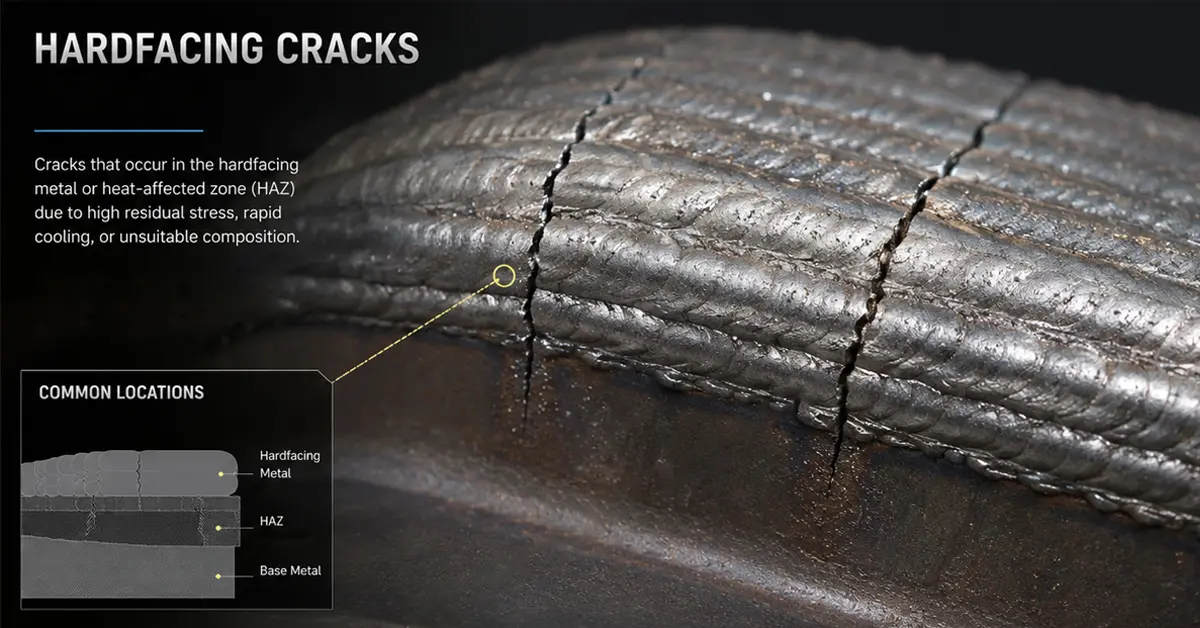
In industries such as oil & gas, petrochemical, power generation, mining, and marine engineering, industrial valves are constantly exposed to severe operating conditions including: - High pressure - Extreme temperatures - Corrosive media - Abrasive wear - Sand e...
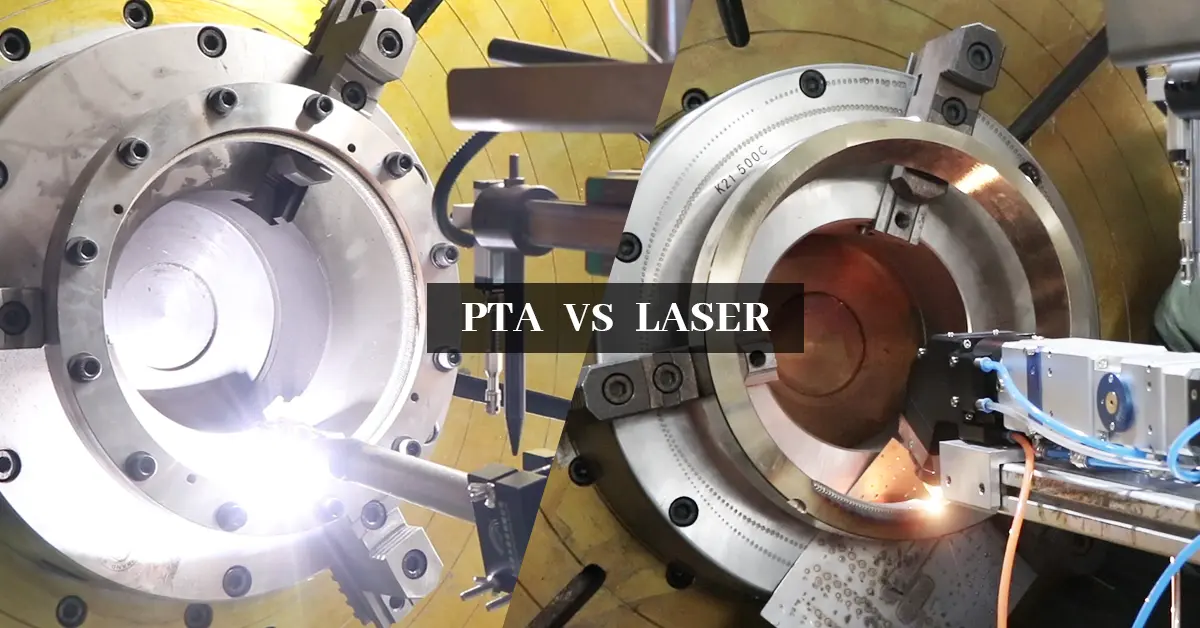
Explore detailed technical answers to key questions asked by surface engineering procurement managers and metallurgical process designers.
High-precision linear platforms, multi-axis positioners, and customized laser cladding cells for targeted structural restoration.
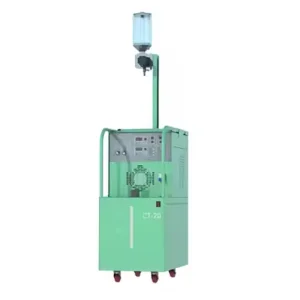
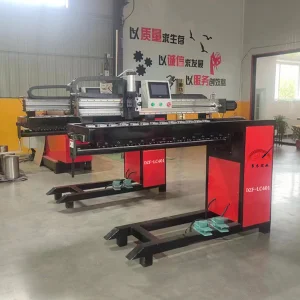
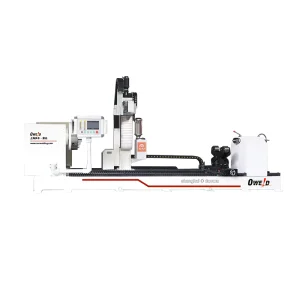
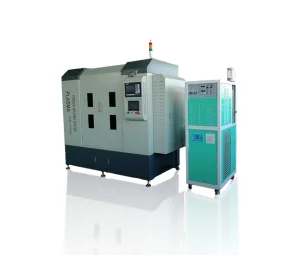
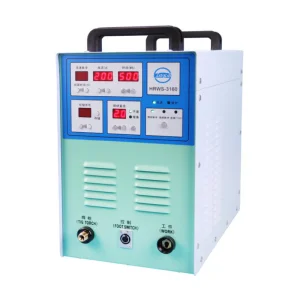
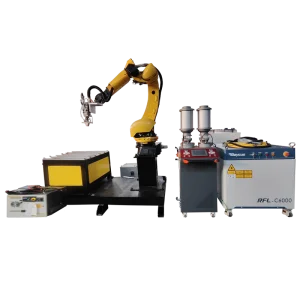
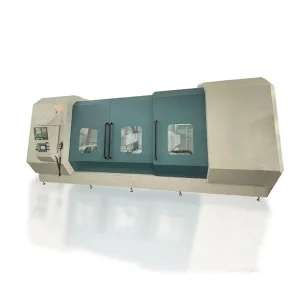
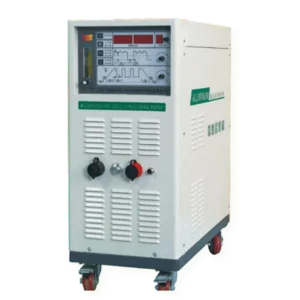
Whether you require a gantry system for large turbine shafts or an integrated robotic cell for production components, our technical team will configure a layout designed for your throughput. Receive a detailed metallurgical and system design proposal within 24 hours.
Request Engineering Proposal







 Duomu
Duomu