Engineered for extreme wear resistance, precision cladding, and demanding aerospace, petroleum, and industrial requirements.
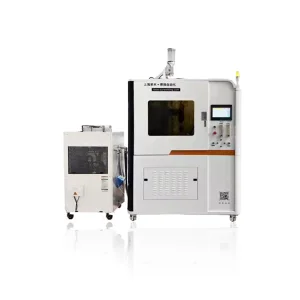
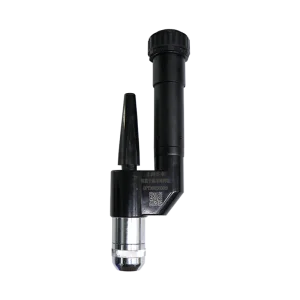
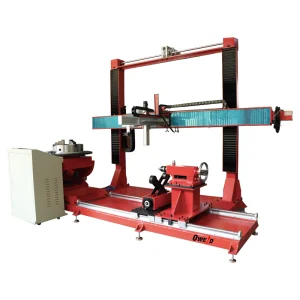
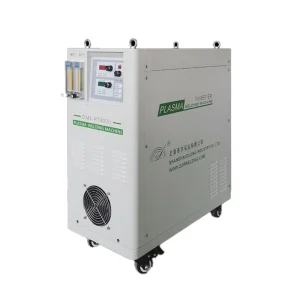
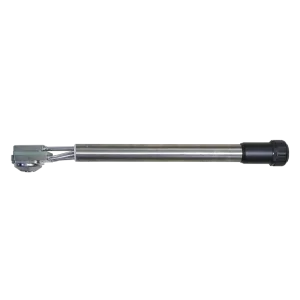
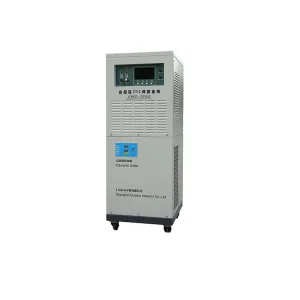
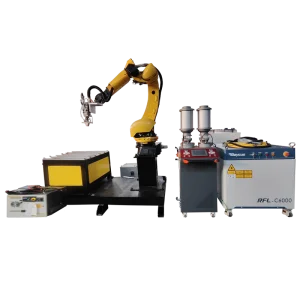
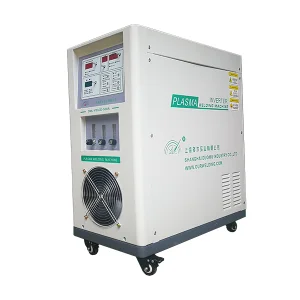
In modern global manufacturing, critical structural components in petroleum, aerospace, and energy sectors face extreme operating environments. Classic manual Tungsten Inert Gas (TIG) welding, while highly accurate, cannot scale to meet the throughput, repeatability, and metallurgical dilution criteria demanded by modern industrial engineering. As a result, automated TIG Schweißen and allied overlay processes like Plasma Transferred Arc (PTA) and Laser Cladding have transitioned from niche techniques to mainstream manufacturing standards.
For procurement officers and technical directors in multinational enterprises, sourcing customized systems is no longer just about joining metals; it is a calculation of Lifecycle ROI. Components must withstand high pressures, temperature extremes, and aggressive corrosive or abrasive wear. Achieving zero-defect joints with minimal dilution and thermal damage is critical to preventing unscheduled shutdowns that cost millions in lost operational hours.
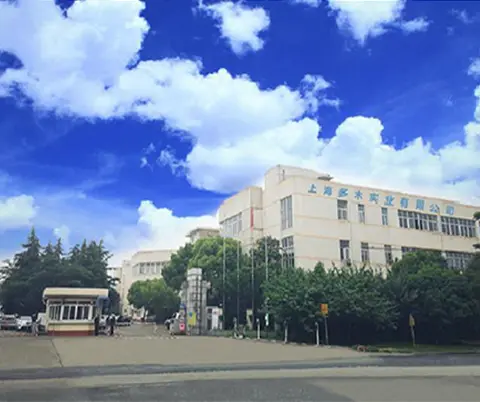
Our high-precision PTA, laser cladding, and TIG welding systems are integrated into critical manufacturing pipelines globally.

Enhancing wear life on ground-engaging tools, tillers, and components subjected to constant abrasive contact with soil and rocks.

Delivering high-reliability welds on superalloys, turbine blade profiles, and specialized defense structures requiring strict compliance.
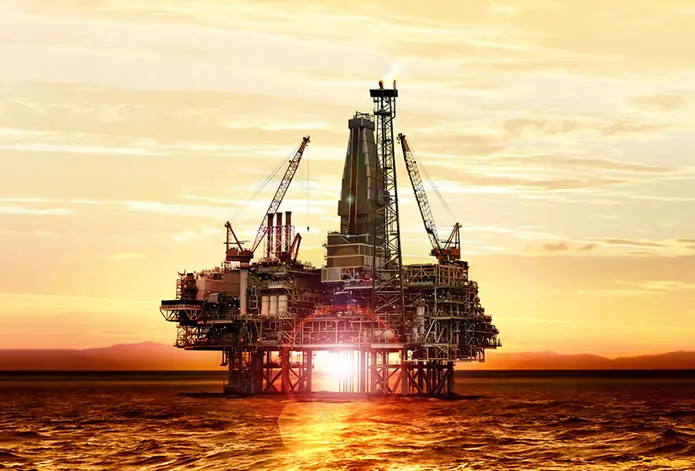
Preventing downtime in oil and gas pipelines, drilling stabilizers, and valve interfaces exposed to hydrogen sulfide and corrosive media.
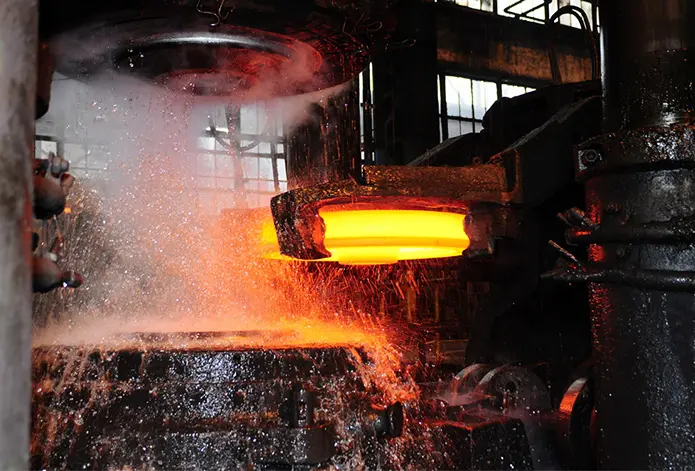
Extending the operating lifespan of continuous casting rolls, extrusion dies, and heavy forging molds under extreme thermal fatigue.
Compare processes to optimize your capital expenditures and meet material performance targets.
| Weld / Cladding Process | Thermal Input & HAZ | Typical Dilution Rate | Deposition Speed / Efficiency | Primary Industrial Use Case |
|---|---|---|---|---|
| Custom TIG / S-TIG Schweißen | Moderate to High | 10% – 15% | Moderate (Highly focused precision) | Critical structural joints, precision tubes, aerospace structural parts. |
| Plasma Transferred Arc (PTA) | Moderate | 3% – 8% | High (3 - 12 kg/hr) | Hardfacing valves, hydraulic rods, mining picks, screw flights. |
| Laser Cladding (LMD) | Ultra-Low | < 5% (Often < 2%) | High (Precision localized cladding) | Turbine blades, high-precision shafts, localized tool repair. |
| EDM Cladding Repair | Negligible (Micro-heat) | ~ 0% (Mechanical/Diffusive bond) | Low (Micro-precision) | Mold & die local repairs, micro-defects restoration. |
The **SWS1000 S-TIG** platform represents a significant advancement in automated GTAW/TIG technology. By modifying the arc characteristics with high-frequency pulsing and proprietary shielding gas configurations, our S-TIG system achieves deep penetration while mitigating grain growth in the heat-affected zone (HAZ). This is critical when working with crack-sensitive nickel-based superalloys or high-strength duplex steels used in global pipeline infrastructures.
Furthermore, managing the **dilution rate** during overlay processes determines the wear resistance of the deposited layer. A high dilution rate mixes the base metal into the overlay alloy, reducing its hardness and corrosion resistance. Our PTA and Laser Cladding systems feature closed-loop parameter controls that maintain dilute-layer performance, ensuring that even thin coatings provide the required metallurgy.
Our technical capabilities ensure that our clients maintain a competitive edge.
We do not just assemble off-the-shelf components. Our dedicated R&D engineering team designs, tests, and manufactures our own plasma torches, CNC gantries, and power modules, guaranteeing long-term replacement parts availability.
Industrial machinery downtime is costly. We provide rapid diagnostic response times, virtual debugging, and on-site expert dispatching to keep your factory floor running efficiently.
Our machinery and process designs align with EN ISO 3834 and ASME Sec IX guidelines, simplifying qualification and certification tasks for your engineering department.
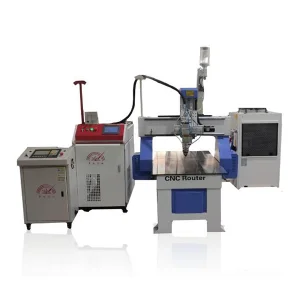
From complex internal bore torches for petrochemical valves to multi-axis gantry cladding cells for large excavator cylinders, we build systems tailored to your production geometries.
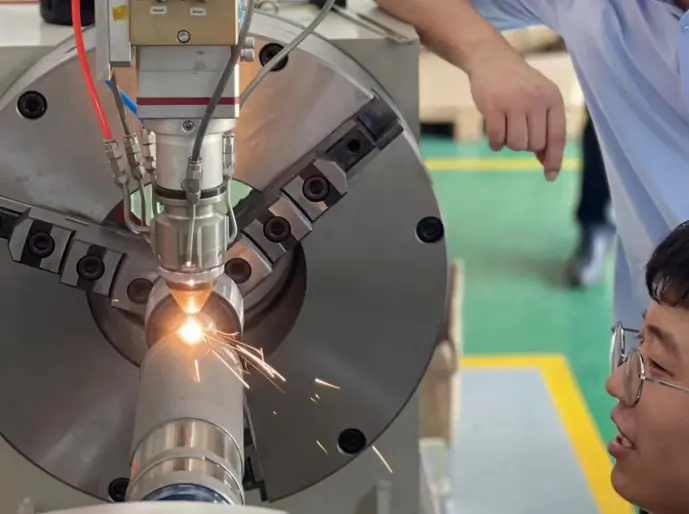
Shanghai Duomu has been a leading manufacturer and exporter of PTA cladding machines and Laser cladding machines for more than ten years with a strong technical background. Our independent R&D team develops, produces, and sells plasma cladding machine equipment with stable performance designed to maintain efficient long-term operations.
In addition, our laser cladding equipment supports large-scale remanufacturing projects. We utilize mature technological methods to provide complete sets of industrial equipment solutions, keeping our systems at the leading edge of precision engineering.
Future Technological Goals:
We design and build specialized hardware tailored to unique structural geometries and operating environments.
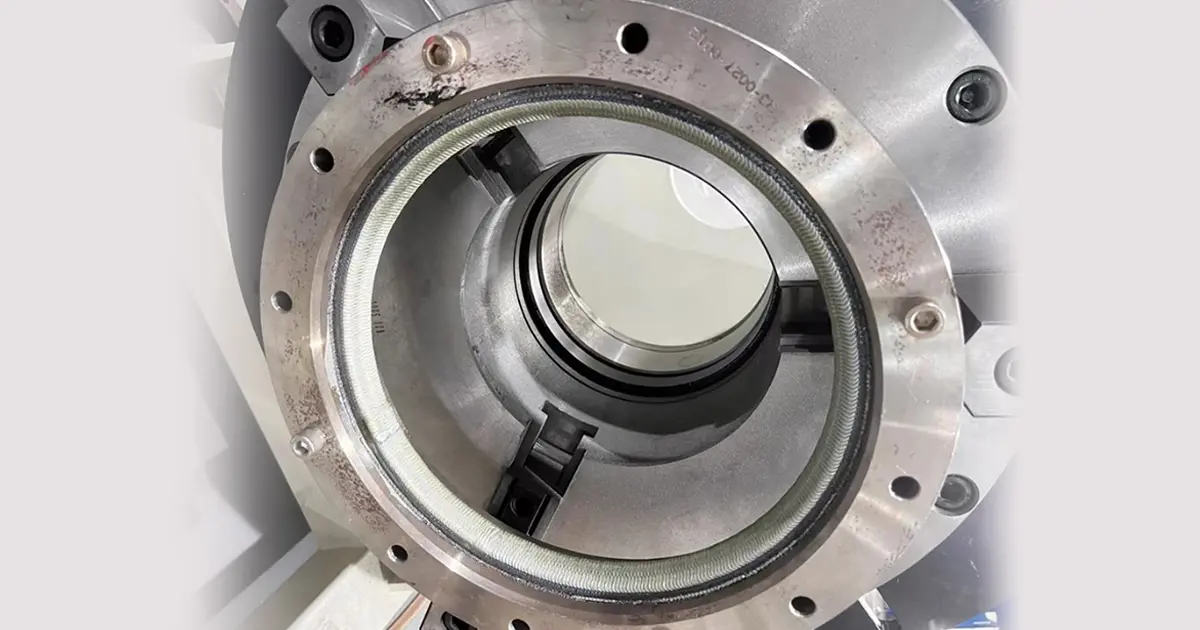
Valve manufacturers facing high wear, corrosion, and high-temperature erosion conditions use our systems to apply cobalt-base (Stellite) or nickel-base alloys to seat surfaces. This process extends the lifecycle of oil and gas gate valves and petrochemical controls.
Our automated hydraulic rod cladding machinery applies consistent overlays on long cylinders. These systems replace traditional chrome plating methods that pose environmental hazards, providing better corrosion protection under harsh marine and mining conditions.
Mining operations rely on tungsten carbide hardfacing to protect cutting picks. Our automated DJC-LC305 system applies durable hard coatings that extend the working life of mining picks, reducing tooling costs and machine downtime.
Feedback and application experiences from engineering professionals utilizing our hardfacing technologies.
"The PTA Welding Valve Application Guide is not just a process choice for valve manufacturers facing high wear, high corrosion, and high-temperature erosion working conditions, but also a key path to improving product competitiveness. As petrochemical industries demand longer lifecycles, Shanghai Duomu's systems deliver the precision required."
 Valve Manufacturing Division
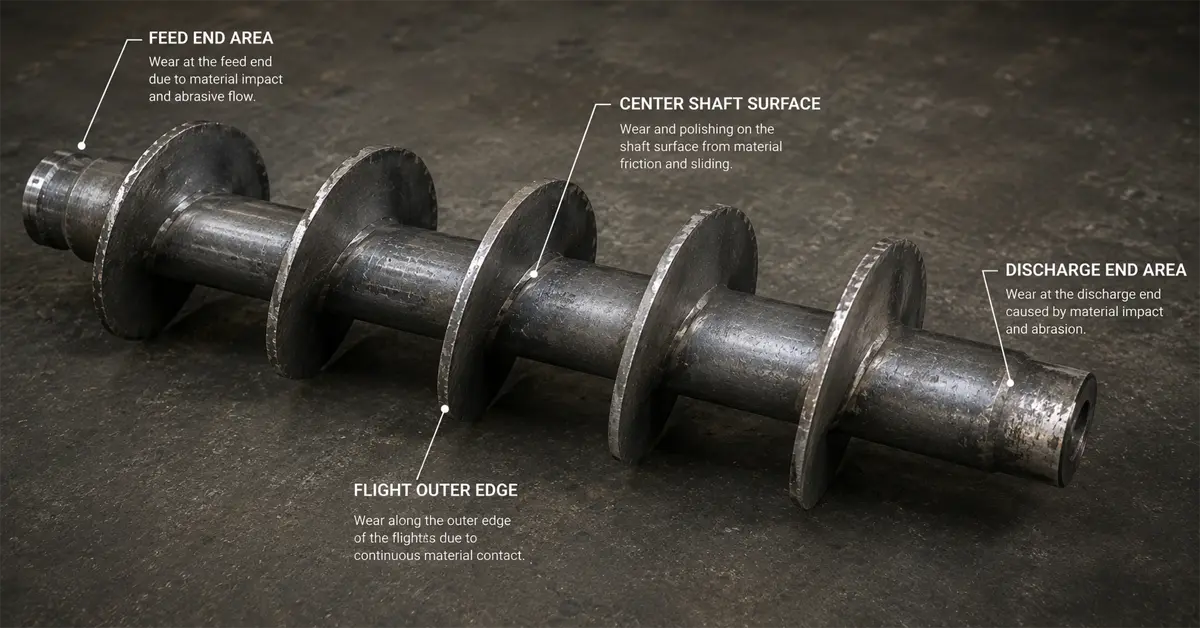
"In mining, cement, and power generation, screw conveyors are critical process components. Maintenance data shows that wear on these parts is a frequent cause of unplanned downtime. Hardfacing conveyor flights with Duomu's automated PTA systems has reduced our replacement intervals significantly."
 Bulk Materials Handling Corp
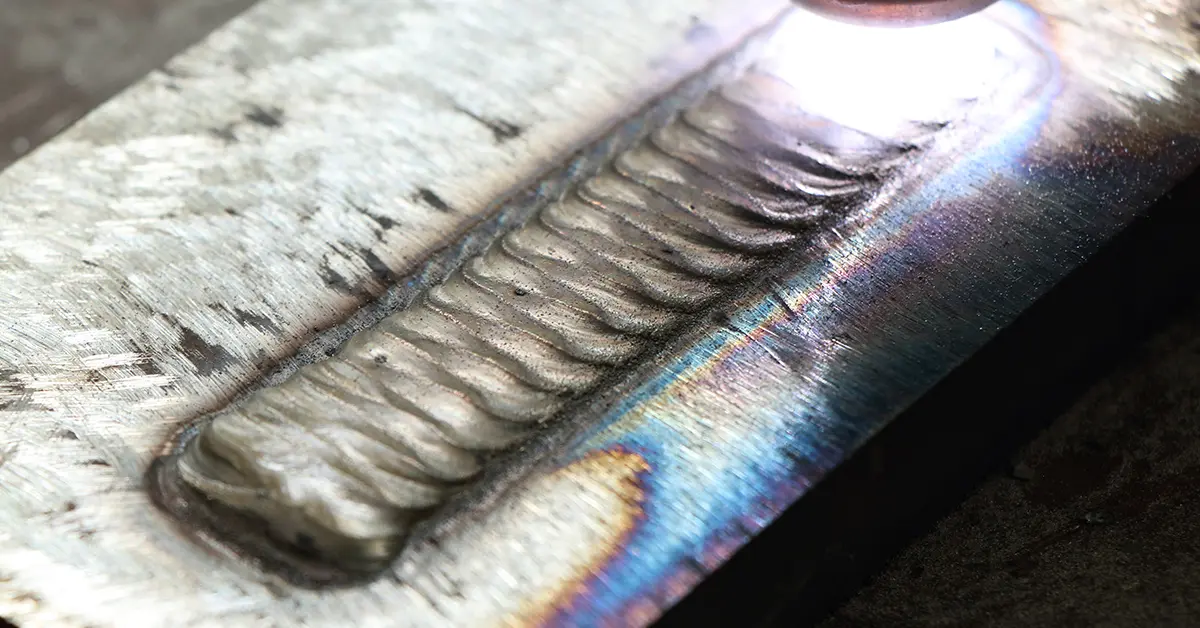
"In PTA hardfacing, achieving a high-quality overlay depends on managing dilution. A low dilution rate is critical to keeping the chemical properties of the overlay alloy intact. Working with Duomu's engineering team allowed us to optimize our dilution rates for marine components."
 Marine Propulsion Systems
Technical answers regarding TIG Schweißen, PTA cladding, and custom machine configurations.
S-TIG (such as the SWS1000) automates the process and modifies the electric arc using high-frequency controls. This results in deeper weld penetration, reduced heat-affected zones, and more consistent weld quality compared to manual processes, which are prone to operator fatigue.
Dilution refers to the mixing of the base metal and the cladding powder or wire. A high dilution rate mixes the base metal into the protective overlay, reducing its wear resistance. Our PTA and Laser systems are designed to keep dilution under 5% to preserve the properties of the coating material.
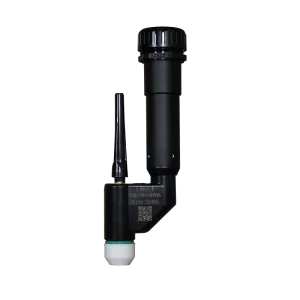
Yes. Specialized tooling like our DNPT50019-HQ Internal Plasma Bore Torch is built to execute precise internal diameter cladding. This configuration is widely used to line oilfield components, valve blocks, and heavy engine cylinders.
Our equipment handles a variety of alloys, including cobalt-base (Stellite), nickel-base, iron-base alloys, and tungsten carbide composites, feeding them as either wire or spherical powder, depending on the application.
Laser cladding provides lower thermal input and minimal heat distortion, making it suitable for thin-walled parts and precision shafts. PTA cladding offers higher deposition rates and lower overall capital equipment costs, making it popular for heavy industrial wear parts.
Yes, our technical team provides worldwide installation support, parameter optimization, and staff training to ensure your operators can run the automated equipment safely and efficiently.
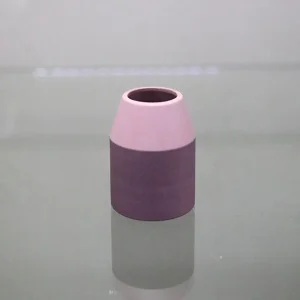
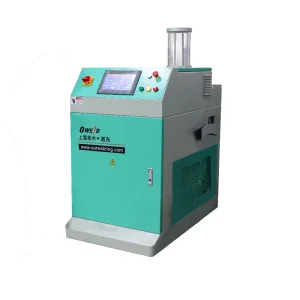
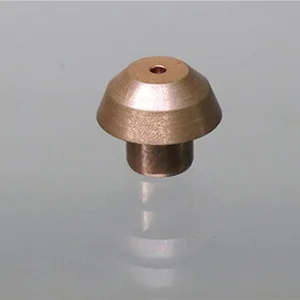
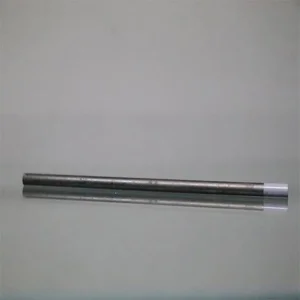
Engineered high-performance machinery, specialized torches, and wear-resistant accessories.




For inquiries about our automated welding systems, custom cladding setups, or pricing lists, please submit your contact details and our engineering team will follow up within 24 hours.
 Duomu
Duomu