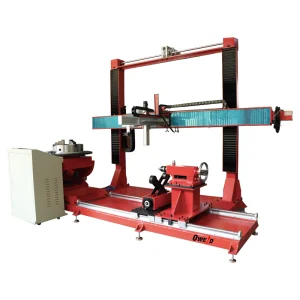
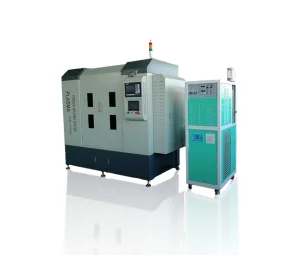
Explore our premium-engineered, multi-axis automatic plasma surfacing platforms and high-precision laser hardening equipment designed for severe industrial service environments.
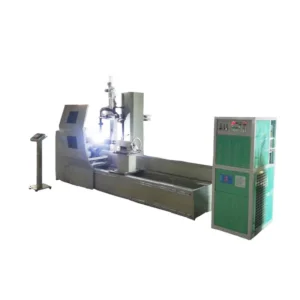
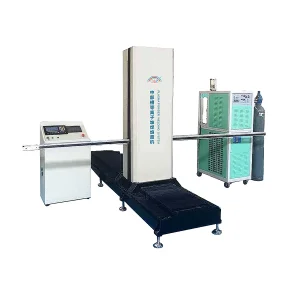
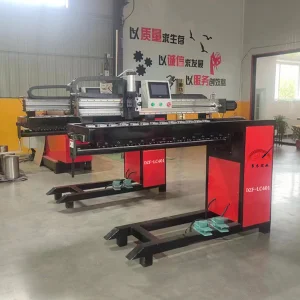
An in-depth look at how advanced surface modification technologies are restructuring modern manufacturing lifecycles, global supply chains, and green economy practices.
Surface degradation due to abrasion, wear, erosion, and corrosion accounts for billions of dollars in losses annually across key global heavy industries. Traditional surface protection methods like thermal spraying lack the critical metallurgical bond necessary to withstand severe impact, while manual arc welding introduces massive thermal loads, warping, and excessive dilution rates (often exceeding 25%) that degrade the quality of expensive wear-resistant cladding materials.
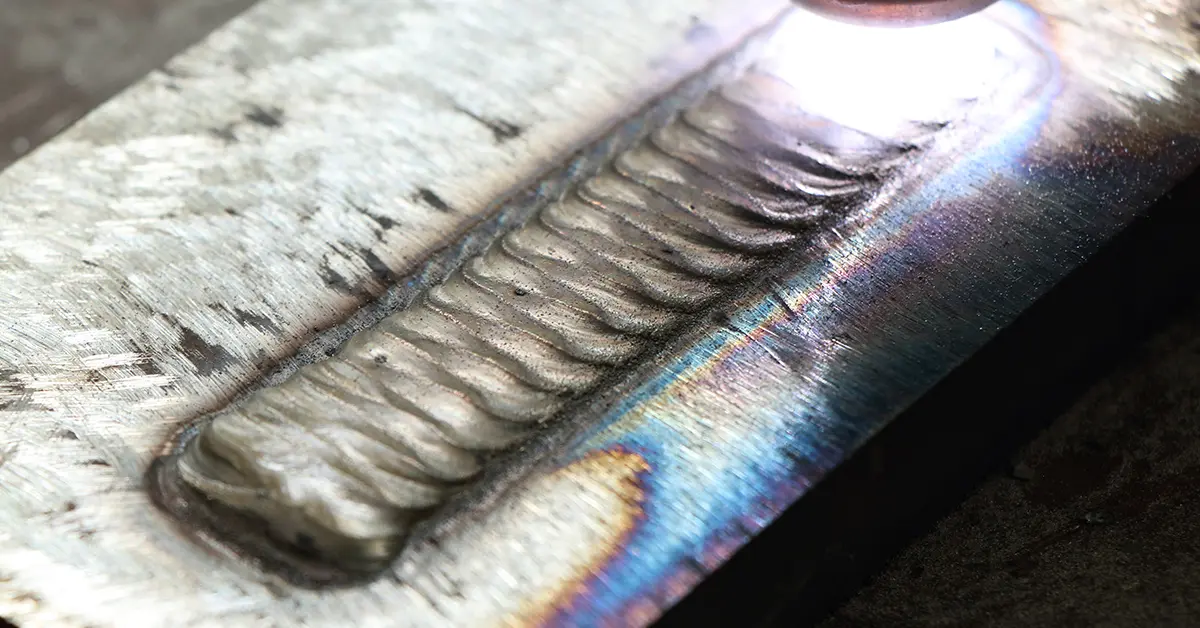
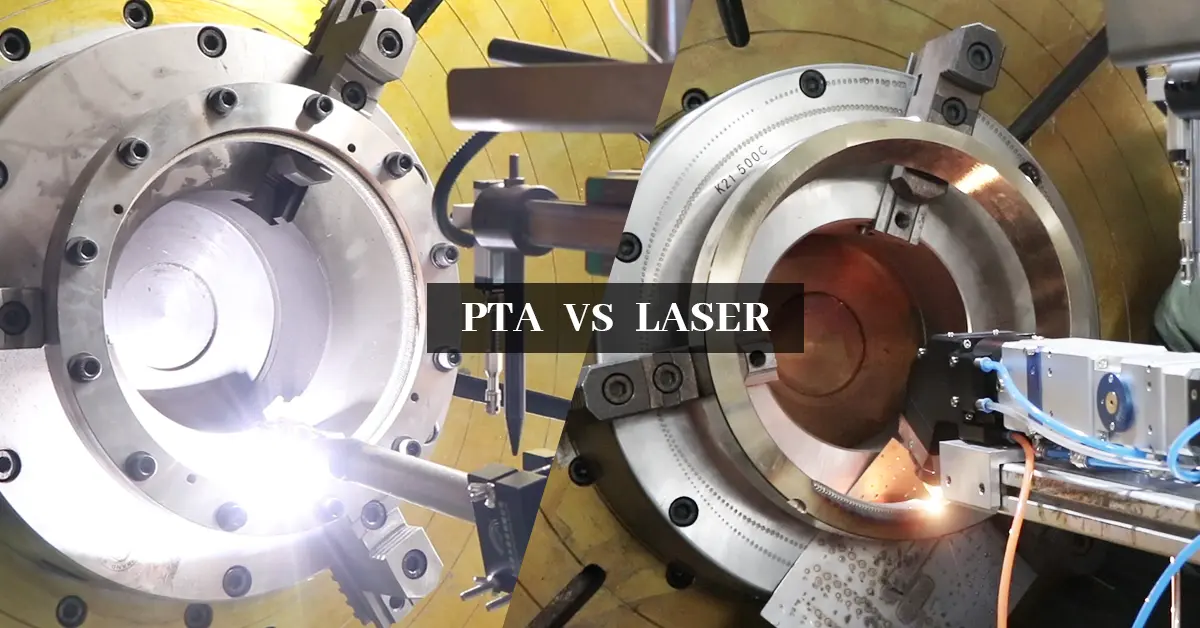
Plasma Transferred Arc Welding (PTAW) has emerged as the premier technology to bridge this gap. Through a collimated high-energy plasma stream, the overlay powder is introduced precisely into the molten pool on the substrate. This ensures a true metallurgical bond while keeping dilution rates within a strict 3% to 8% margin. The heat-affected zone (HAZ) is dramatically smaller than in conventional gas-metal arc welding (GMAW), making PTAW optimal for precision parts, thin walls, and critical engineering assemblies.
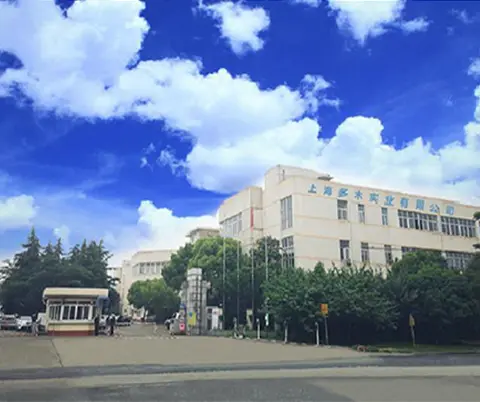
As a global manufacturing hub, China has optimized the entire supply chain and R&D ecosystem for surface modification systems. Shanghai Duomu Technical Department stands at the forefront of this industrial revolution. By combining high-frequency digital inverter power supplies, ultra-precise CNC multi-axis synchronization, and localized automation logic, our systems deliver unprecedented price-to-performance metrics.
Unlike Western manufacturing models facing long component procurement lead times, Shanghai Duomu implements integrated, in-house component assembly, rigorous factory validation testing (FAT), and rapid software customization. Our independent R&D team ensures that whether you require a custom double-column gantry or an integrated robotic laser-hardening system, the turnaround time is reduced by up to 45% without compromising international standards.
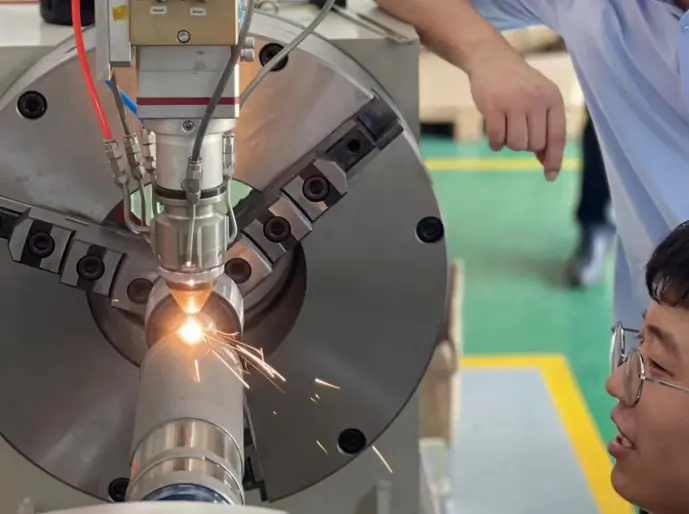
At present, Shanghai Duomu’s products have penetrated into many critical fields including aerospace, military industry, nuclear power, petrochemical, metallurgy, casting, and advanced agriculture.

Cladding on tillers, plowshares, and blades to resist intense soil wear and quartz abrasion, extending operational cycles.

High-precision cobalt-base and nickel-base superalloy repairs on turbine blades, landing gear struts, and aerospace components.
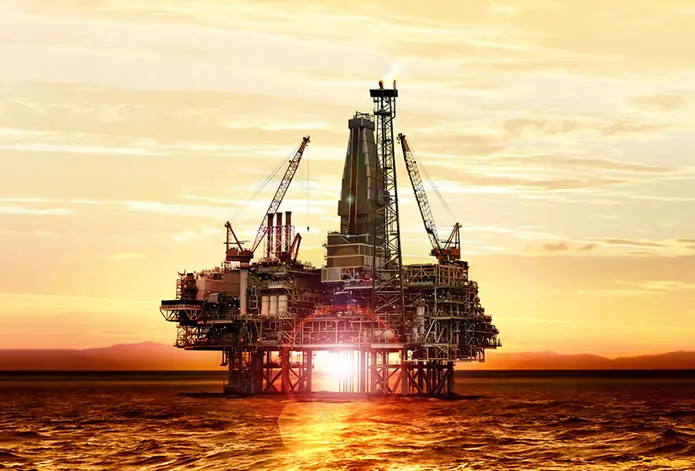
Hardfacing on stabilizers, drill bits, and pump rotors to withstand high-pressure drilling fluids, abrasive sand, and corrosive media.
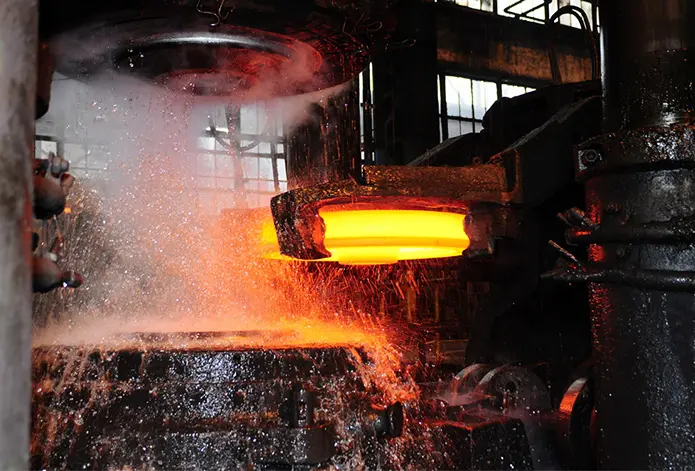
Restoration of massive steel rolls, conveyor rollers, and mold surfaces subject to severe thermal cycling and pressure.
Essential insights for procurement managers, engineering leads, and quality directors looking to deploy PTAW and Laser Cladding systems.
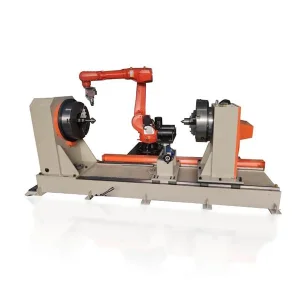
The integration of 6-axis industrial robots with multi-axis positioning turn-tables has transitioned from customized installations to standard requirements. By combining automated CNC control systems with robotic paths, complex shapes such as valve seats, extruder screws, and internal cylinder liners can achieve highly uniform cladding deposit layers with sub-millimeter precision.
With the rise of international ESG (Environmental, Social, and Governance) targets, industrial companies are shifting from a "replace-on-fail" model to a circular remanufacturing model. PTAW is key to this change. Re-cladding worn components like heavy extruder shafts or turbine stems consumes only 5% of the energy and material resources required to fabricate a brand-new component, driving down operating costs.
When choosing a PTAW supplier, global companies must prioritize experience and verification. Key parameters include: 1. Torches with stable powder flow and minimal spatter; 2. Robust control systems (Siemens, Delta, or Duomu Proprietary) ensuring real-time feedrate adjustments; 3. Pre-configured process parameters for common hardfacing powders (Stellite, Hastelloy, Tungsten Carbide).
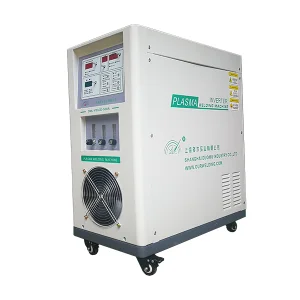
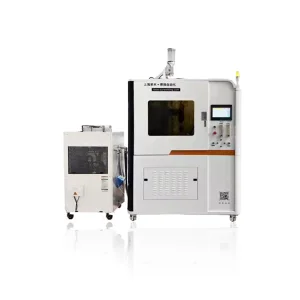
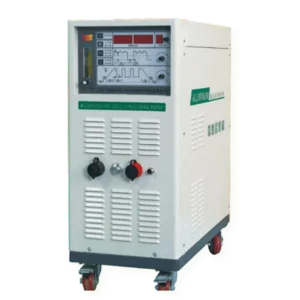
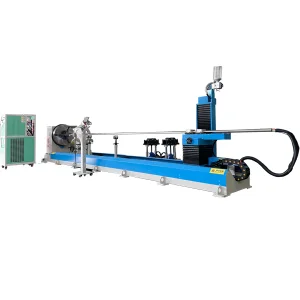
Engineered for high-volume custom production, these systems feature advanced control loops and specialized torches for heavy-duty components.
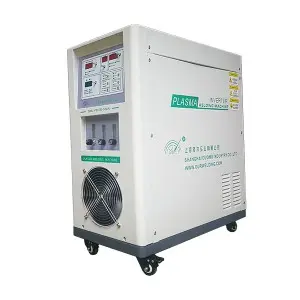
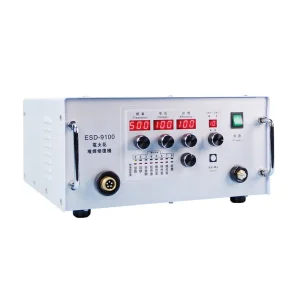
High-speed automated plasma cladding unit with dual powder feeder and PLC controller.
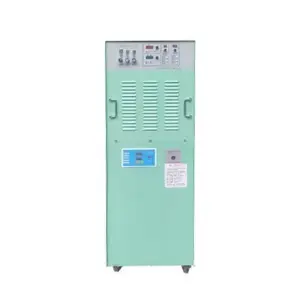
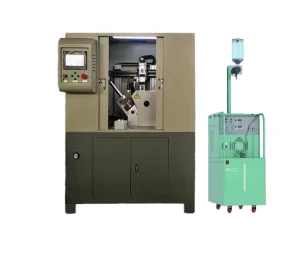
All-in-one system combining welding, surface preparation, and heat control.
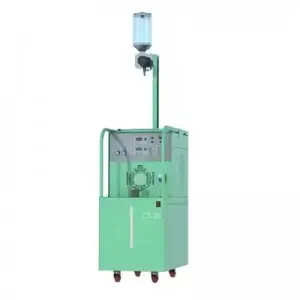
Engineered for multi-purpose cladding applications with flexible torch mounts.
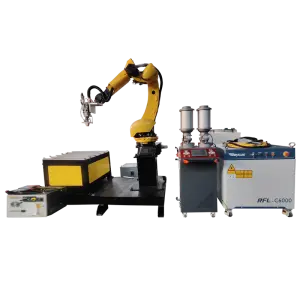
Ultra-fast laser deposition for aerospace and gas turbine blade reconditioning.
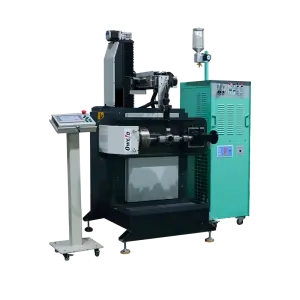
Dedicated high-precision rotational fixture for valve seat overlays.
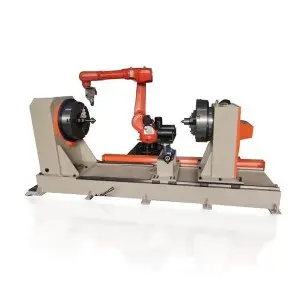
Robot-controlled dynamic optical laser scan path for localized surface hardening.
Read about our operational successes, processes, and guides written by our senior materials science engineers.
"The PTA Welding Valve Application Guide is not just a process choice for valve manufacturers facing high wear, high corrosion, and high-temperature erosion working conditions, but also a key path to improving product competitiveness."
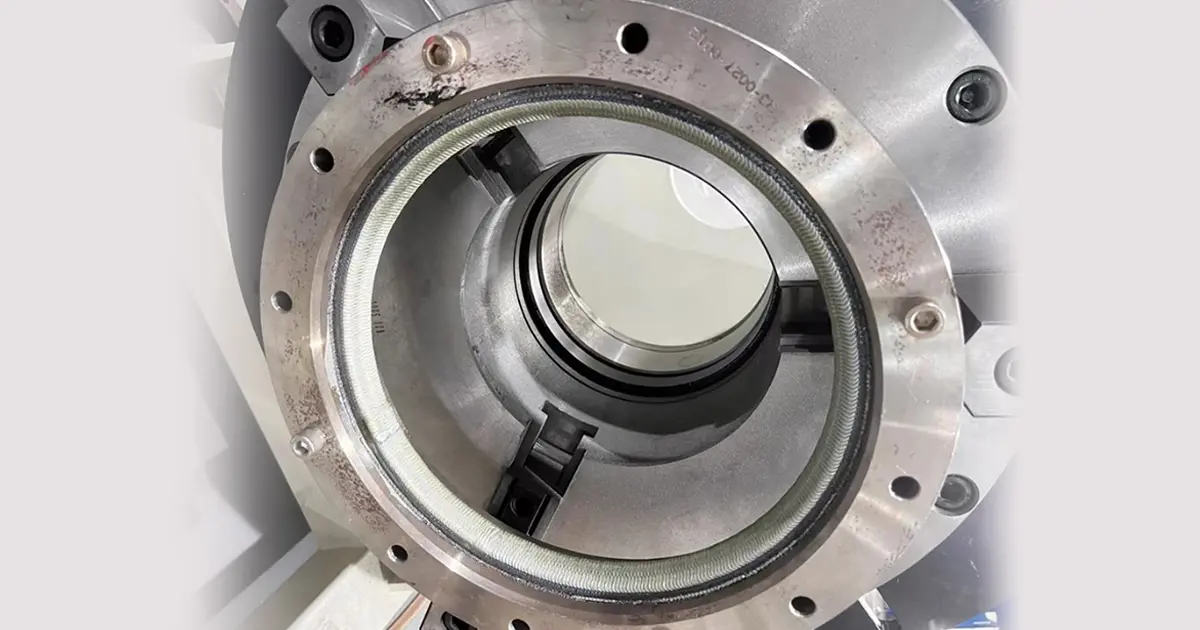
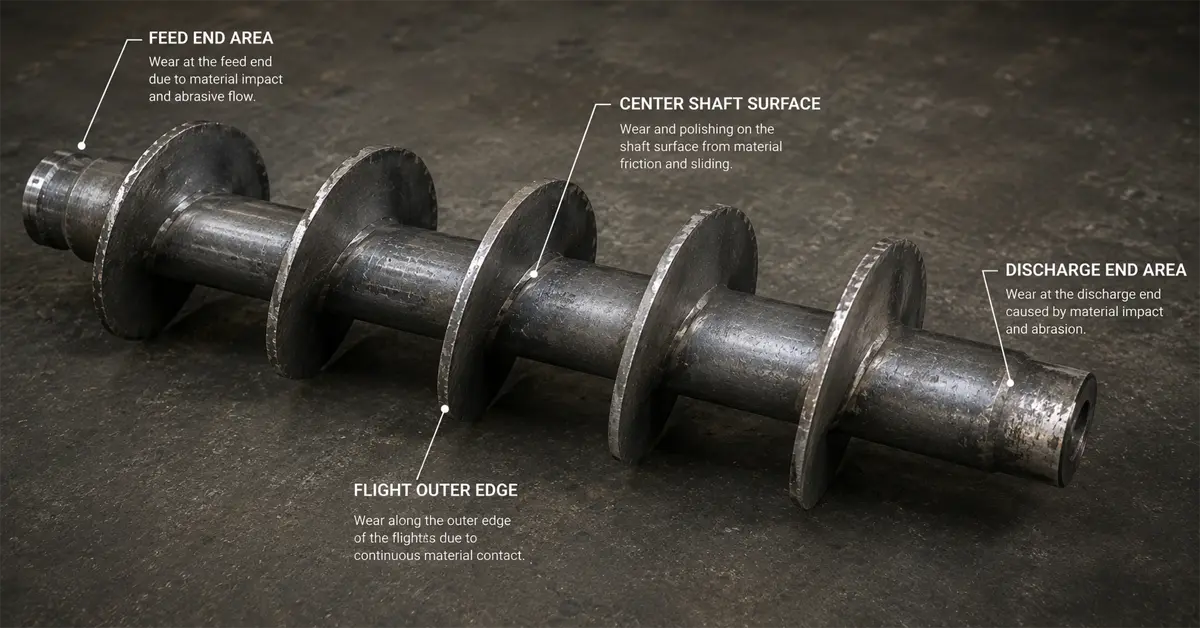
"In industries such as mining, cement, power generation, steelmaking, chemical processing, and biomass energy, screw conveyors are often regarded as auxiliary equipment. However, maintenance data shows that they are among the most frequent causes of unplanned production delays if not hardened properly."
"In Plasma Transferred Arc (PTA) hardfacing, achieving a high-quality overlay is not only about selecting the right alloy powder or optimizing welding parameters. One of the most critical factors that directly affects overlay performance is the dilution rate."
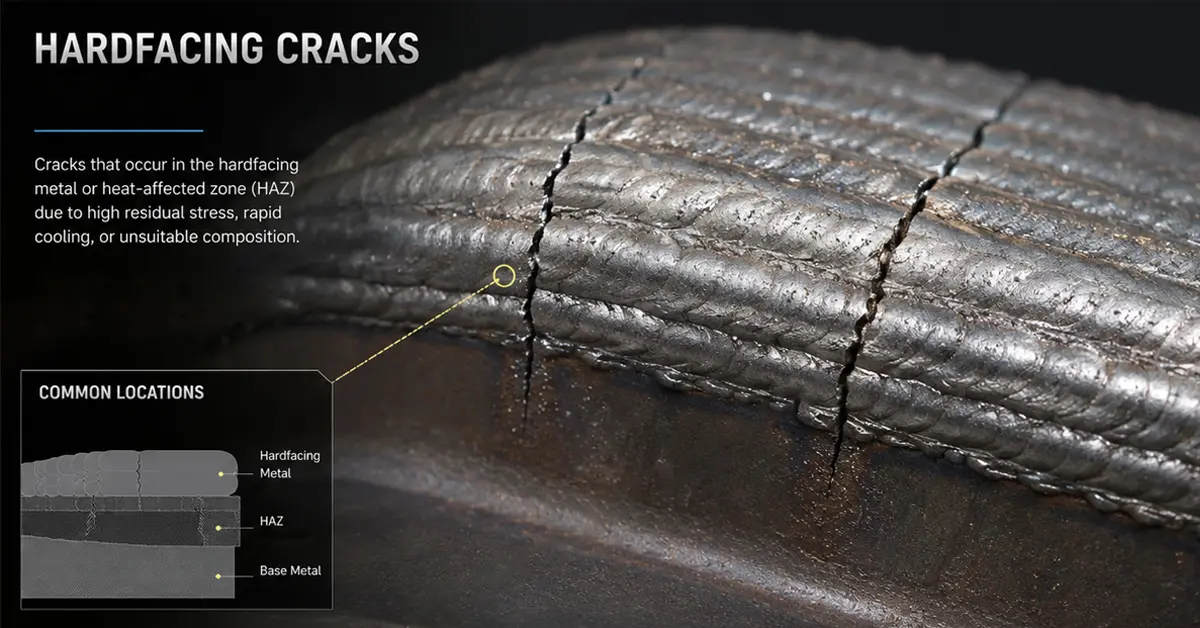
"In industries such as Oil & Gas, Mining, Power Generation, Cement, and Heavy Equipment Manufacturing, hardfacing is no longer just a repair process. It has become a critical technology directly related to equipment lifespan, downtime costs, maintenance frequency, and operational profit."
"In industries such as oil & gas, petrochemical, power generation, mining, and marine engineering, industrial valves are constantly exposed to severe operating conditions including high pressure, extreme temperatures, corrosive media, and abrasive wear."
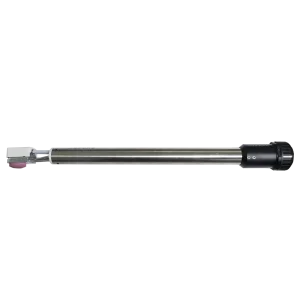
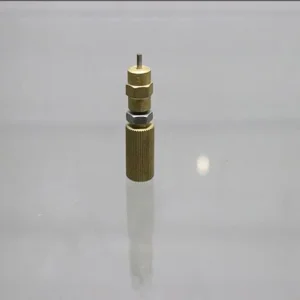
High-precision components, calibrators, and multi-axis gantry setups engineered for exact metallurgical control and repeatable deposition.
Comprehensive responses regarding system parameters, hardware design, materials compatibility, and global procurement logic.
For inquiries about our automated PTAW machines, laser cladding solutions, or custom engineering pricelists, leave your email below. Our engineering team will get in touch with you within 24 hours.
Get Technical Support







 Duomu
Duomu