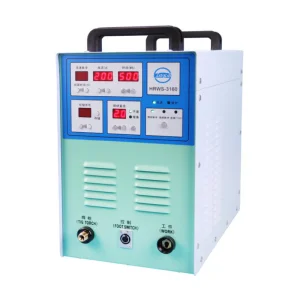
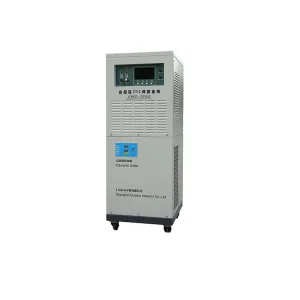
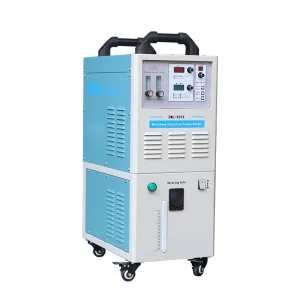
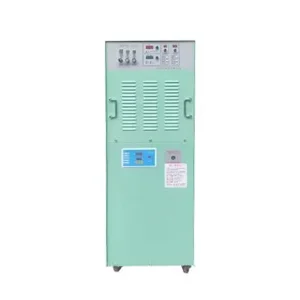
High-Quality Saldatura Pulsata Suppliers & Factories

Precision-Engineered Plasma & Laser Cladding Systems for Advanced Industrial Surface Remanufacturing

Chapter 1: The Physics and Metallurgy of Saldatura Pulsata

Saldatura Pulsata (commonly known in high-end manufacturing circles as Pulsed Welding) represents a massive leap forward in thermal process control. By modulating the electrical output between a high peak current and a low background current, operators can restrict overall heat input while achieving excellent penetration and metallurgical fusion. This is especially vital when dealing with sensitive, high-performance alloys and thin-walled cylindrical assemblies.

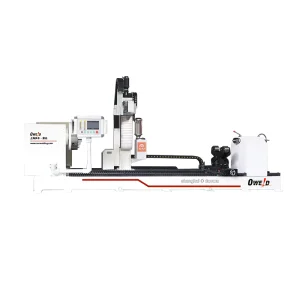
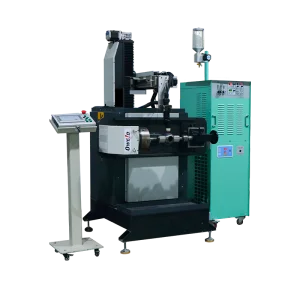
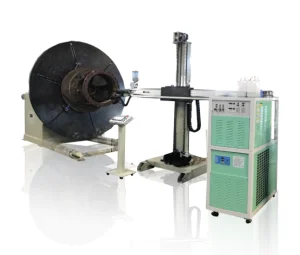
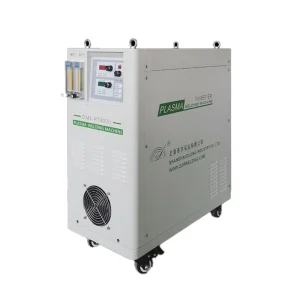
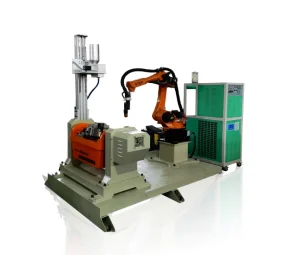
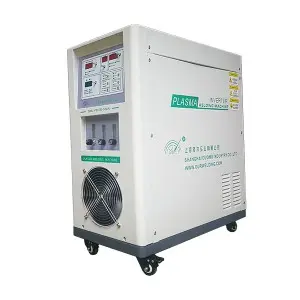
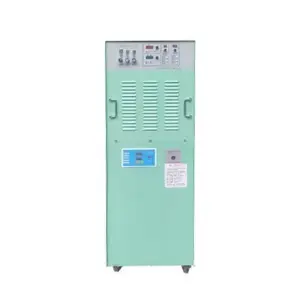
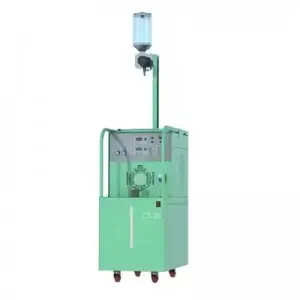
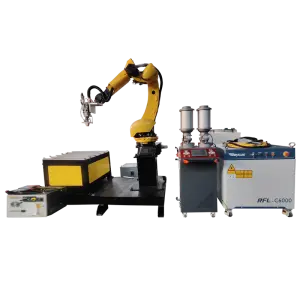
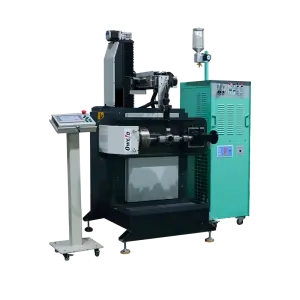
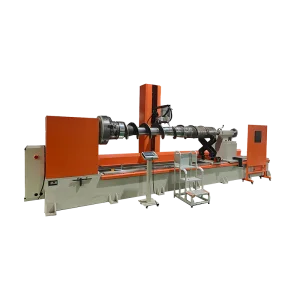
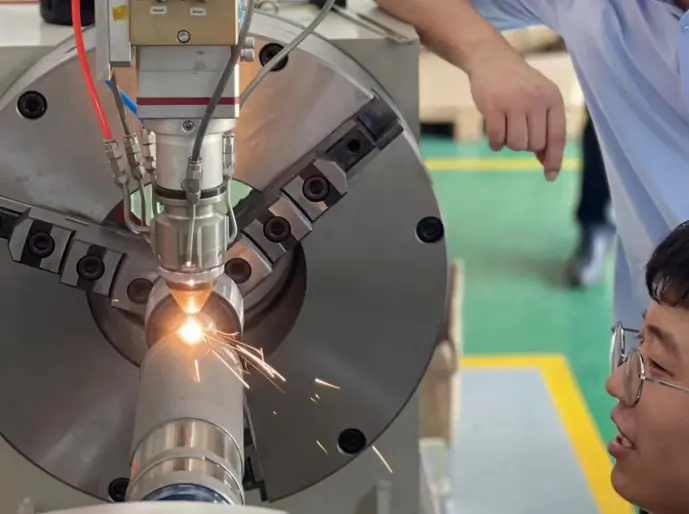
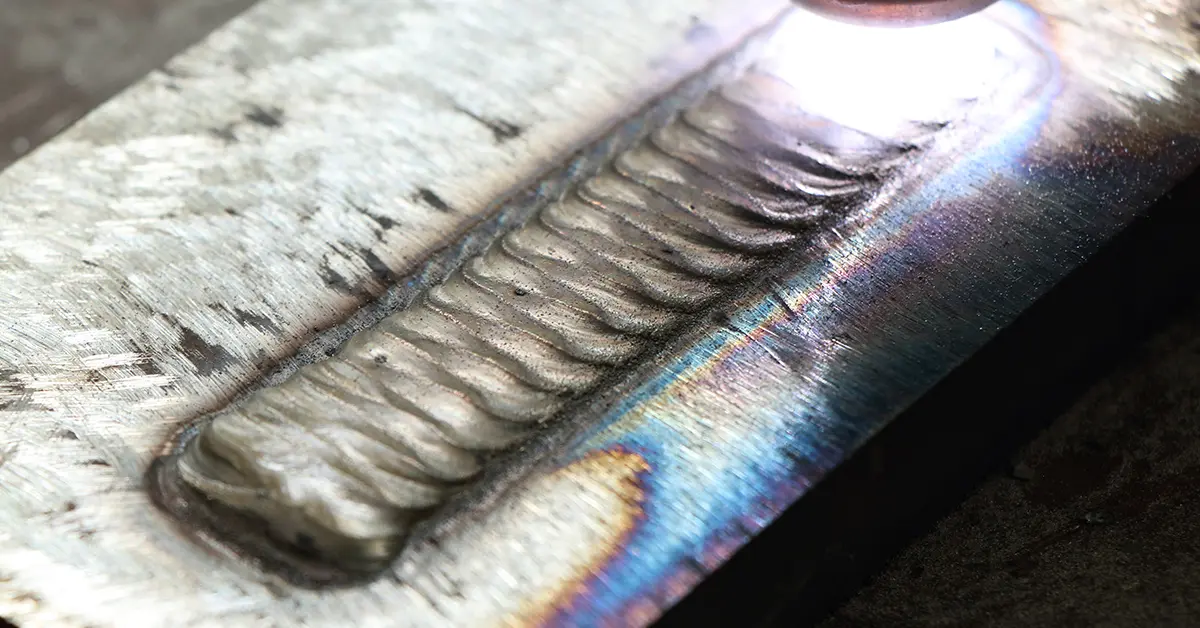
For advanced surfacing and hardfacing, our PTA (Plasma Transferred Arc) cladding systems and laser cladding machines take this technology to another dimension. By introducing powder alloys dynamically, these systems deposit hardfacing layers (like Stellite or Tungsten Carbide) with extremely low dilution rates. The heat-affected zone (HAZ) is dramatically minimized, preventing cracking, thermal distortion, and grain growth in the base substrate.
  • Low Dilution Rate: Keeping base metal contamination under 5% to maximize the characteristics of overlay materials.
  • Optimized Microstructure: Rapid solidification cycles produce dense, refined, dendritic microstructures with exceptional wear and corrosion resistance.
  • Substrate Versatility: Applicable to structural steels, stainless steel, cast irons, and nickel-base superalloys.
PTA Welding Process Engineering Diagram

Global Track Record in PTA & Laser Cladding

Decades of continuous R&D and industrial installations across strategic manufacturing sectors.

10+
Years R&D Experience
500+
Global Systems Installed
<5%
Dilution Performance
24h
Technical Service Response

Chapter 2: Why Partner with Top-Tier China Factories?

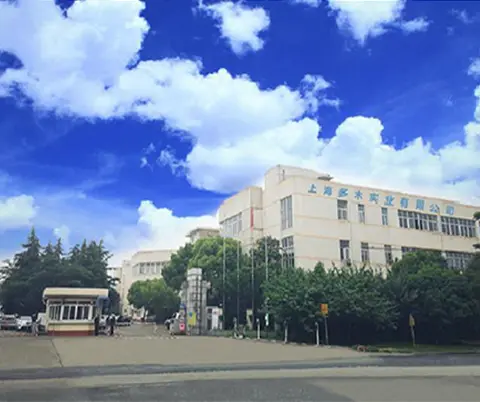
The production landscape for Saldatura Pulsata and cladding systems has shifted dramatically. High-end Chinese manufacturers, led by industry hubs like Shanghai Duomu, combine deep engineering backgrounds with robust component supply chains. Our R&D teams have spent over a decade perfecting both modular and turnkey laser and plasma arc surfacing solutions.

Choosing a high-quality Chinese factory provides procurement departments with unparalleled benefits:
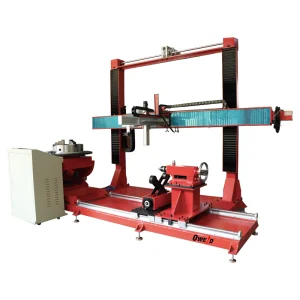
  • Unmatched Customization Capacity: From single-column manipulators to double-column gantry systems, we can tailor kinematics, automated powder feeders, and power ratings to your specific workflow.
  • Advanced CNC & Robotic Integration: We utilize state-of-the-art PLC interfaces and custom robotic kinematics to ensure reliable, high-uptime operation under heavy industrial loads.
  • Cost Efficiency & Scalability: Our vertically integrated manufacturing allows us to pass structural savings directly to our customers, ensuring rapid return on investment (ROI).
Shanghai Duomu Technical R&D Department

Industrial Application Areas

At present, Shanghai Duomu's products have successfully penetrated into critical, high-stress sectors demanding absolute wear and thermal resistance.


Agricultural Machinery

Agricultural Machinery

Wear-resistant surfacing for cutting blades, tillage tools, and wear plates operating in abrasive soils.

Aerospace Military Industry

Aerospace & Defense

Superalloy cladding for turbine blades, aerospace actuators, and defense components requiring rigorous quality compliance.

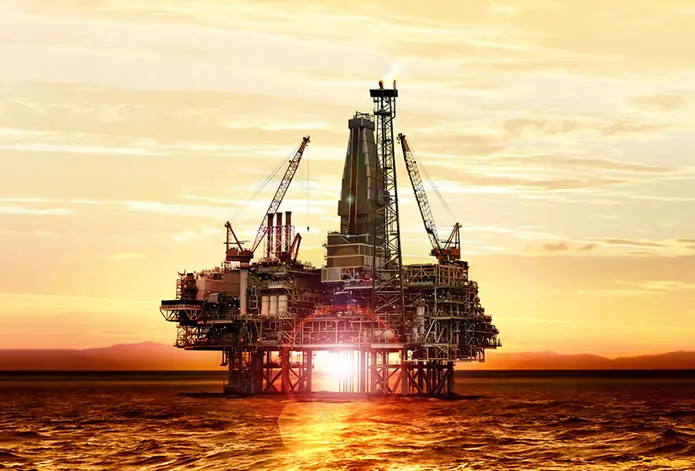
Petroleum Machinery

Petroleum Machinery

Hardfacing downhole tools, drill collars, and heavy valves subjected to high pressure, extreme friction, and corrosive mud.

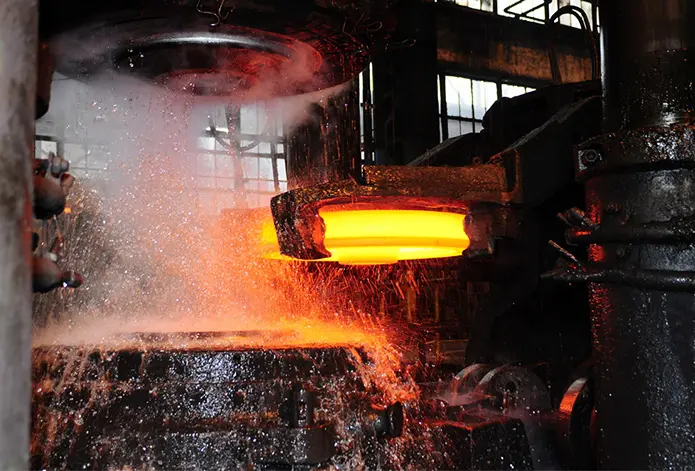
Metallurgy Casting

Metallurgy & Casting

Gantry systems and automated manipulators engineered for casting rolls, steel mill guides, and heavy industrial forging dies.

Chapter 3: Macro Industrial Solutions and Localized Integration Scenarios

Heavy machinery operators worldwide are looking for ways to maximize the operational lifespan of their mechanical components. Downtime costs in sectors like petrochemical processing, mining, and cement manufacturing can reach tens of thousands of dollars per hour. Consequently, the use of automated cladding systems has moved from a premium option to an absolute operational necessity.

Consider the wear patterns of screw conveyors and industrial valves. The constant passage of corrosive media, fine abrasives, and high-velocity sands breaks down baseline metallurgy rapidly. By executing automated PTA cladding with custom alloys, factories can generate hard overlays that prolong active lifespans up to 500% compared to untreated components.

We design integrated layouts featuring smart robotics and dedicated sensor arrays to support diverse global procurement demands:

  • Integrated Multi-Axis Positioners: Seamlessly coordinate parts rotation with weld torch movements to achieve flawless cladding even on complex geometries.
  • Optimized Dilution Rate Profiles: System parameters are factory-tuned to match specific alloy classifications, guaranteeing minimal dilution and optimal surface hardness.
  • Real-time Cladding Telemetry: High-definition monitoring allows operators to inspect and fine-tune critical variables dynamically, eliminating internal voids.

Expert Insight & Engineering Testimonials

Understand the engineering principles and practical solutions driving hardfacing and precision repair technologies.
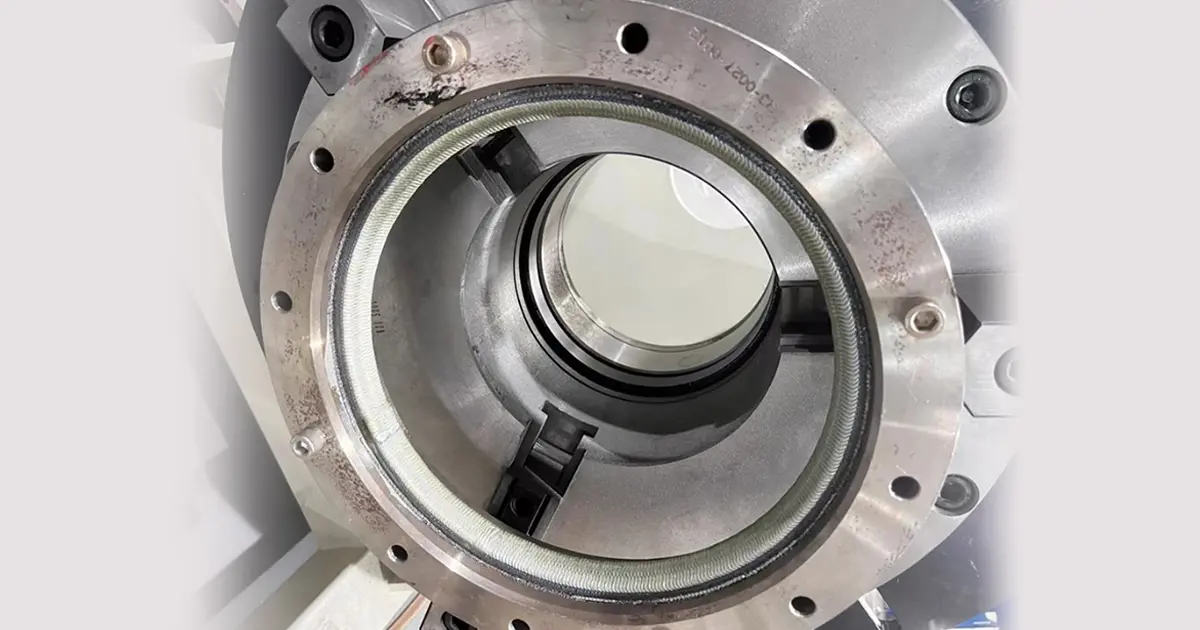
PTA Welding Valve Application Guide

The PTA Welding Valve Application Guide is not just a process choice for valve manufacturers facing high wear, high corrosion, and high-temperature erosion working conditions, but also a key path to improving product competitiveness. As industries such as petrochemical, ...

Read Guide
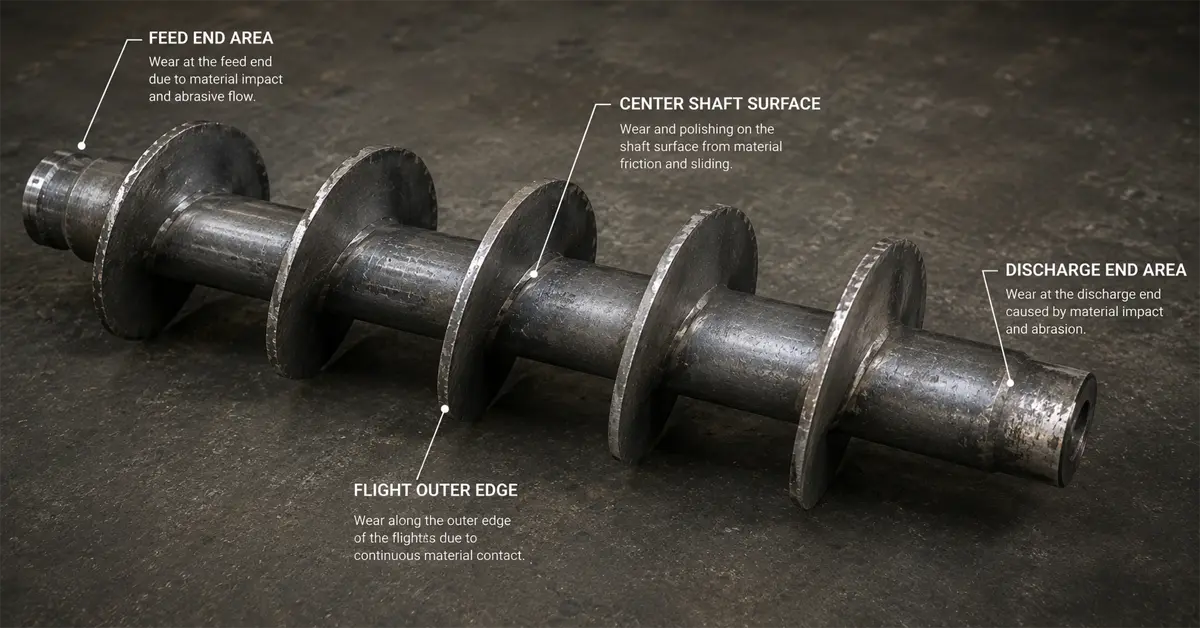
Screw Conveyor Hardfacing

In industries such as mining, cement, power generation, steelmaking, chemical processing, and biomass energy, screw conveyors are often regarded as auxiliary equipment. However, maintenance data shows that they are among the most frequent causes of unplanned production d...

Read Study
Dilution Rate Optimization

In Plasma Transferred Arc (PTA) hardfacing, achieving a high-quality overlay is not only about selecting the right alloy powder or optimizing welding parameters. One of the most critical factors that directly affects overlay performance is the dilution rate. Whether you ...

Read Analysis
Hardfacing Lifespan Analysis

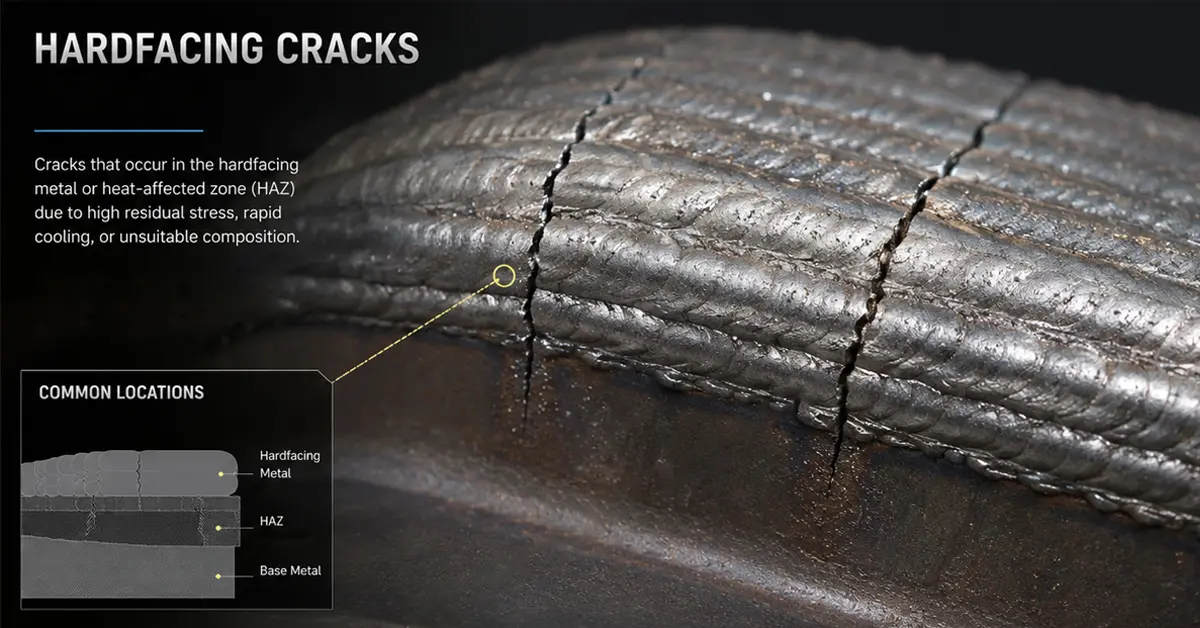
In industries such as Oil & Gas, Mining, Power Generation, Cement, and Heavy Equipment Manufacturing, hardfacing is no longer just a repair process. It has become a critical technology directly related to equipment lifespan, downtime costs, maintenance frequency, and...

Read Article
Industrial Valve Hardfacing Guides

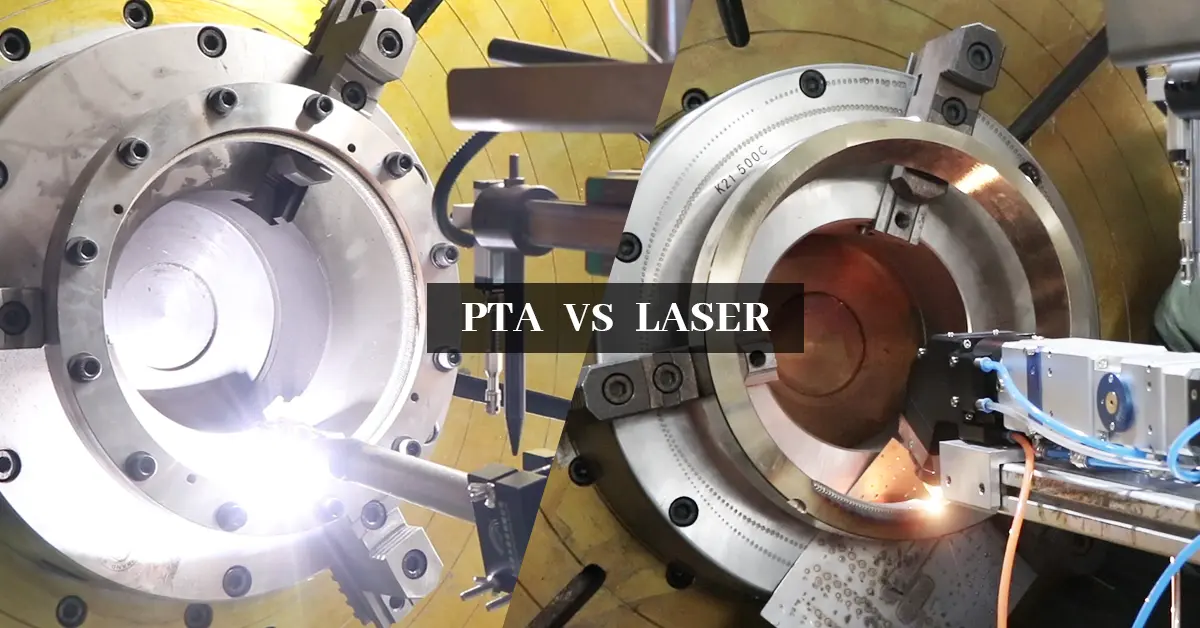
In industries such as oil & gas, petrochemical, power generation, mining, and marine engineering, industrial valves are constantly exposed to severe operating conditions including high pressure, extreme temperatures, corrosive media, abrasive wear, and sand erosion...

Read Report

Saldatura Pulsata & Cladding Technology FAQ

Get answers to critical technical questions from our senior metallurgical and engineering team.

What are the primary differences between PTA cladding and conventional TIG/MIG welding?
PTA (Plasma Transferred Arc) cladding utilizes a highly concentrated plasma arc to melt both the base metal surface and the custom powder feedstock. Unlike MIG/TIG, PTA gives you precise control over heat input, producing dilution rates under 5% (compared to 15-25% for MIG/TIG). This allows the overlay material to retain its pure mechanical properties at much shallower deposit thicknesses.
How does Saldatura Pulsata control thermal distortion in thin-walled components?
Saldatura Pulsata (pulsed welding) limits heat input by cycling between a peak melting current and a cooler background current. This allows the weld pool to freeze momentarily, stabilizing the heat-affected zone (HAZ) and preventing excessive thermal accumulation. This is critical for preventing warping, deformation, and hot cracking in thin-walled cylindrical assemblies.
Which hardfacing powders are compatible with your PTA cladding machines?
Our PTA equipment handles a wide variety of metallurgical powders, including cobalt-based (Stellite), nickel-based, and iron-based alloys, alongside mixtures of tungsten carbides (NiWC). The integrated automated powder feeders deliver consistent mass flow, ensuring highly uniform overlays.
Can you customize automation kinematics for specialized components?
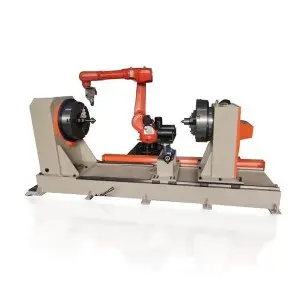
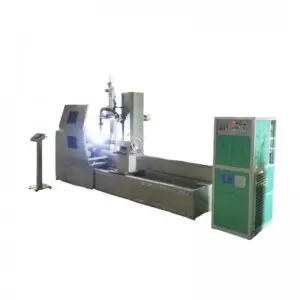
Yes. Shanghai Duomu has an independent R&D team specializing in design and automation integration. We build tailor-made systems including double-column gantries, multi-axis manipulators, and robotic positioners to manage non-standard parts, such as complex valve gates, extruder screws, and heavy steel rolls.
What quality assurance protocols are followed during machine assembly?
Every cladding and welding system undergoes comprehensive load testing, kinematics validation, and weld testing at our Shanghai factory. We utilize premium, globally sourced components for crucial electronics and motion controls to guarantee reliability and high uptime.
How do you support international customers with installation and training?
We provide full technical support, including complete documentation, remote integration assistance, and video training modules. On-site commissioning and engineer dispatch services can be arranged for large-scale production line projects.
Partner Logo
Partner Logo
Partner Logo
Partner Logo
Partner Logo
Partner Logo
Partner Logo
Partner Logo
Partner Logo
Partner Logo

Request a Technical Consultation

For inquiries about our products, pricing, or custom cladding system integration, please leave your contact details. Our engineering team will touch base within 24 hours.

Send Inquiry / Subscribe