Explore our foundational range of industrial plasma torches, high-performance bore welding equipment, and automated CNC systems.
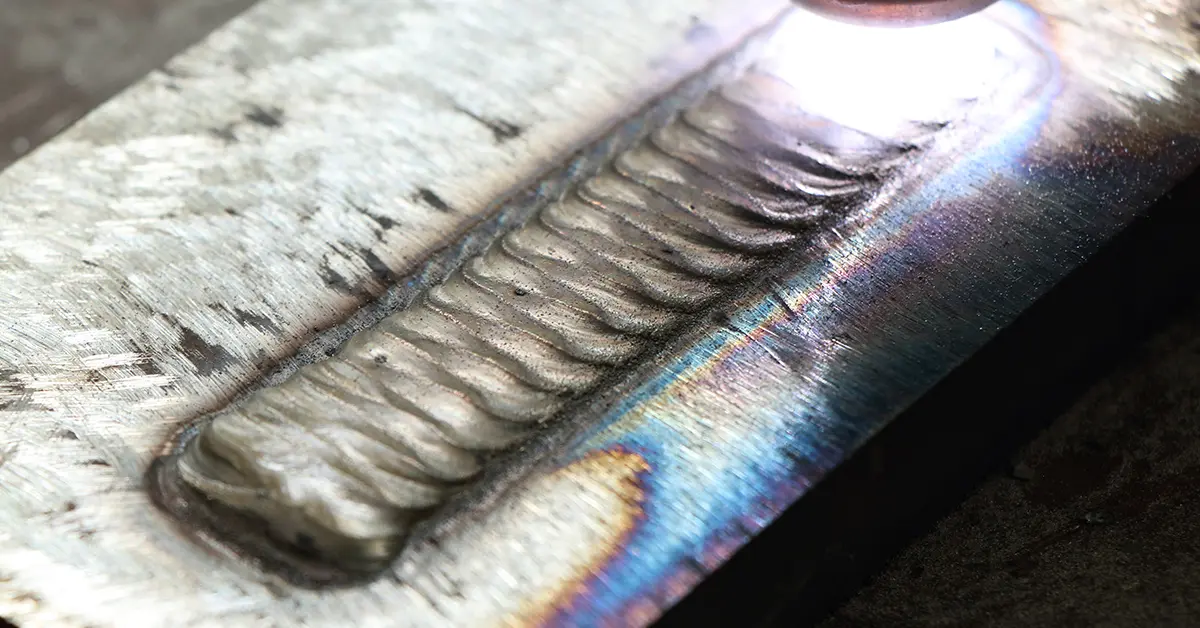
In modern high-precision manufacturing, TIG Welding (Saldature A Tig) stands as the baseline for clean, highly controlled metallurgical joining. However, when confronting the extreme environments of aerospace engineering, nuclear power generation, and deep-sea extraction, standard manual welding reaches its limitations. Global manufacturers require a fusion of structural integrity, low dilution rates, and extreme wear resistance.
This is where the evolutionary step from conventional TIG to Plasma Transferred Arc (PTA) cladding and Laser Cladding becomes a strategic imperative. As a premier provider, Shanghai Duomu integrates over a decade of core technological innovation to supply systems that bridge the gap between traditional reliability and future-ready automation.
Understanding the macro-economic and engineering factors shaping the global surface modification industry.
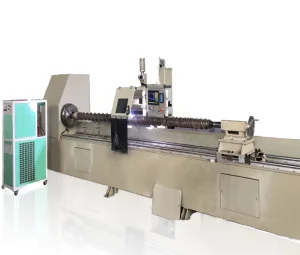
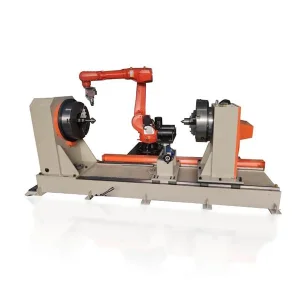
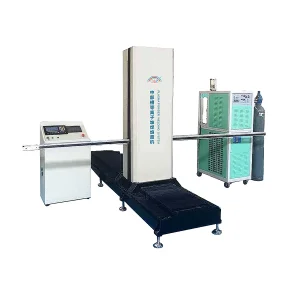
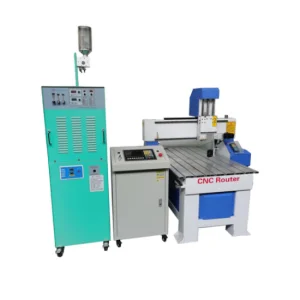
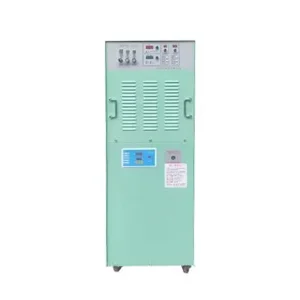
Across Europe, North America, and the Asia-Pacific region, heavy industries are moving away from disposable part lifecycles towards circular engineering. The remanufacturing of heavy machinery shafts, mining screw conveyors, and petrochemical valves using PTA or Laser cladding reduces carbon footprints by up to 75% compared to manufacturing new forged components. Our customized solutions, such as the DZB-NC401 Automatic Plasma Cladding Surfacing System, are at the forefront of this industrial transition, allowing clients to apply precise, hard-facing overlays on highly critical components.
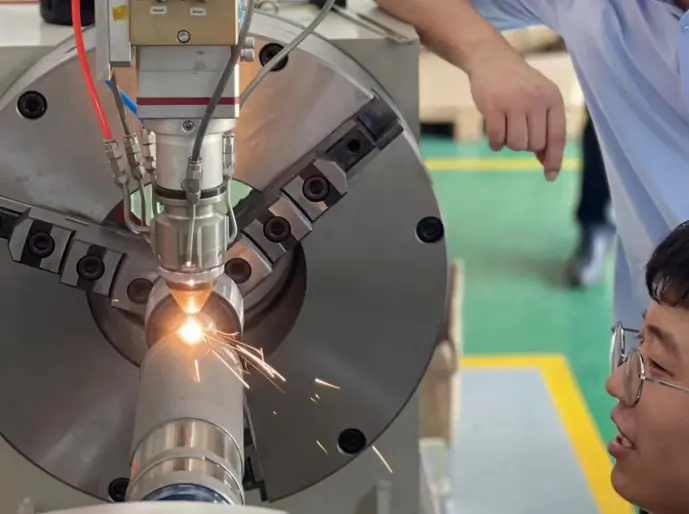
Our strength lies in our independent Research & Development team, dedicated exclusively to the advancement of plasma and laser cladding technologies. Our welding systems are engineered to run continuously under harsh factory floor environments without thermal drift or arc degradation.
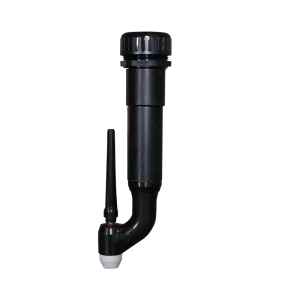
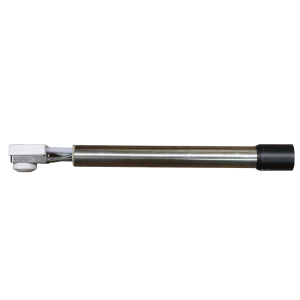
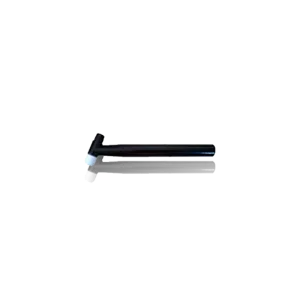
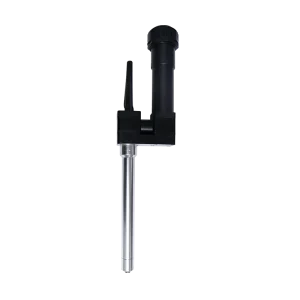
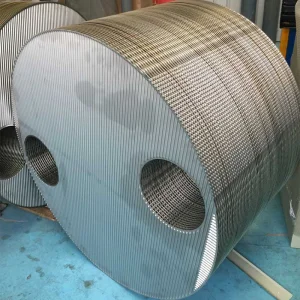
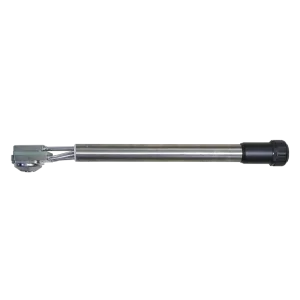
We provide full-process solutions, ensuring that the hardware (such as deep hole torches and custom calibrators) is perfectly synchronized with the digital controller. This allows closed-loop feedback monitoring, crucial for achieving precise deposit geometry in applications like heat exchanger diaphragm welding and valve rebuilding.
Where high-precision arc cladding and laser technologies solve real-world engineering bottlenecks.
Protecting tillage tools, harvester blades, and screw feeds against severe abrasive soil wear. Utilizing PTA overlays to extend tool lifetimes by 3x to 5x.
High-precision repair of turbine blade edges, compressor housings, and structural airframe components. Zero structural distortion through low heat input laser cladding.
Hardfacing of drill string components, stabilization rings, and control valves operating in highly corrosive, high-pressure oil and gas environments.
Restoration of continuous caster rolls, extrusion dies, and forging hammers subjected to brutal thermal fatigue and impact wear.
Explore the physical footprint of our technology across critical sectors globally.



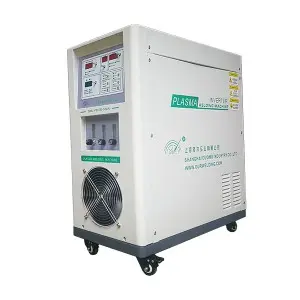
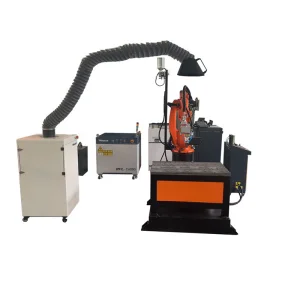
Custom-tailored automatic systems designed to integrate seamlessly with industrial robot cells.
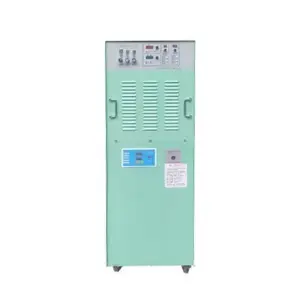
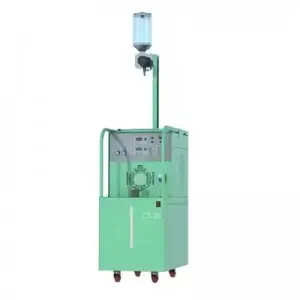
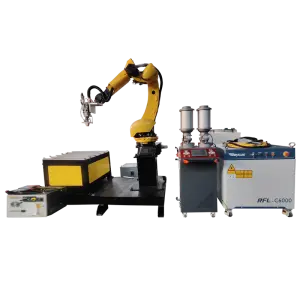
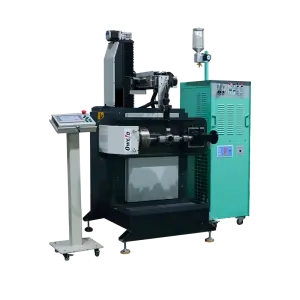
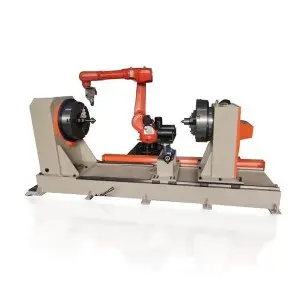
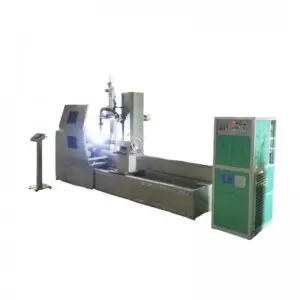
In accordance with Europe’s stringent engineering standards and Italy's specialized "Saldature A Tig" requirements, all machinery exported to the EU is fully compliant with the Machinery Directive 2006/42/EC, the Low Voltage Directive 2014/35/EU, and is marked with the official CE validation. We ensure our equipment conforms to structural welding safety requirements under EN ISO 3834-2 (Quality requirements for fusion welding of metallic materials) and EN ISO 15614-7 (Overlay welding procedure tests).
To support localized production lines, our technical network provides on-site calibration, remote system diagnostics, and standardized programming templates. By keeping operational interfaces intuitive and compliant with local language parameters, we enable operators to achieve repeatable deposit results with minimal training overhead.
Consult our sales engineers today to receive a complete layout design and cycle-time calculation for your specific part dimensions.
Hear from metallurgical consultants and project leads who solved structural wear problems with our technology.
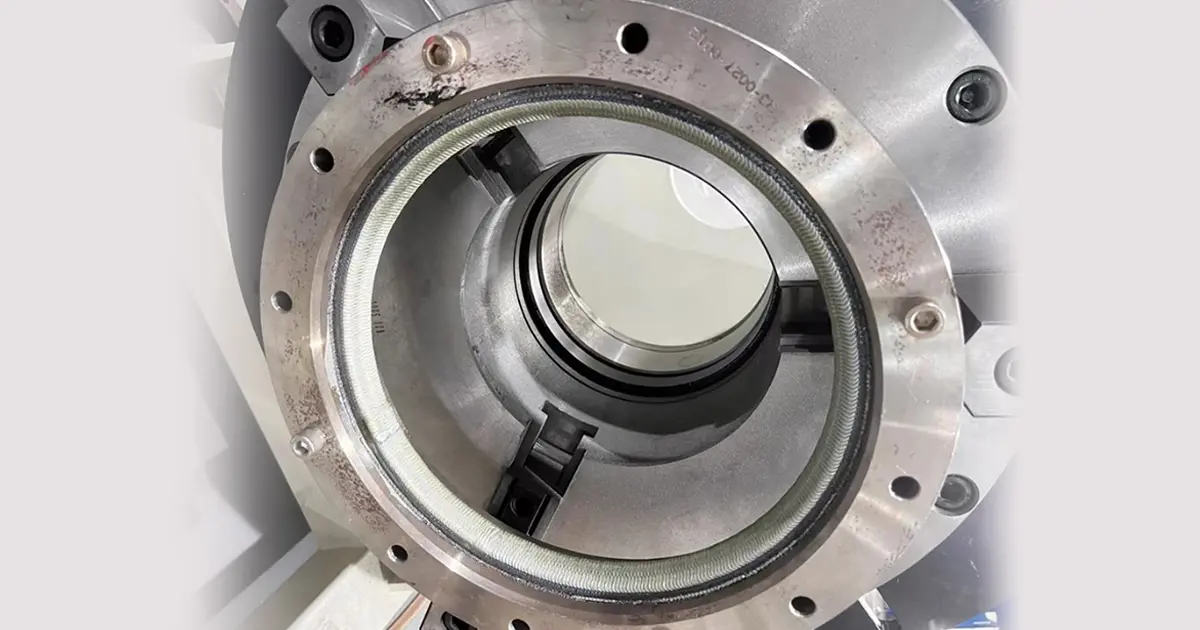
Industrial Valve Solutions SRL
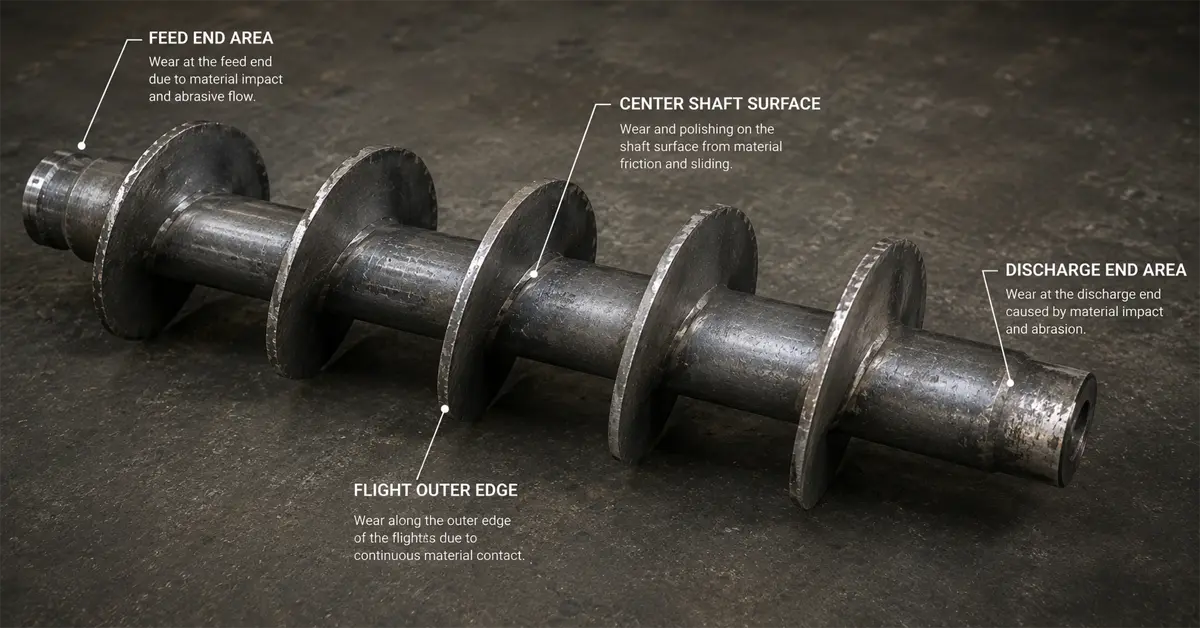
Global Mining Equipment Corp
Advanced Metallurgical Labs
Heavy Industry & Mining Group
The convergence of artificial intelligence, robotic path planning, and real-time sensory feedback is driving a paradigm shift in industrial welding. The future of Saldature A Tig and related cladding methods is rooted in closed-loop smart monitoring. By placing high-definition CCD cameras and spectral sensors directly near the welding head, future systems will adjust current, gas flow, and travel speed in microsecond increments to correct defect formations instantly.
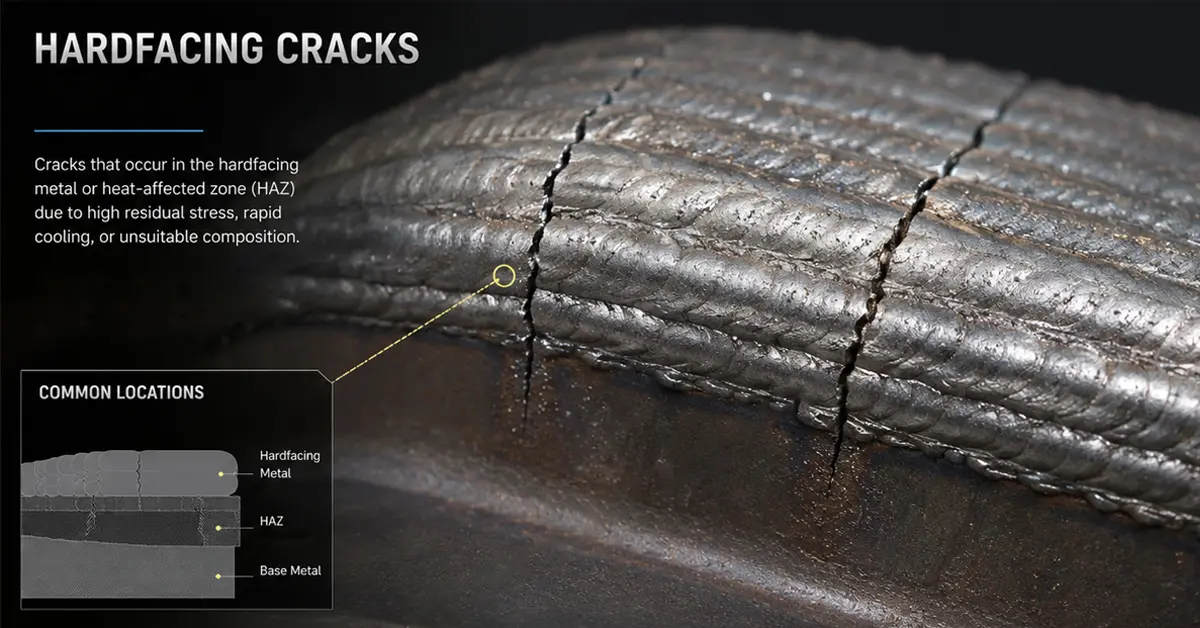
Furthermore, the development of hybrid laser-plasma systems will allow operators to leverage the massive deposition rate of PTA alongside the ultra-precise, low-heat input of fiber lasers. This hybrid approach will minimize overall cycle times while maintaining a completely flawless, micro-crack-free grain structure across complex geometric profiles.
Addressing the core technical queries of quality inspectors, welding engineers, and procurement managers.
While both processes employ a non-consumable tungsten electrode and an inert shielding gas, TIG is mainly used for structural joining of thin to medium sections. PTA uses a secondary orifice gas to constrict the arc, creating a highly concentrated plasma column. This allows PTA to melt metal powder feeds efficiently, delivering deposition rates up to 6 kg/h with dilution rates below 5%—ideal for surfacing, wear-resistant cladding, and remanufacturing.
Dilution refers to the mixing of the base metal (substrate) with the applied cladding material. High dilution rates (typical in manual arc welding) mean the chemical properties of the expensive overlay alloy (like cobalt or carbide) are degraded by the low-grade base steel. Keeping dilution rates under 5% preserves the alloy's structural profile, maximizing hardness, corrosion resistance, and overall wear protection.
Laser Cladding is preferred for precision parts requiring minimal heat input, such as turbine blade repair, hydraulic rods, and thin-walled cylinders, where thermal distortion must be completely avoided. PTA is ideal for heavy-duty components requiring high overlay thickness, such as valve seats, mining screw conveyors, and agricultural tools, where large deposition rates are necessary.
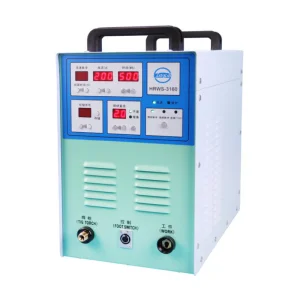
Yes, our systems (such as the DQF-LC602 and DNC2000) feature standardized communication protocols (such as Profinet, EtherCAT, and Modbus) that integrate seamlessly with major industrial robotic arms, including KUKA, ABB, Fanuc, and Yaskawa.
Consistently chosen by global manufacturers for high-precision components and wear protection.








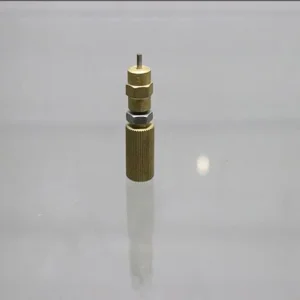
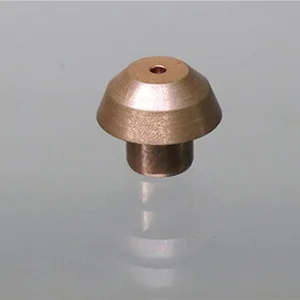
Explore our secondary lineup of precision components, custom calibrators, and robust PTA nozzles.
 Duomu
Duomu