Explore our premium machinery portfolio engineered to provide extreme wear, temperature, and corrosion protection across demanding heavy-industrial sectors.
An authoritative analysis of Gas Tungsten Arc Welding (GTAW/TIG) and Plasma Transferred Arc (PTA) cladding mechanisms in heavy-duty structural manufacturing.
In wear-protection engineering, the dilution rate—defined as the percentage of base metal that melts and mixes with the cladding alloy layer—directly dictates the chemical composition and mechanical properties of the deposited surface. Standard manual TIG process welding often yields dilution rates ranging from 15% to 25%, which compromises the performance of exotic overlays (e.g., Stellite, Colmonoy, and Tungsten Carbide matrices).
As an industry-leading factory, our automated PTA (Plasma Transferred Arc) cladding systems and high-precision TIG machines reduce dilution to less than 5% in a single pass. By separating the arc generation from the filler material introduction (powder or cold/hot wire), our equipment ensures that only a microscopic boundary layer of the substrate reaches melting temperature. This guarantees that the clad layer retains its designed wear resistance, hardness, and corrosion properties right from the immediate fusion line.
During the welding thermal cycle, heat input must be mathematically managed. High heat input leads to grain growth in the heat-affected zone (HAZ) and can cause sensitization in austenitic stainless steels (precipitating chromium carbides at grain boundaries, rendering the steel susceptible to intergranular corrosion).
Our precision repair welding machines utilize high-frequency pulsed currents to rapidly solidify the weld pool. This rapid cooling cycle results in ultra-fine dendritic formations in nickel and cobalt-base superalloys. By accelerating solidification, we inhibit the segregation of alloying elements and eliminate micro-fissuring, enabling components to withstand high cyclic thermal stress.
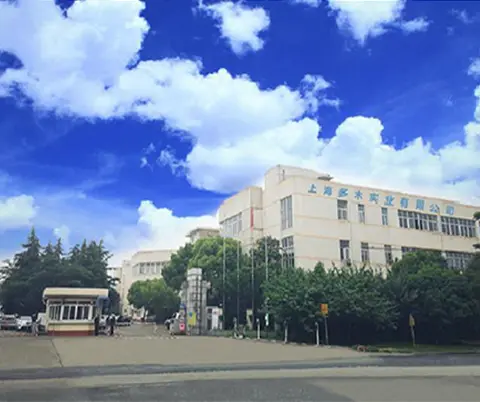
Shanghai Duomu has been a leading manufacturer and exporter of PTA cladding machines and Laser cladding machines for more than ten years with a strong technical background. Our dedication to design excellence, advanced metallurgical research, and automated control systems has positioned us as the go-to partner for industrial enterprises requiring robust surface engineering.
Our manufacturing center leverages cutting-edge CNC machining, heavy-duty assembly lines, and a state-of-the-art testing laboratory to deliver machines capable of operating 24/7 in severe industrial environments. Every system is configured to meet global safety standards, combining rugged mechanics with user-friendly digital control interfaces.
Read More About Our Factory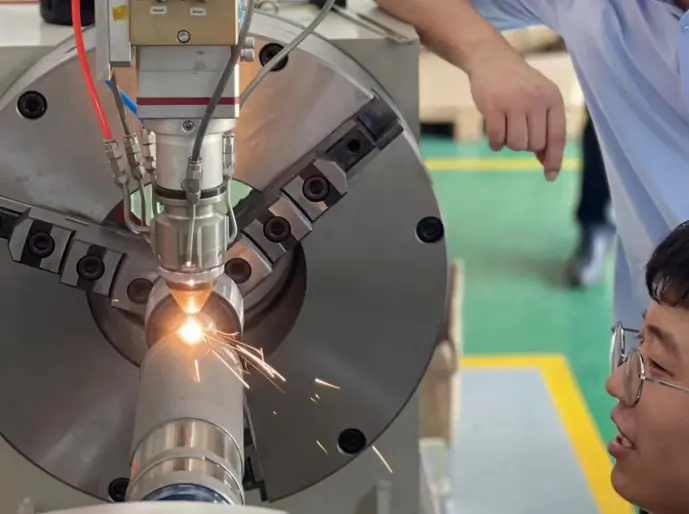
We host an independent R&D team, which develops, produces and sells plasma cladding machine equipment. The welding machine has stable performance and can maintain efficient long-term operation. In addition, the laser cladding equipment sold by the company can effectively support large-scale remanufacturing projects. We have mature technological means to provide complete sets of industrial equipment solutions.
Our core innovations focus on closed-loop control of the powder feed rate, real-time temperature monitoring of the molten pool, and seamless integration of 6-axis articulated robotic arms. By combining hardware robustness with algorithmic control, we enable manufacturers to achieve absolute reproducibility on complex geometries, including double-curved blades, ball valves, and non-linear extrusion screws.
Get in Touch with EngineersAt present, the company's products have penetrated into many fields such as aerospace military industry, nuclear power, petrochemical industry, coal mines, metallurgy and forging, agriculture, water conservancy and electric power, etc.

Applying high-durability carbide matrix surfacing to subsoilers, harvester blades, and plowshares operating in highly abrasive soil structures.

Laser and precision GTAW repair of single-crystal turbine blades, combustion chamber components, and high-performance structural titanium alloys.

Corrosion-resistant alloy (CRA) cladding of drill collars, mud pumps, gate valves, and subsea pipelines subjected to sour gas environments.
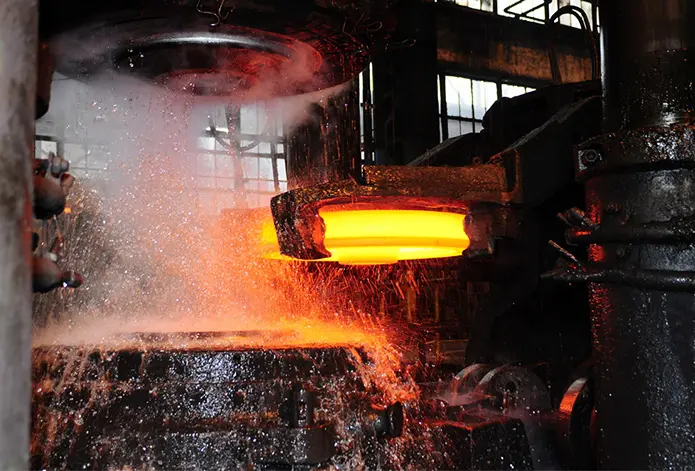
Thermal barrier and wear-resistant cladding on continuous casting rolls, forging dies, and high-temperature extrusion tools.
Aligning advanced Chinese manufacturing efficiency with rigid international standards to deliver turnkey engineering reliability worldwide.
Operating on a global scale requires strict adherence to international quality management systems. Our TIG, PTA, and Laser machines are designed and tested in compliance with ASME Section IX (Welding and Brazing Qualifications), ISO 3834-2 (Quality requirements for fusion welding of metallic materials), and AWS D14.6 (Specification for Welding of Industrial and Mill Cranes and Other Material Handling Equipment).
This rigorous alignment ensures that when our customers export clad components or utilize our equipment inside high-integrity manufacturing loops, they pass regulatory audits seamlessly. Our systems feature integrated data logging that records electrical parameters, wire feed rate, gas flow rates, and preheat/interpass temperatures, providing the documentation needed to verify compliance with EN 10204 3.1 certification.
To eliminate downtime, Shanghai Duomu has built a global distribution and technical support infrastructure. From North America to Western Europe and Southeast Asia, our local service agents provide rapid diagnostic assistance, preventative maintenance contracts, and on-site engineering consultations.
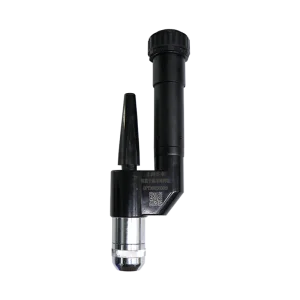
We stock critical consumables—such as tungsten electrodes, plasma nozzles, precision powder distributors, and gas rings—in multiple regional hubs. Whether you are running a high-speed laser cladding line in Germany or an automated PTA surfacing rig in Australia, our technical team is available 24/7 to guarantee peak equipment availability and efficiency.
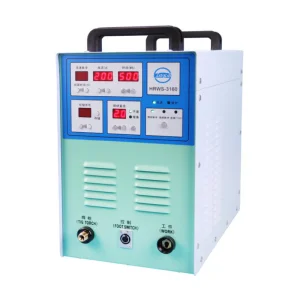
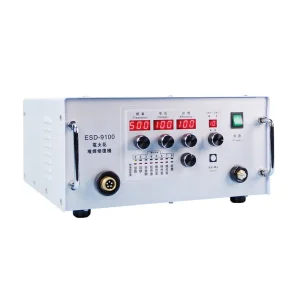
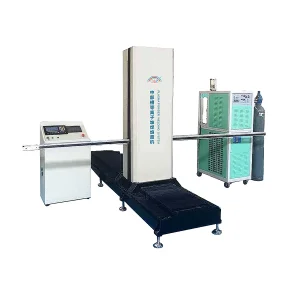
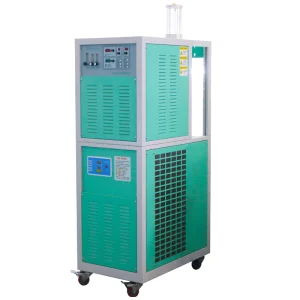
Custom-engineered configurations, automatic powder-surfacing lines, and portable repair units for localized manufacturing requirements.
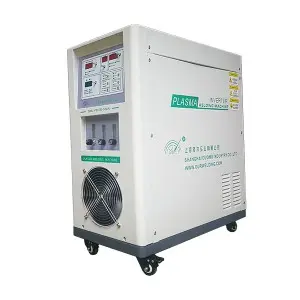
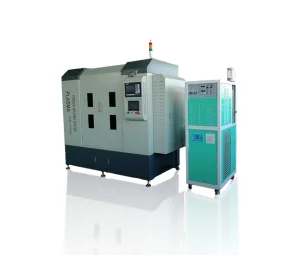
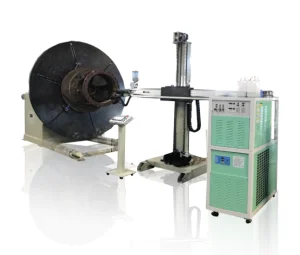
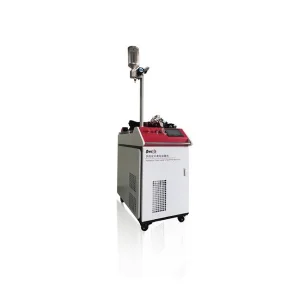
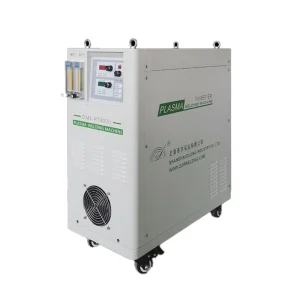
Highly integrated plasma deposition machine designed for precision component repair and high-wear alloy coating deposition.
Learn More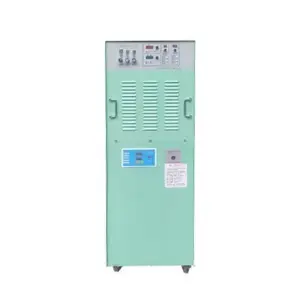
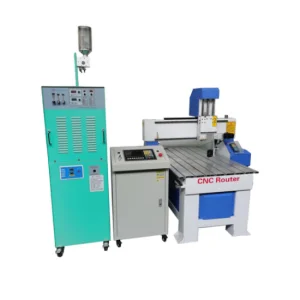
All-in-one smart system engineered for multiple cladding disciplines, offering real-time gas mixing and CNC control paths.
Learn More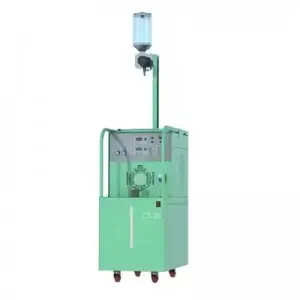
Flexible welding systems configured for custom automated manufacturing lines, optimizing alloy feed consistency.
Learn More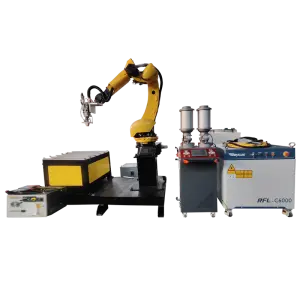
High-energy laser deposition system designed to rebuild gas turbines and industrial blades with ultra-low heat inputs.
Learn More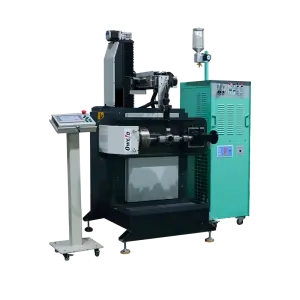
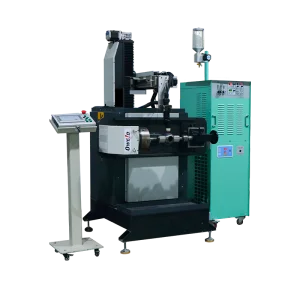
Dedicated multi-axis manipulator targeting the sealing surfaces of ball valves with specialized wear-resistant alloy coatings.
Learn More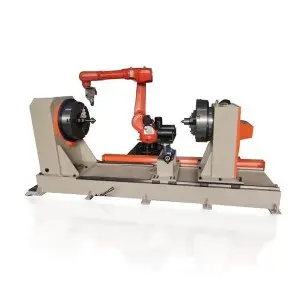
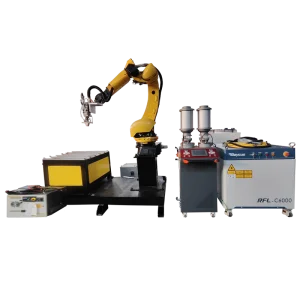
Industrial robot integrating high-power laser diodes to selectively harden wear components with minimal deformation.
Learn More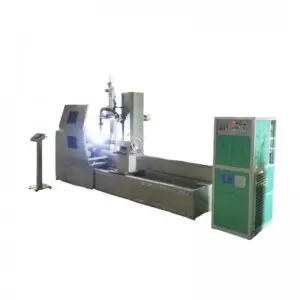
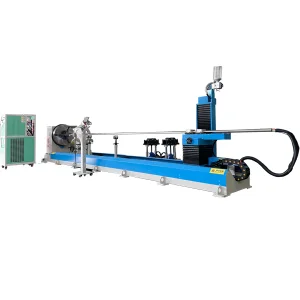
Continuous rotary system built to deposit corrosion-proof coatings on long shafts, cylinders, and marine hydraulic rods.
Learn MoreIntegrating Artificial Intelligence, Digital Twins, and Hybrid Cladding systems to set new standards in surface engineering and mechanical additive manufacturing.
By mounting real-time coaxial infrared camera sensors and optical spectrometers on our TIG/PTA heads, we are training AI-driven neural networks to detect micro-imperfections in the weld bead during solidification. The system automatically adjusts current parameters and powder distribution in microseconds, eliminating the risk of porosities and micro-cracking in high-nickel superalloys.
Our upcoming product line merges the high-deposition-rate benefits of Plasma Transferred Arc (PTA) with the high-precision and low-heat-input characteristics of fiber laser systems. This dual-source configuration permits deposition speeds up to three times faster than conventional processes, without introducing detrimental thermal distortion to critical components.
In alignment with global circular economy goals, our technology is optimized to support components rebuild programs. Rather than scrapping worn turbine rotors, marine drive shafts, or mineral pulverizers, our automated systems rebuild structural geometries to their original tolerances. This saves up to 80% in embedded carbon emissions compared to producing new heavy parts.
Valuable field research, case studies, and processing guidance prepared by metallurgy experts and clients implementing our cladding technologies.
"The PTA Welding Valve Application Guide is not just a process choice for valve manufacturers facing high wear, high corrosion, and high-temperature erosion working conditions, but also a key path to improving product competitiveness. As industries such as petrochemical, ..."
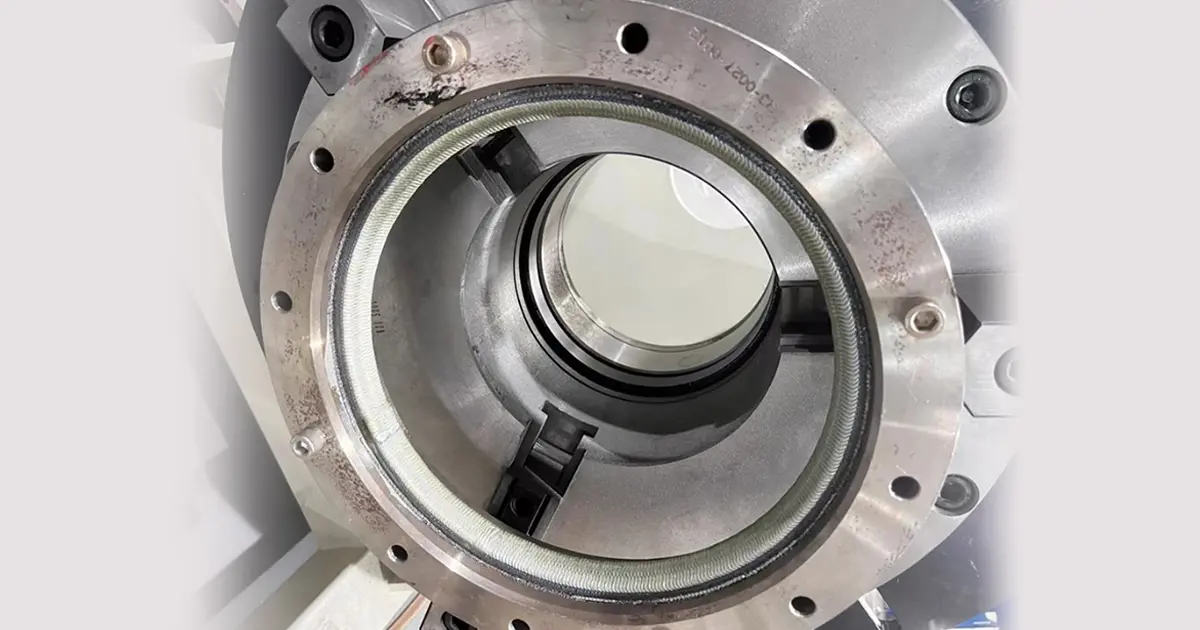 Valve Metallurgy Lead
"In industries such as mining, cement, power generation, steelmaking, chemical processing, and biomass energy, screw conveyors are often regarded as auxiliary equipment. However, maintenance data shows that they are among the most frequent causes of unplanned production d..."
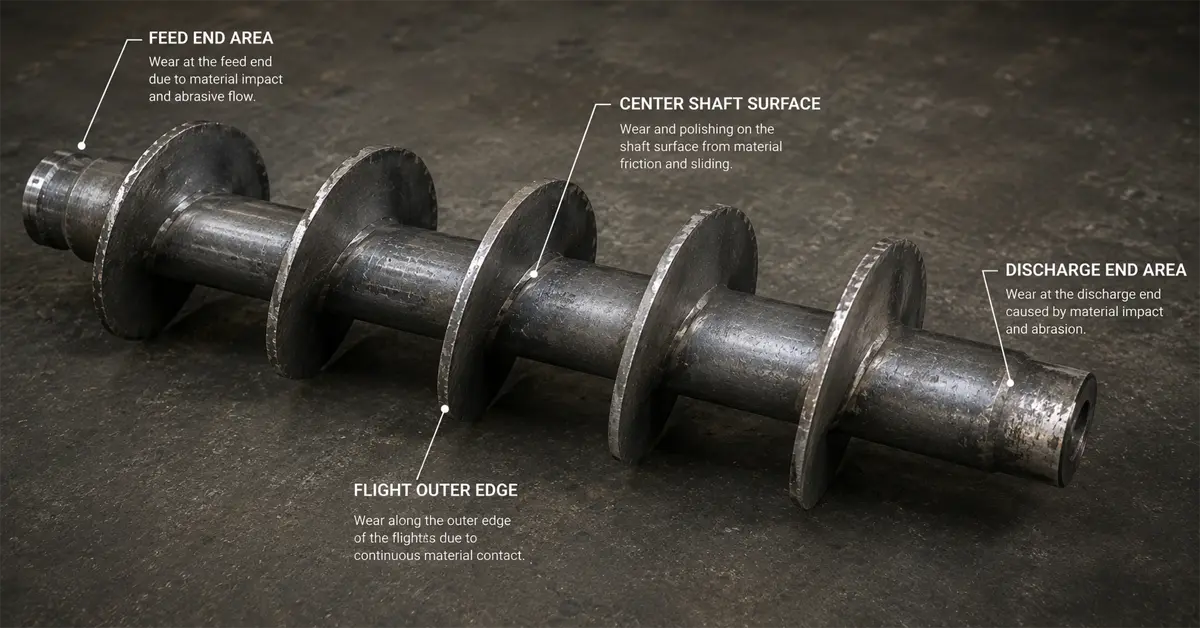 Mining Equipment Engineer
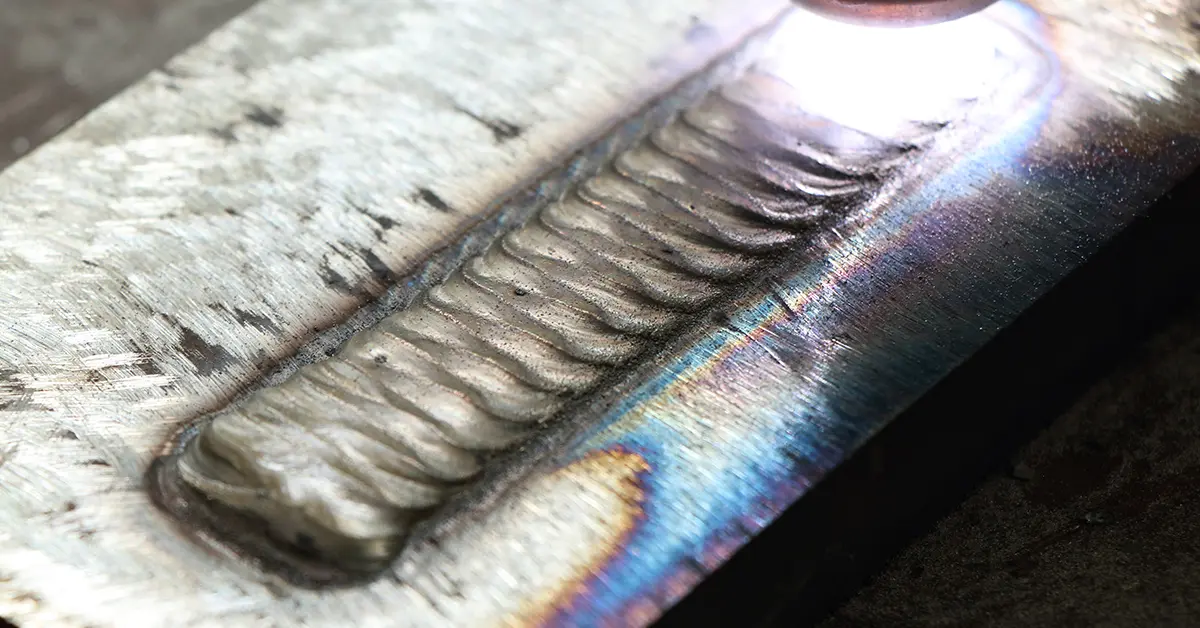
"In Plasma Transferred Arc (PTA) hardfacing, achieving a high-quality overlay is not only about selecting the right alloy powder or optimizing welding parameters. One of the most critical factors that directly affects overlay performance is the dilution rate. Whether you ..."
 Surface Quality Specialist
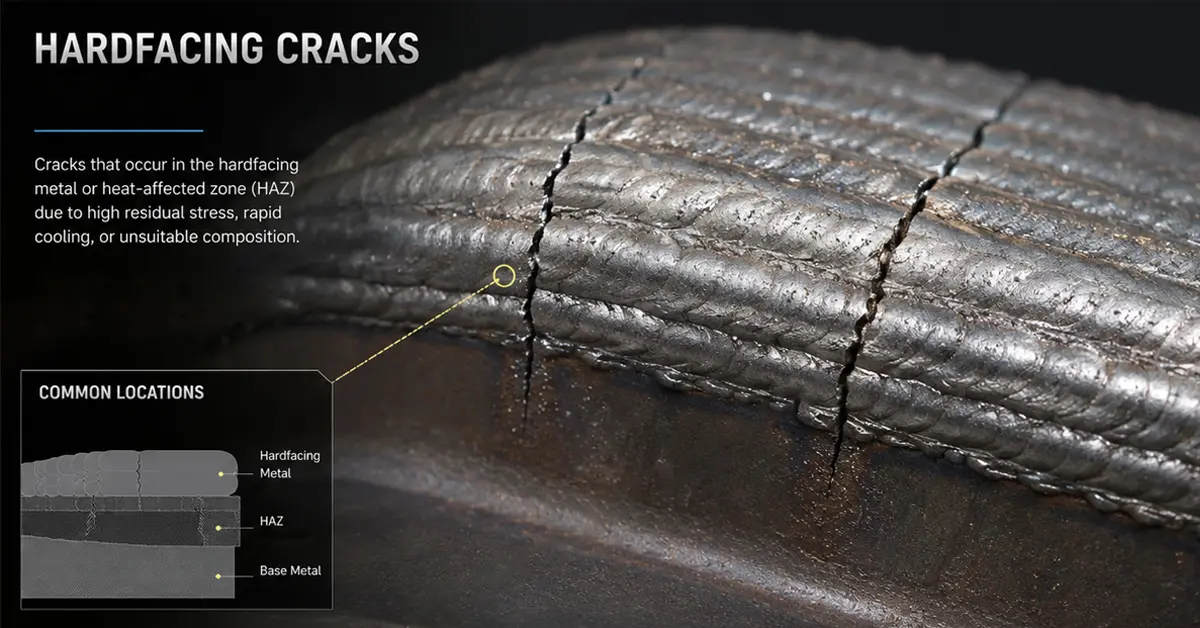
"In industries such as Oil & Gas, Mining, Power Generation, Cement, and Heavy Equipment Manufacturing, hardfacing is no longer just a repair process. It has become a critical technology directly related to equipment lifespan, downtime costs, maintenance frequency, and..."
 Maintenance Director
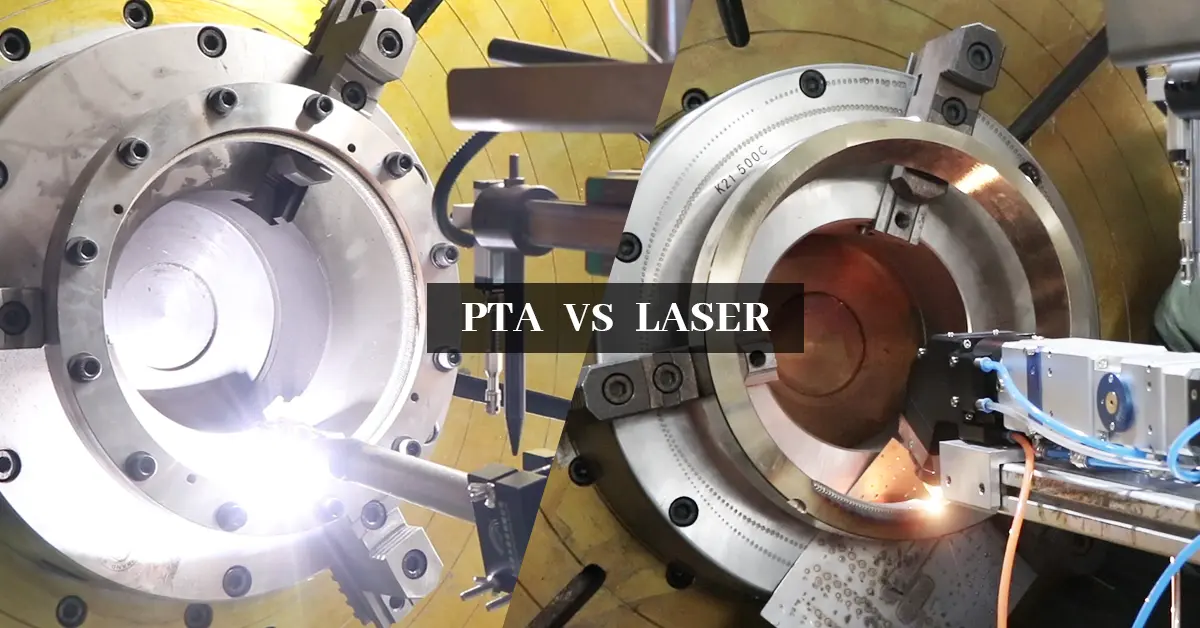
"In industries such as oil & gas, petrochemical, power generation, mining, and marine engineering, industrial valves are constantly exposed to severe operating conditions including: - High pressure - Extreme temperatures - Corrosive media - Abrasive wear - Sand e..."
 Petrochemical Project Manager
In-depth technical clarifications concerning metallurgical cladding processes, machine parameters, and system implementation.
While both processes use a non-consumable tungsten electrode and inert shielding gas (typically Argon) to generate an electric arc, they differ in energy density and alloy delivery.
TIG (GTAW) utilizes a free-burning arc where filler material is fed manually or mechanically via cold/hot wire. It offers superb localized control but is limited in deposition rates and often results in higher dilution (15-20%) unless parameters are meticulously managed.
PTA cladding utilizes a constricted arc forced through a copper nozzle, creating a collimated plasma column with double the energy density of a TIG arc. In addition, PTA utilizes powdered alloys carried directly into the plasma stream. This allows for dilution rates below 5%, rapid deposition, and the ability to process hard-to-draw cobalt and nickel-based superalloy powders.
Our DZB-NC401 and DML-V03CD systems achieve low dilution through strict digital synchronization of multiple variables:
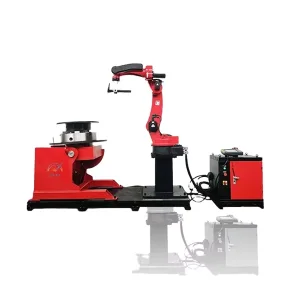
Yes. Shanghai Duomu provides specialized integration packages, combining our PTA/Laser torches with standard industrial 6-axis robotic arms. Through our advanced offline programming software and specialized DH3-HV1700-B06 manipulators, the system maintains a constant offset distance and torch angle perpendicular to complex geometric contours, such as pump impellers, helical screw flights, and hemispherical valve components.
PTA surfacing is compatible with a broad range of atomized metal powders:
Choose from our specialized, industrial-grade systems built for high productivity, robotic synchronization, and precise metallurgical controls.








 Duomu
Duomu