Explore our premium grade plasma transferred arc welding systems engineered for heavy-duty industrial wear protection and precise metallurgical bonding.
An in-depth analysis of high-end thermal surfacing processes, material integrity, and China's manufacturing integration.
In the modern manufacturing landscape, component longevity and surface integrity under extreme operating stresses dictate the competitive boundaries of heavy industries. PTA Schweißen (Plasma Transferred Arc welding) has emerged as a critical technology for surface engineering and protective cladding. Known for generating concentrated, high-energy thermal arcs, the PTA surfacing process is utilized globally to deposit wear-resistant, corrosion-resistant, and heat-resistant alloys onto metallic base substrates. This process yields a true metallurgical bond that outperforms traditional thermal spray techniques in bond strength, density, and impact tolerance.
As global supply chains demand longer machinery lifecycles and minimal downtime, the market for automated PTA hardfacing equipment has surged. China has established itself as a major hub for R&D and supply of these advanced systems. Operating at the intersection of material science and automated robotics, Chinese manufacturers like Shanghai Duomu provide versatile solutions that match the rigorous specifications of international engineering standards. From automated valve seats in the petrochemical sector to the continuous abrasion encountered in coal mining screws, PTA cladding systems are vital for keeping heavy-duty equipment running efficiently.
SEO Insight & Semantic Context: PTA Schweißen (frequently searched in European industrial sectors as "PTA-Schweißen" or "Plasma-Pulver-Auftragschweißen") serves as a bridge for companies transitioning from manual arc cladding to high-efficiency, automated metallurgical coating processes. This technology reduces substrate dilution and minimizes heat input, preserving the structural integrity of the base alloy.
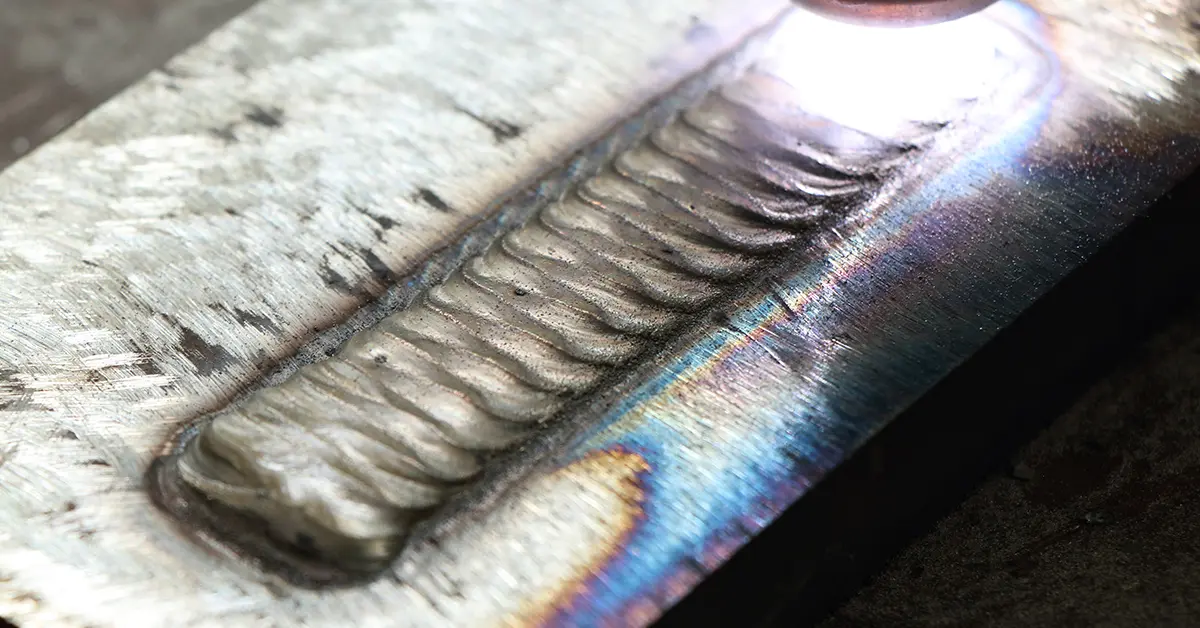
Understanding the microstructural mechanics of PTA Schweißen is essential for engineers making choices between cladding processes. In PTA welding, a dual gas flow system is utilized. The primary plasma gas (typically argon) passes through a constricted nozzle where it is ionized by a pilot arc. A transferred arc is then generated between the tungsten electrode and the workpiece. Powdered alloy materials—such as cobalt-based, nickel-based, or tungsten carbide composites—are fed pneumatically into this plasma column, melting and forming a highly dense deposit on the substrate.
While Laser Cladding offers concentrated heat zones and minimal dilution, PTA Schweißen provides a balanced alternative. It features high deposition rates, lower capital investment, and deep, robust metallurgical bonding. Dilution control remains the core operational metric. High dilution brings too much substrate chemistry into the protective layer, degrading its wear properties. Shanghai Duomu’s advanced closed-loop digital control systems allow operators to fine-tune energy profiles, maintaining dilution rates below 5% while ensuring maximum bond strength.
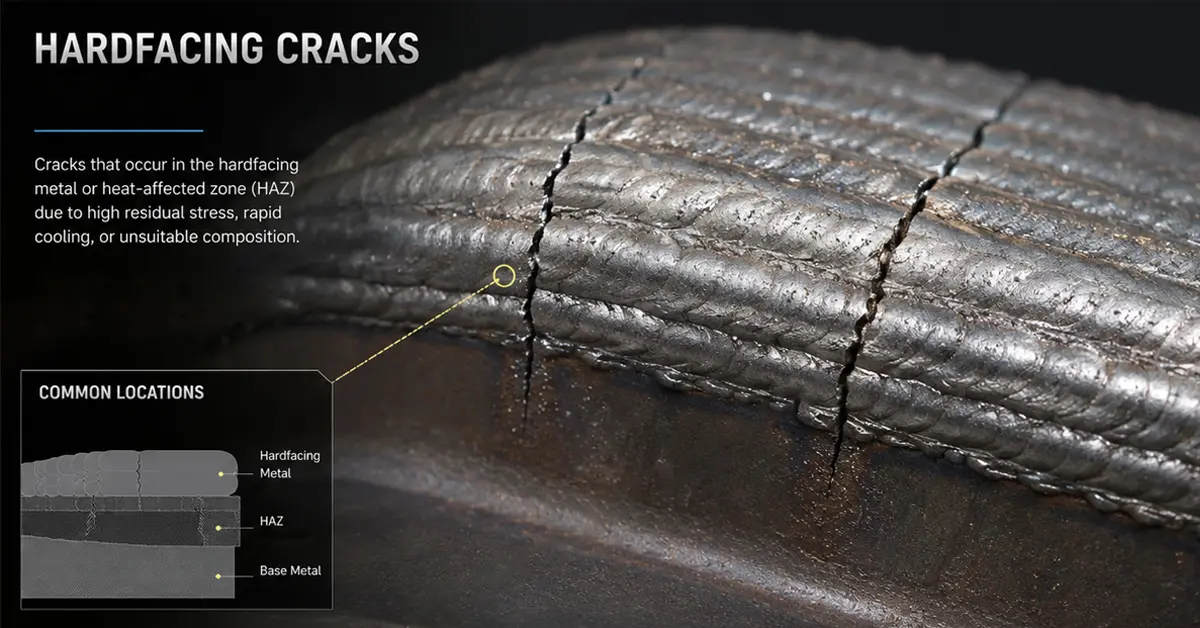
Maintains high energy density with directional control, minimizing heat-affected zones (HAZ) in base materials.
Enables deposition of Stellite, Colmonoy, and spherical tungsten carbides without losing carbide integrity.
Engineered powder delivery and arc control limit mixture with base metals, preserving cladding properties.
Exploring how PTA Schweißen and laser cladding systems address localized engineering challenges in heavy industries globally.
PTA cladding technology has expanded beyond specialized repair shops into full-scale production lines across diverse industries. The demands of these environments highlight the need for tailored surfacing solutions:



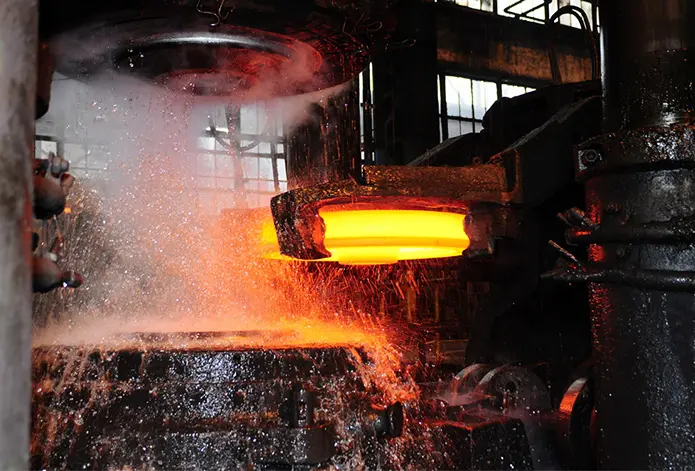
Additionally, PTA technology is heavily utilized in power generation and cement production. In cement plants, screw conveyors carry abrasive clinker under high thermal conditions. Unprotected screws wear down rapidly, causing unplanned maintenance stops. Applying a PTA alloy overlay with high chromium and tungsten carbides ensures continuous operation. Similarly, the petrochemical valve industry relies on PTA cladding for sealing surfaces. Hardfacing valve seats with cobalt-based alloys (like Stellite 6) protects against cavitation, corrosion, and high-temperature erosion in critical processing lines.
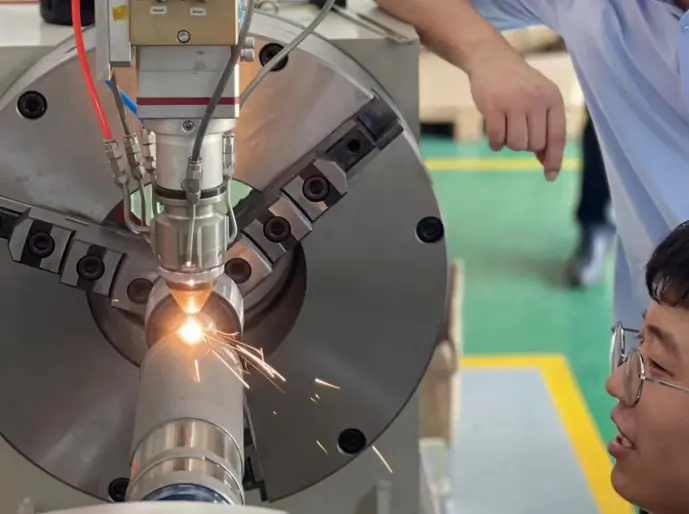
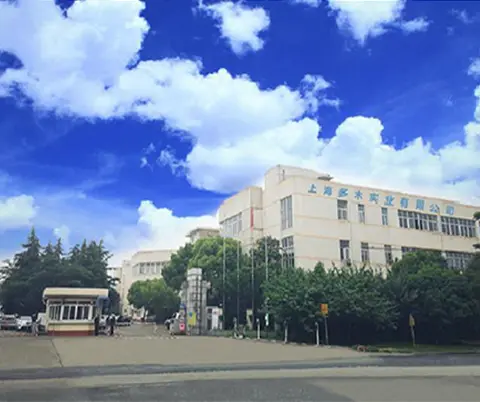
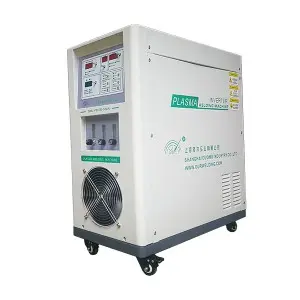
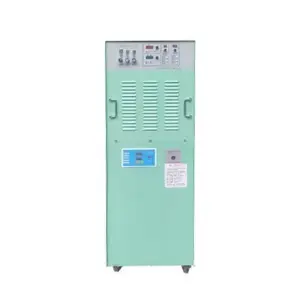
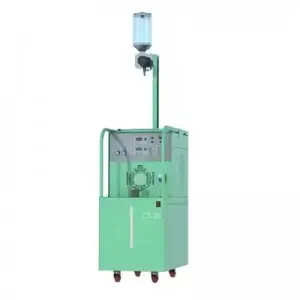
Shanghai Duomu has been a manufacturer and exporter of PTA cladding machines and Laser cladding systems for over a decade, supported by a strong technical background. The company operates an independent R&D department that designs, produces, and sells plasma cladding systems engineered for stable, long-term industrial operation.
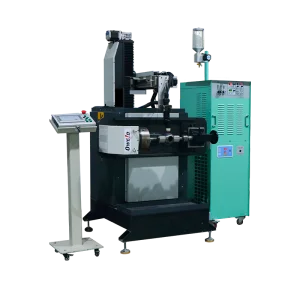
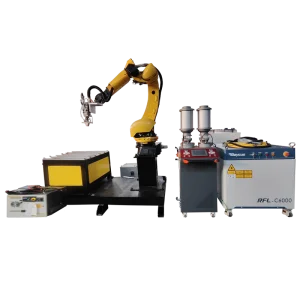
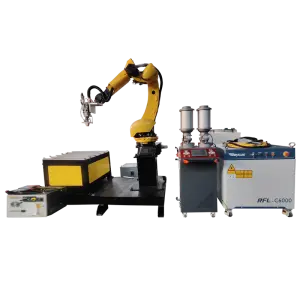
Our product portfolio includes custom automated systems, robotic cladding systems, and specialized equipment such as hydraulic rod cladding machines, pick cladding machines, and valve cladding systems. We provide complete industrial equipment solutions, offering process development, custom automation, and post-sale technical support to ensure smooth integration into customer workflows.
Insights from field applications demonstrating how PTA hardfacing solves wear and corrosion challenges.
"The PTA Welding Valve Application Guide is not just a process choice for valve manufacturers facing high wear, high corrosion, and high-temperature erosion working conditions, but also a key path to improving product competitiveness. As industries such as petrochemical, coal chemical, and power generation evolve, valves must withstand extreme mechanical stresses. PTA hardfacing delivers dense, defect-free coatings that resist oxidation and mechanical wear."
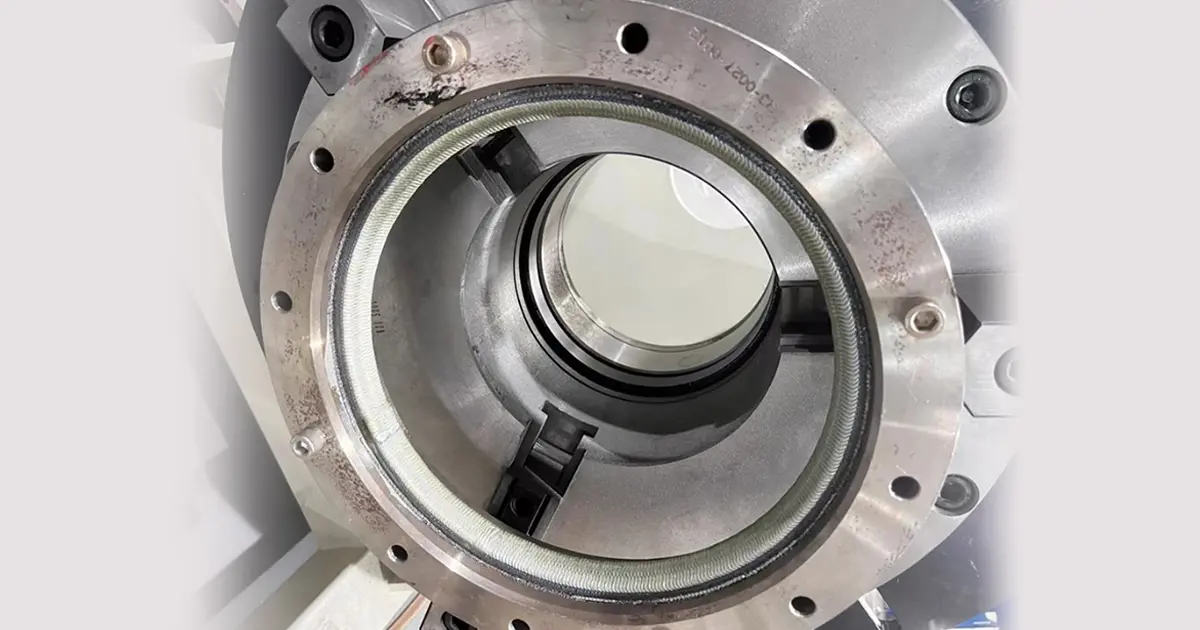
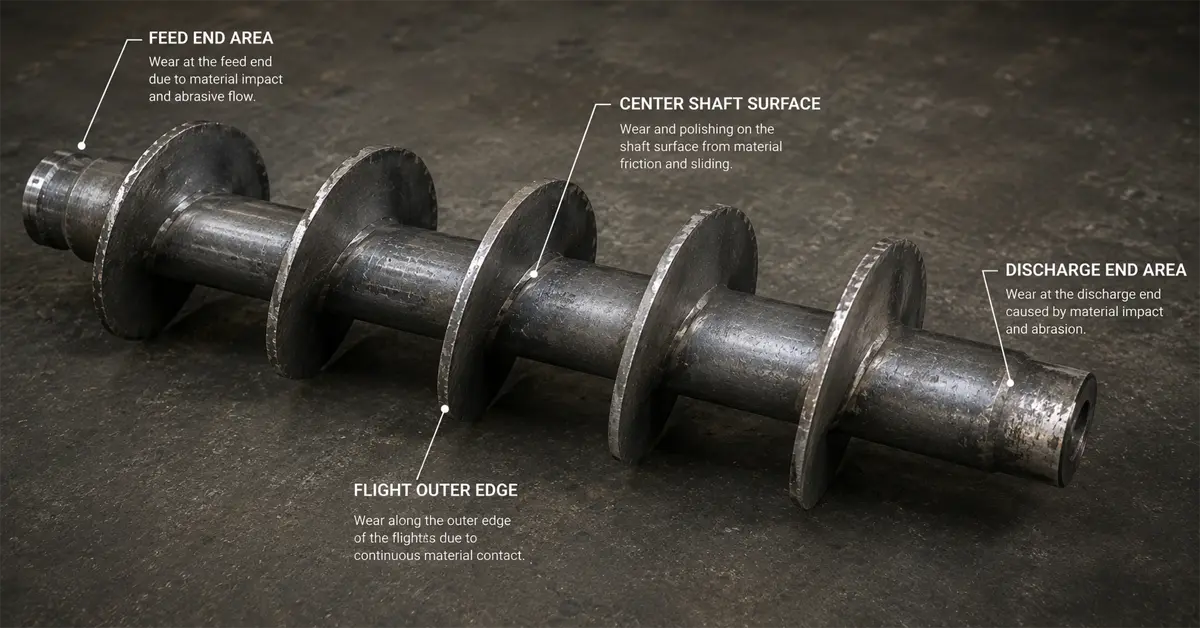
"In industries such as mining, cement, power generation, steelmaking, chemical processing, and biomass energy, screw conveyors are often regarded as auxiliary equipment. However, maintenance data shows that they are among the most frequent causes of unplanned production shutdowns. Our PTA hardfaced screw flights, clad with high-density tungsten carbides, resist severe abrasive wear, extending service life and lowering operating costs."
"In Plasma Transferred Arc (PTA) hardfacing, achieving a high-quality overlay is not only about selecting the right alloy powder or optimizing welding parameters. One of the most critical factors that directly affects overlay performance is the dilution rate. Whether you operate a manual or automated system, control over dilution ensures the clad layer retains the exact chemical properties of the hardfacing alloy."
"In industries such as Oil & Gas, Mining, Power Generation, Cement, and Heavy Equipment Manufacturing, hardfacing is no longer just a repair process. It has become a critical technology directly related to equipment lifespan, downtime costs, maintenance frequency, and overall operating margins. PTA cladding provides a cost-effective method to design parts with inexpensive base steels coated in high-performance alloys."
"In industries such as oil & gas, petrochemical, power generation, mining, and marine engineering, industrial valves are constantly exposed to severe operating conditions including: high pressure, extreme temperatures, corrosive media, and sand erosion. Selecting the right PTA welding system ensures protective overlays remain intact, preventing failures under tough field conditions."
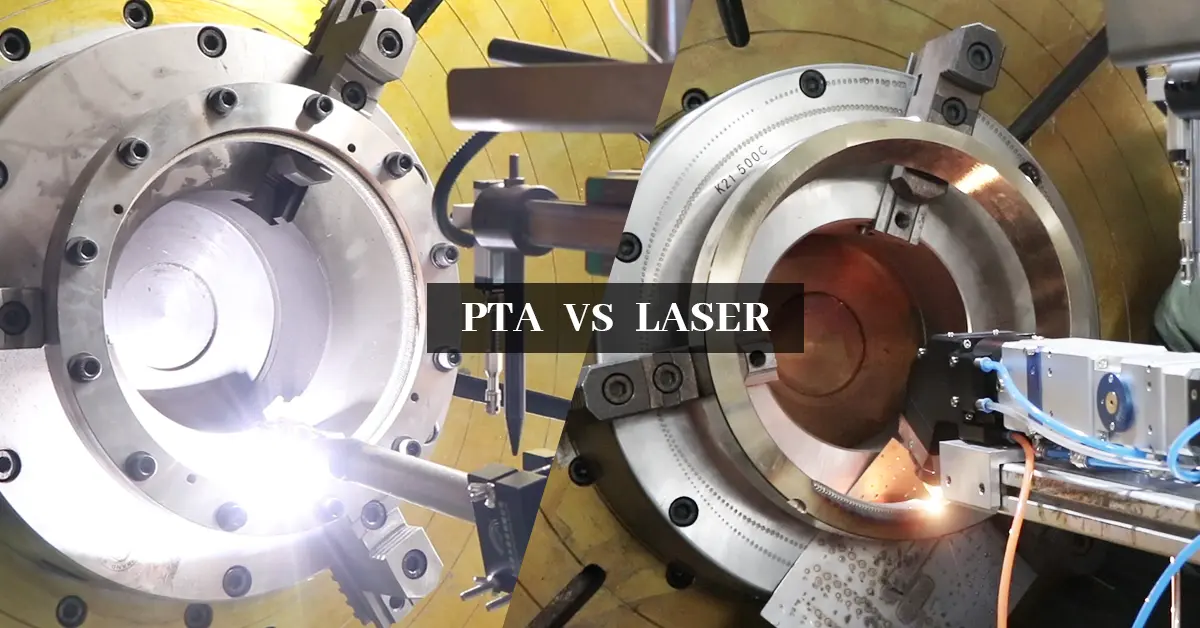
Custom-engineered plasma cladding and laser hardening configurations built to handle specialized manufacturing operations.
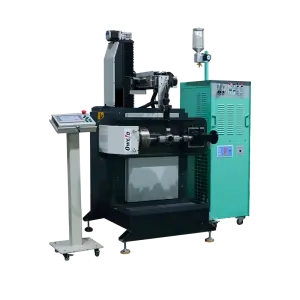
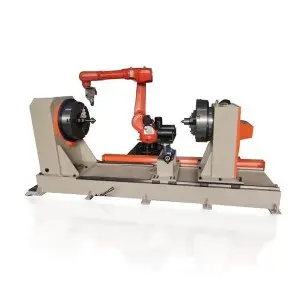
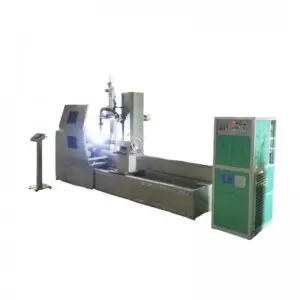
The transition toward Industry 4.0, real-time closed-loop sensing, and automated material deposition.
As smart manufacturing expands, the design and deployment of PTA Schweißen systems are evolving. The integration of Artificial Intelligence (AI) and Machine Learning algorithms into plasma arc controllers is shifting operations from manual configuration to real-time closed-loop parameter adjustment. Shanghai Duomu is tracking this shift, focusing R&D efforts on key technical improvements:
Expert answers addressing technical and commercial queries regarding Plasma Transferred Arc welding processes.
PTA (Plasma Transferred Arc) welding utilizes a highly concentrated plasma column, which provides a higher energy density than MIG or TIG. This allows for lower dilution rates (typically under 5%), minimal heat input, a reduced Heat-Affected Zone (HAZ), and the ability to process fine powder compositions, resulting in a dense and smooth protective overlay.
Substrate dilution occurs when the base metal melts and mixes with the deposited alloy. If dilution is too high (e.g., above 15%), the wear-resistant elements in the alloy (like cobalt or chromium) are diluted by the iron from the substrate, degrading the coating's wear and corrosion resistance. PTA systems are designed to keep dilution low to ensure the clad layer maintains its intended alloy properties.
Yes. PTA is a preferred method for depositing nickel-based or cobalt-based matrix powders mixed with tungsten carbide. Because the heat input can be precisely controlled, the carbides can be embedded into the matrix without completely melting, providing high wear resistance under severe abrasion.
Common materials include cobalt-based alloys (Stellite) for high-temperature and metal-to-metal wear, nickel-based alloys (Colmonoy) for corrosion and wear resistance, and iron-based alloys for cost-effective sliding wear protection. PTA systems can also process custom metal matrix composites (MMCs).
Yes, PTA is highly suitable. It is widely used to repair worn shafts, hydraulic rods, continuous caster rolls, extruder screws, and valve seats, restoring these parts to original dimensions with enhanced surface properties at a fraction of the cost of new parts.
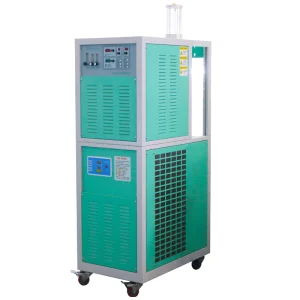
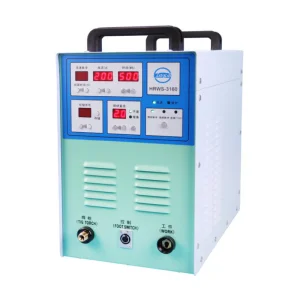
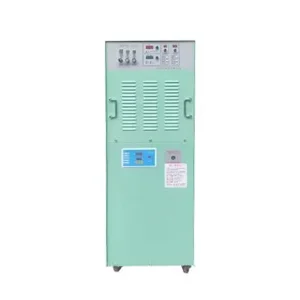
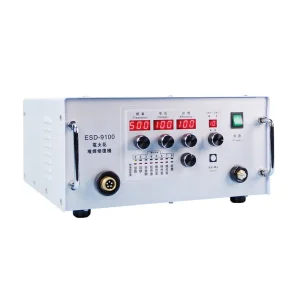
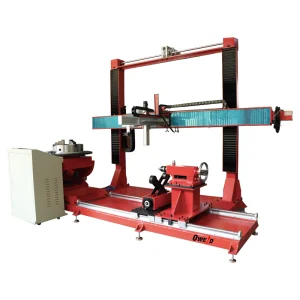
Shanghai Duomu provides custom integrations, including multi-axis gantry systems, positioning turntables, and robotic cells tailored to specific part geometries. We supply the complete setup: the plasma power supply, PLC system, powder feeder, and torch configurations.
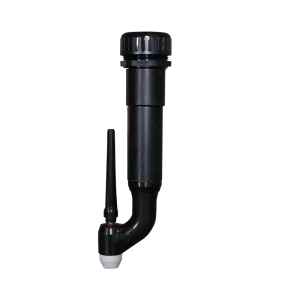
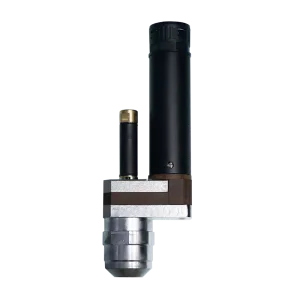
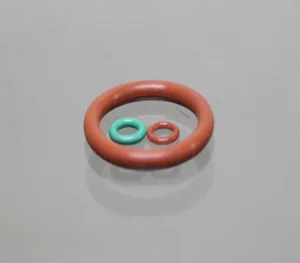
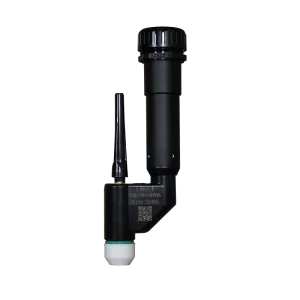
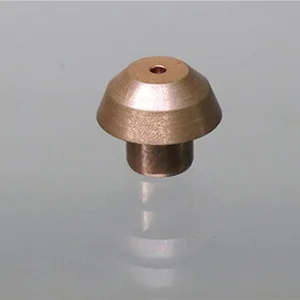
Select OEM-grade replacement components, robust plasma transferred arc nozzles, and precision torches engineered for continuous operation.







 Duomu
Duomu