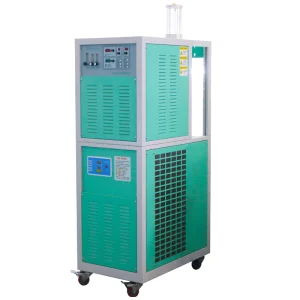
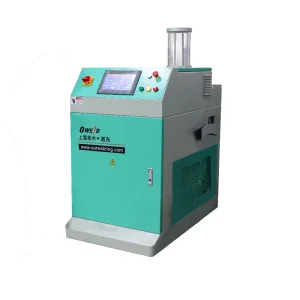
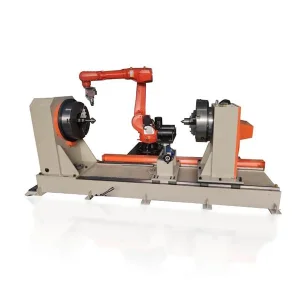
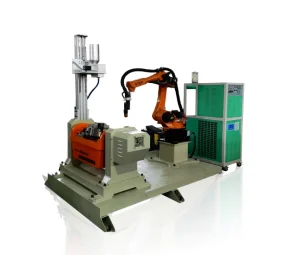
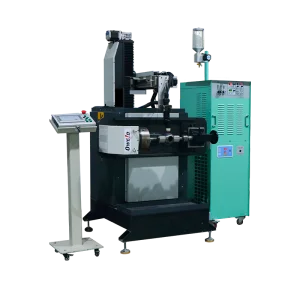
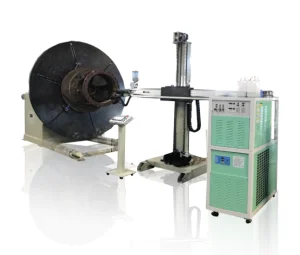
High-precision plasma powder surfacing and laser cladding solutions developed for high-wear industrial applications.
Shanghai Duomu has been a leading manufacturer and exporter of PTA cladding machine and Laser cladding machine for more than ten years with a strong technical background. Our custom cladding solutions are engineered to extend the service life of critical metal components operating under severe abrasion, corrosion, and high thermal demands.
Read More About Us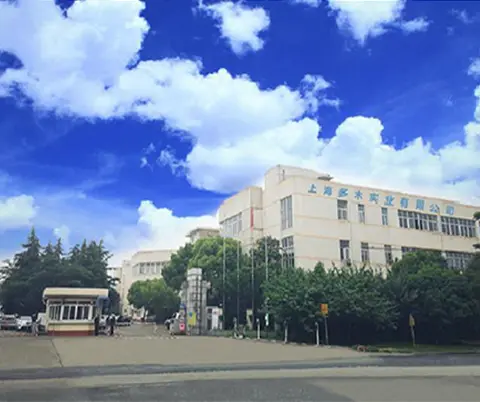
A socio-technical and macroeconomic evaluation of automated surfacing, laser heat treatments, and human-robot collaboration.
The global manufacturing sector stands at a critical intersection. Heavy industries struggle with an aging skilled labor force, escalating safety regulations, and the need for higher throughput. This prompts the question: Will welding be completely replaced by robots? The response requires a careful distinction between basic structural welding and high-precision metallurgical cladding. Traditional manual welding is giving way to automated system orchestration, reshaping the role of modern welding operators.
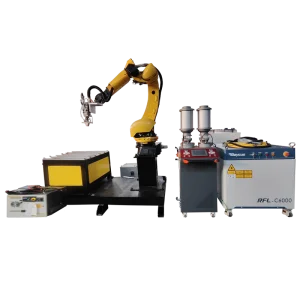
The American Welding Society (AWS) projects a significant shortage of qualified welding professionals in the coming years. This deficit is driven by the retirement of experienced welders and a decline in new entrants to trade programs. Automated systems like the DH1440-B06 Automatic plasma surfacing robot address this gap by handling repetitive, physically demanding welding tasks. This allows human operators to focus on programming, quality assurance, and system optimization.
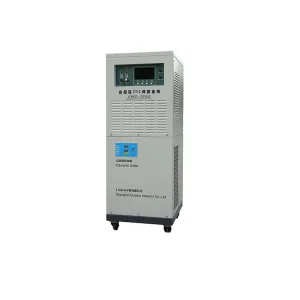
In applications involving high-precision hardfacing and thermal surfacing, robotic automation is often necessary to meet quality requirements rather than just a way to reduce labor costs. Plasma Transferred Arc (PTA) cladding and laser cladding demand precise control over deposit depth, dilution rates, and cooling rates. A manual welder cannot easily maintain the consistent travel speed and torch angle needed to keep dilution levels below 5% across a ten-hour shift. In contrast, automated systems like the DZB-NC401 Automatic plasma cladding system deliver consistent, repeatable overlays that minimize material waste and post-weld machining.
"The shift from manual welding to automated systems is not simply about replacing labor; it is about achieving metallurgical properties and repeatability that manual techniques cannot replicate."
The future of welding lies in collaboration rather than complete replacement. Collaborative robots (cobots) work alongside human welders, combining human problem-solving and adaptiveness with robotic precision. While a robot manages the thermal profile and metal deposition, the operator oversees the molten weld pool in real-time, adjusts parameters for material variations, and sets up complex geometry pathways. This keeps human expertise at the center of the manufacturing process.
The technical innovations shaping the future of industrial surface modification and wear protection.
Modern robotic welding systems integrate real-time optical and thermal sensors to track the weld pool. The system dynamically adjusts travel speed, powder feed rate, and arc current to ensure uniform overlay thickness, even on uneven substrates.
With alloy powders containing expensive elements like Cobalt and Nickel, minimizing waste is critical. High-efficiency powder feeders and recovery systems improve utilization rates, lowering the total cost of ownership (TCO).
Complex workpieces like turbine blades and ball valves require multi-axis coordination. Integrating a 6-axis robotic arm with dual-axis positioners enables continuous, single-pass cladding on complex, non-planar geometries.
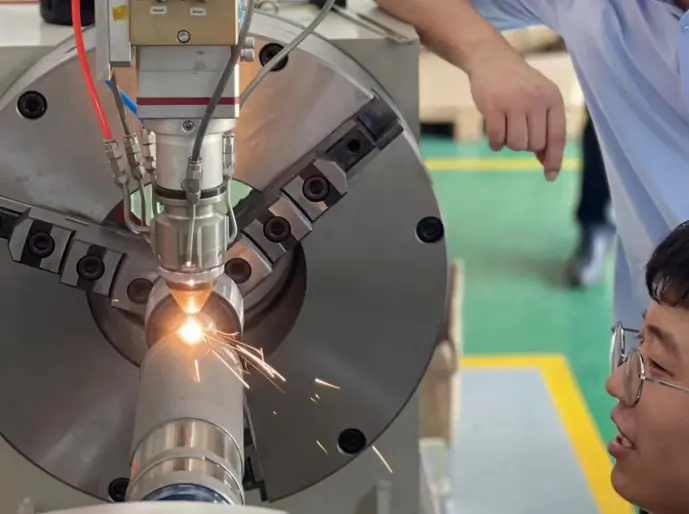
We maintain an independent R&D team that develops, produces, and sells plasma cladding machine equipment. Our welding machines are engineered for stable performance and reliable long-term operation under heavy industrial loads. Additionally, the laser cladding equipment we offer is designed to support large-scale remanufacturing projects. We utilize established engineering methodologies to provide comprehensive industrial equipment solutions tailored to your production requirements.
From custom-built gantry designs to compact, portable field machines, our technical department supports your project from initial metallurgical consultation through to final factory integration.
Connect With An EngineerOur engineering impact across heavy manufacturing sectors worldwide.
At present, the company's products have penetrated into many fields such as aerospace military industry, nuclear power, petrochemical industry, coal mines, metallurgy and forging, agriculture, water conservancy and electric power, etc.

Protecting tillage tools, subsoilers, and harvesting components from abrasive soil wear.

High-precision repairs and protective cladding on superalloys, turbine casings, and structural aerospace assemblies.
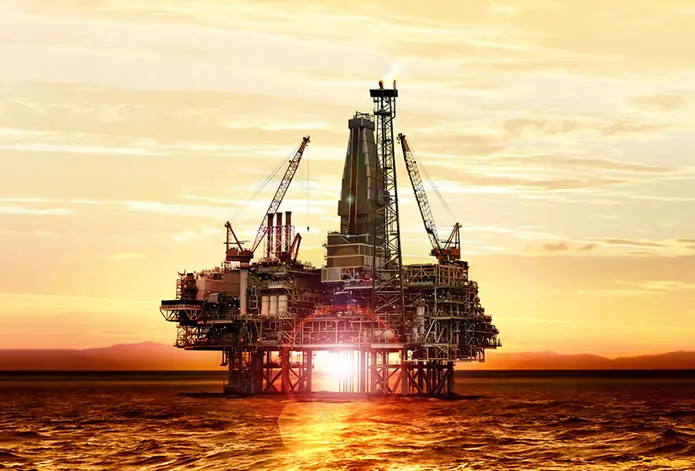
Providing corrosion and abrasion resistant coatings for drill collars, valves, and offshore pump internals.
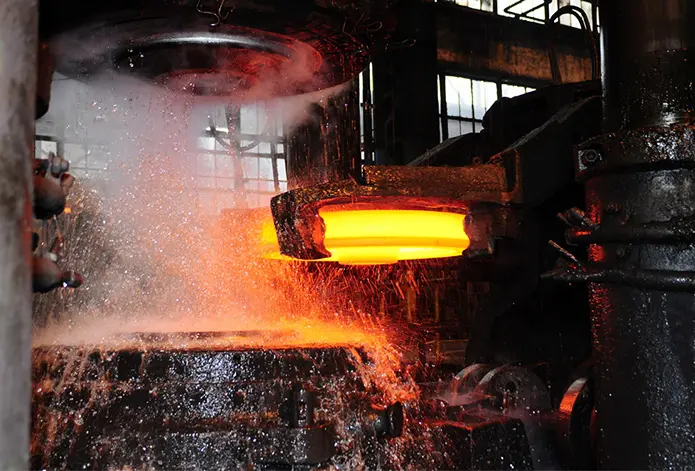
Remanufacturing steel mill rolls, continuous casting guides, and extrusion dies exposed to severe thermal fatigue.
We provide customized equipment, automatic laser cladding equipment, automatic plasma cladding equipment, and intelligent robot cladding systems tailored to customer requirements. Our offerings include specialized machinery for key industry components, such as hydraulic rod cladding machines, pick cladding machines, and valve cladding systems.
Request a Custom Layout Design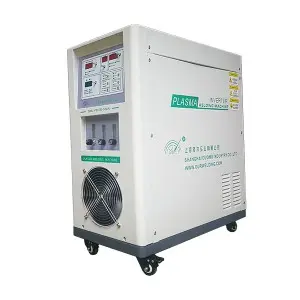 DML-V03CD Surfacing
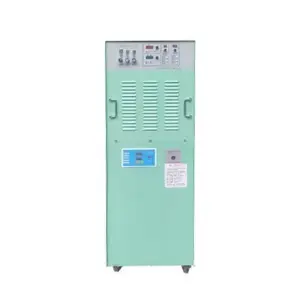 Multifunctional PTA
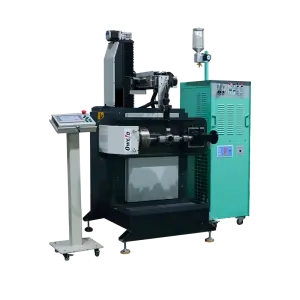 Ball Valve DQF-LC602
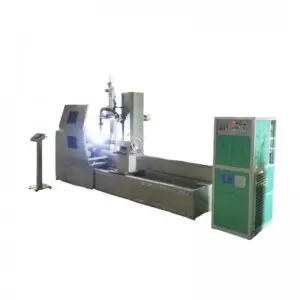 DYY-LC501 Hydraulic Rod
How technical buyers assess supplier capability, quality assurance systems, and ROI indicators.
Industrial procurement teams require compliance with ISO 9001 and CE standards. For pressure-retaining components like valves, compliance with ASME Section IX welding procedures is essential.
Modern systems require easy programming interfaces, multi-axis path simulation, and quick changeover programs for different workpiece geometries, reducing dependency on highly specialized programmers.
Buyers assess the consumption rate of shielding gases (Argon/Helium), the service life of consumable parts like torches and electrodes, and the availability of replacement components.
We design and assemble our automated PTA and laser cladding systems to meet international electrical, mechanical, and safety standards, facilitating integration into global manufacturing lines.
Every cladding machine undergoes 72 hours of continuous simulated load testing prior to shipment to verify thermal stability and control loop accuracy.
Gas flow meters, powder feed rates, and arc voltage controllers are factory-calibrated against NIST-traceable reference tools.
Weld overlay specimens are cross-sectioned and inspected for micro-cracks, porosity, and hard phase distribution to ensure specifications are met.
Our ongoing technical focus areas to address the shifting demands of industrial surfacing.
Integrating real-time laser profile scanners with pyrometers to monitor the thermal characteristics and dimensions of the weld track during deposition.
Using sensor-driven feedback loops that adjust laser output or arc current dynamically, helping to prevent defects like lack-of-fusion and cracking on complex workpieces.
Replacing manual toolpath programming with systems that analyze 3D scans of worn parts, determine the repair requirements, and generate optimized deposition paths automatically.
Clear answers to technical inquiries regarding automated PTA & Laser cladding equipment.
No, robots are not expected to completely replace human welders. Instead, they shift the human role from manual execution to system management. Highly repetitive or dangerous tasks, such as long-cycle cladding, are increasingly automated. However, tasks requiring complex positioning, real-time adjustments, and customized engineering still rely on human expertise.
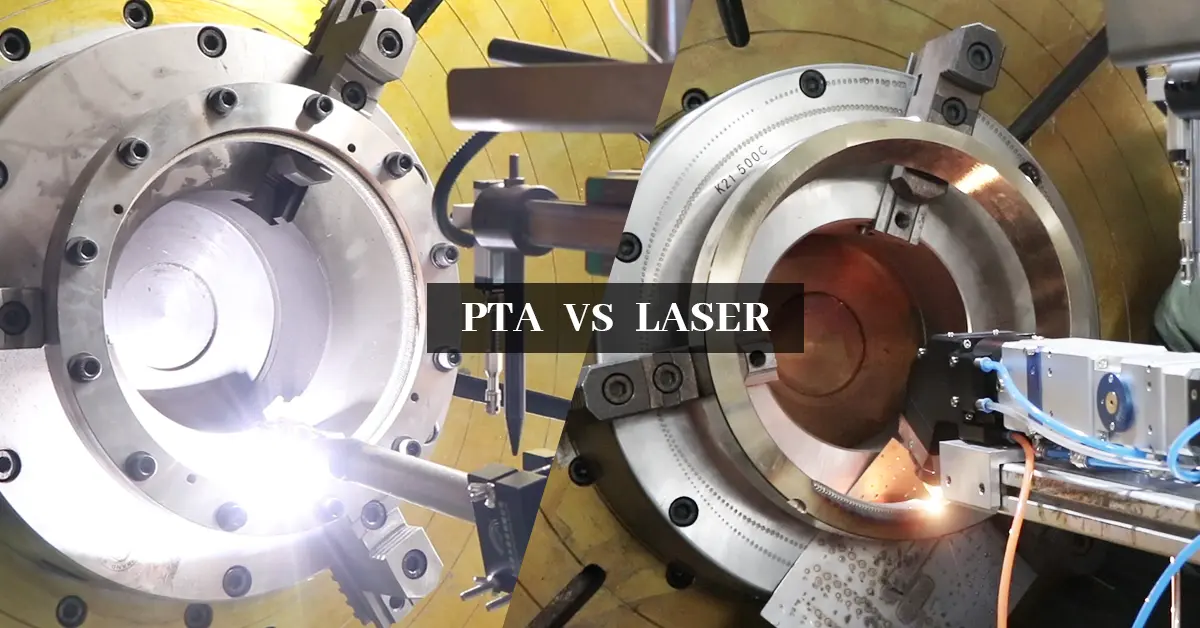
PTA cladding utilizes a transferred plasma arc as the heat source, offering high deposition rates (typically 2-10 kg/hr) and excellent metallurgical bonding. Laser cladding uses a focused laser beam, which provides lower heat input, a smaller heat-affected zone (HAZ), and lower dilution rates, making it suitable for thin-walled parts and high-precision applications.
By maintaining consistent travel speeds, torch-to-workpiece distances, and power inputs, automated cladding systems keep dilution rates low. In manual welding, slight changes in travel speed can increase heat input and cause excess base metal to melt into the overlay, reducing its hardness and corrosion resistance.
We assist global customers through remote startup consulting, customized programming support, and comprehensive training programs. Our systems can also be configured with remote maintenance modules for diagnostics and software updates, helping to minimize unplanned downtime.
Feedback from engineers and operators on the deployment of automated PTA and laser cladding solutions.
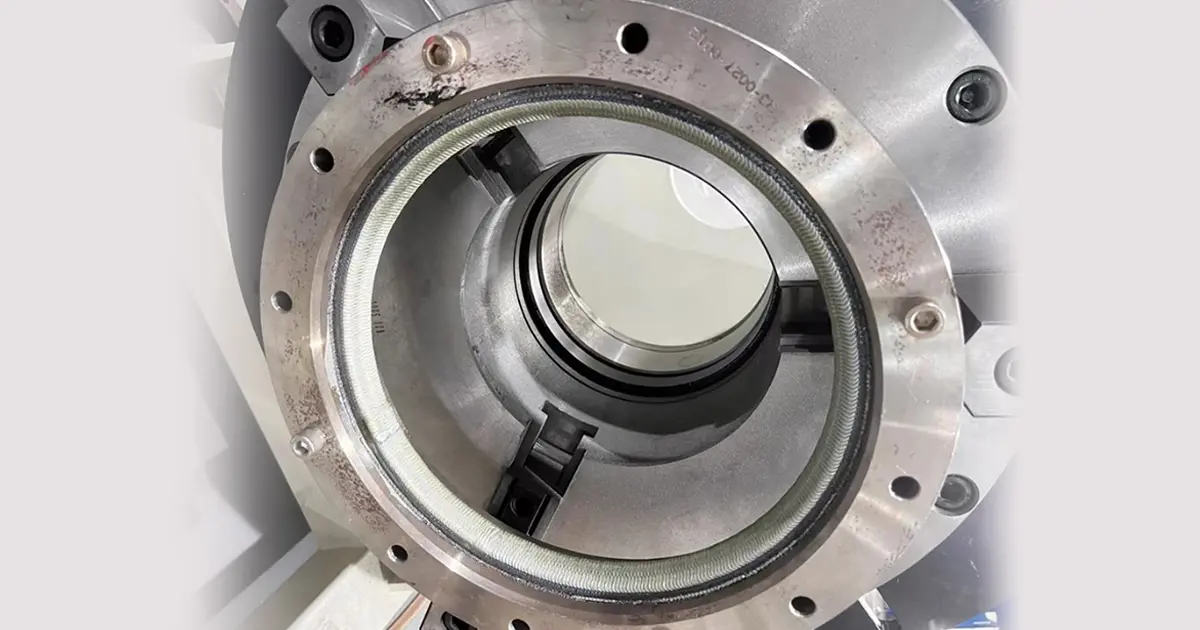
"The PTA Welding Valve Application Guide is not just a process choice for valve manufacturers facing high wear, high corrosion, and high-temperature erosion working conditions, but also a key path to improving product competitiveness. As industries such as petrochemical, ..."
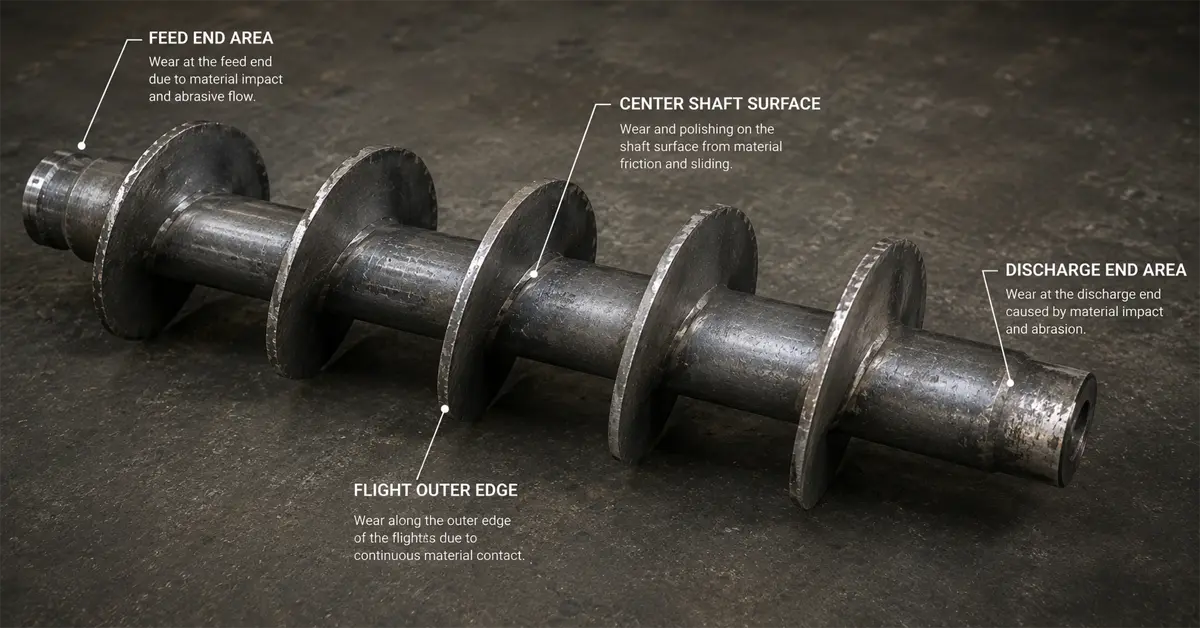
"In industries such as mining, cement, power generation, steelmaking, chemical processing, and biomass energy, screw conveyors are often regarded as auxiliary equipment. However, maintenance data shows that they are among the most frequent causes of unplanned production d..."
"In Plasma Transferred Arc (PTA) hardfacing, achieving a high-quality overlay is not only about selecting the right alloy powder or optimizing welding parameters. One of the most critical factors that directly affects overlay performance is the dilution rate. Whether you ..."
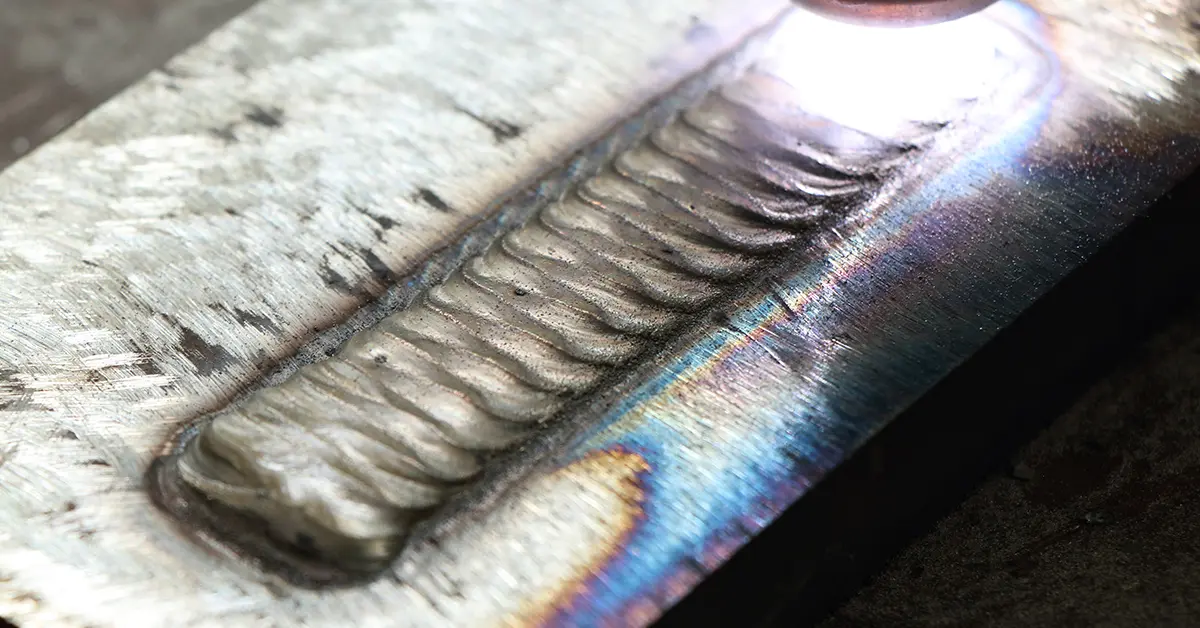
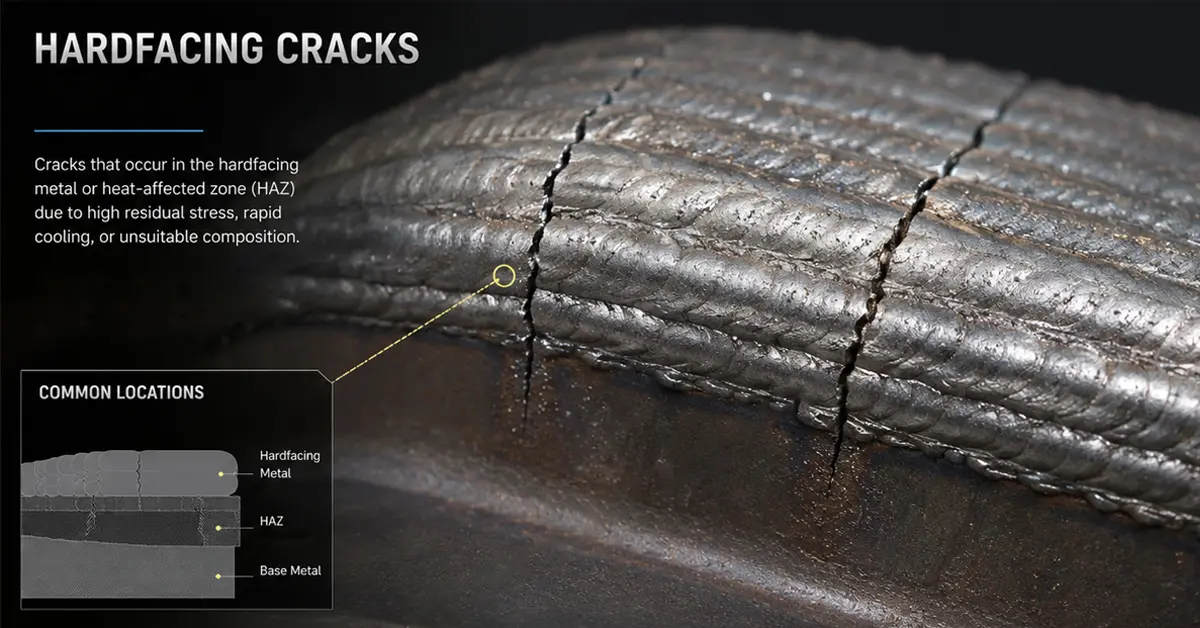
"In industries such as Oil & Gas, Mining, Power Generation, Cement, and Heavy Equipment Manufacturing, hardfacing is no longer just a repair process. It has become a critical technology directly related to equipment lifespan, downtime costs, maintenance frequency, and..."
"In industries such as oil & gas, petrochemical, power generation, mining, and marine engineering, industrial valves are constantly exposed to severe operating conditions including: - High pressure - Extreme temperatures - Corrosive media - Abrasive wear - Sand e..."







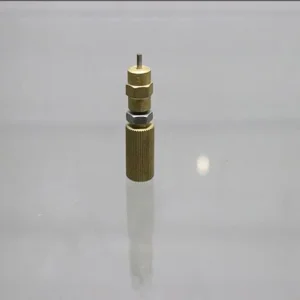
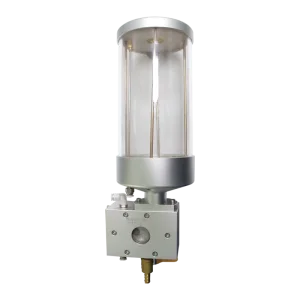
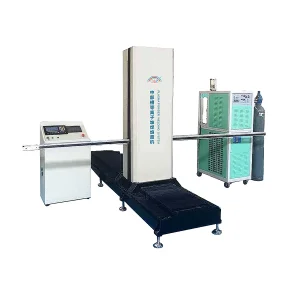
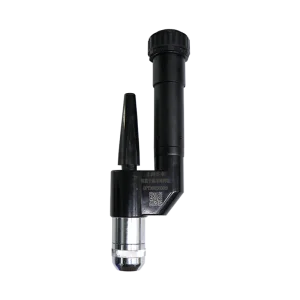
High-precision powder feeders, electrodes, and torches engineered for reliable performance in robotic setups.
For inquiries about our products or pricelist, please leave your contact details below, and we will get back to you within 24 hours.
 Duomu
Duomu