Engineered for minimal thermal dilution and outstanding wear resistance in severe-duty environments.
Understanding the fundamental differences in power delivery, metallurgy, deposition, and industrial application.
In modern industrial fabrication, choosing between TIG (Gas Tungsten Arc Welding - GTAW) and MIG (Gas Metal Arc Welding - GMAW) systems is a critical decision that influences structural integrity, manufacturing speed, and production economics. While both methodologies utilize electric arcs and protective shielding gases, their operational physics and thermal footprints differ significantly.
Soldadora TIG (GTAW) employs a non-consumable tungsten electrode to generate the arc. The filler metal, if required, is introduced manually or through a cold wire feeder. This configuration delivers unparalleled control over heat input, enabling precise micro-welds and minimal distortion in thin-gauge materials. It is the gold standard for high-purity piping, aerospace structures, and cladding base operations.
Conversely, Soldadora MIG (GMAW) uses a continuous, consumable wire electrode fed through a gun, which simultaneously acts as the filler metal. This allows for dramatically higher deposition rates, making it the preferred system for heavy industrial structural assembly, automotive manufacturing, and high-volume operations where deposition speed determines cost viability.
| Performance Characteristic | TIG (Tungsten Inert Gas / GTAW) | MIG (Metal Inert Gas / GMAW) | PTA / Laser Cladding (Advanced Duomu Tech) |
|---|---|---|---|
| Electrode Type | Non-Consumable Tungsten (Pure or Alloyed) | Consumable Continuous Wire Spool | Non-Consumable Cathode + Powder Feed |
| Deposition Rate | Low (0.5 – 2.0 kg/hr) | High (2.0 – 8.0 kg/hr) | Extreme Precision & High Thickness control |
| Heat Affected Zone (HAZ) | Extremely Narrow & Highly Controlled | Medium to Wide (Higher Heat Input) | Micro-localized (Minimum distortion) |
| Base Metal Dilution | Low (approx. 8% - 15%) | High (approx. 15% - 30%) | Ultra-low (< 5% for PTA, < 2% for Laser) |
| Operator Skill Requirement | Exceptionally High (Manual coordination) | Moderate (Semi-automated trigger control) | System Programming / Automation Specialist |
| Ideal Applications | Stainless steel, aerospace, precision joints | Structural steel, fast production, thick plates | Heavy-duty surface restoration, anti-wear overlays |
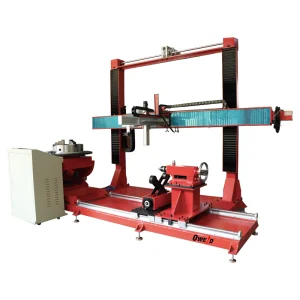
Shanghai Duomu has been a leading manufacturer and exporter of PTA cladding machine and Laser cladding machine for more than ten years with a strong technical background. Our dedicated R&D division has spent a decade refining the boundaries between conventional welding arc dynamics and advanced plasma transferred arc (PTA) cladding. We bridges the gap between high-precision TIG-grade control and high-efficiency MIG-grade metal deposition.
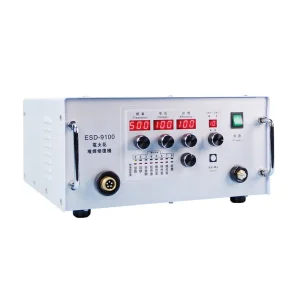
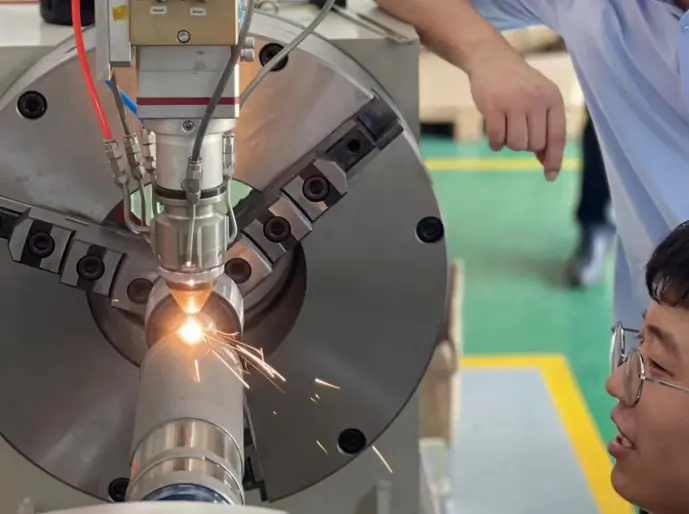
We operate an independent R&D team that develops, produces, and sells plasma cladding machine equipment. Our welding machines exhibit exceptionally stable performance and maintain efficient, long-term continuous operation under the most demanding industrial environments. In addition, the laser cladding equipment sold by the company can effectively support large-scale remanufacturing projects. We possess mature technological means to provide complete sets of industrial equipment solutions customized to your specific metallurgy objectives.

From deep-sea drilling to planetary flight components, Duomu machinery guarantees surface integrity.

Enhancing wear life on plowshares, conveyor chains, and processing gears operating in harsh abrasive soils.

Delivering high-precision weld joints and hardfacing with zero tolerance for internal structural voids or micro-cracks.

Cladding valves and drill heads to endure high pressure, corrosive gases, and erosive fluid movements.
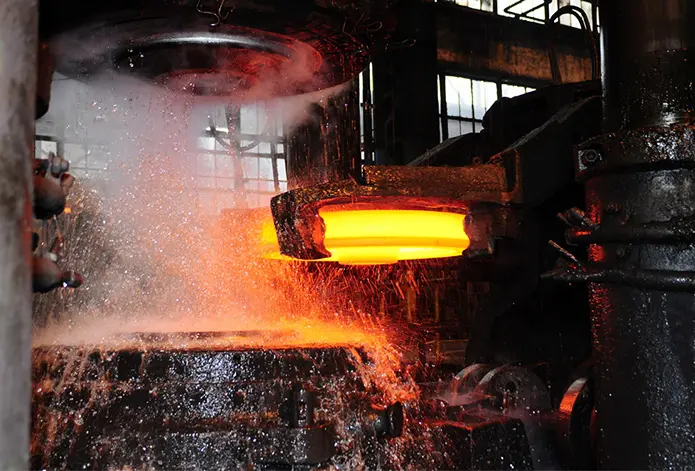
Restoring heavy forging dies, continuous casting rolls, and high-heat furnaces exposed to severe thermal fatigue.
How Shanghai Duomu minimizes total cost of ownership (TCO) while guaranteeing international regulatory compliance.
By leveraging regional supply chains for high-purity electrical controls, high-grade gas manifolds, and precision robotic chassis components, Shanghai Duomu is able to shorten production cycles from standard 120 days down to 45-60 days. This supply density keeps input costs highly competitive without sacrificing components like heavy-duty IGBT modules, Siemens PLCs, and robust metal feeders.
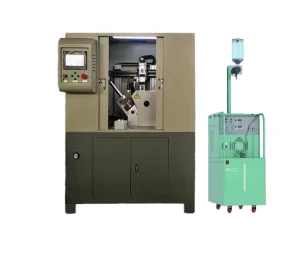
We provide highly customized machinery, including automatic laser cladding equipment, automatic plasma cladding equipment, and intelligent robot cladding setups. Whether it's specialized equipment like hydraulic rod cladding machines, coal mine pick cladding setups, or double-gantry systems, our in-house engineering team designs systems tailored to your local grid constraints (e.g., 220V/380V/480V 50-60Hz variations).
Every Shanghai Duomu machine is designed in compliance with international electrical and worker safety codes. Our systems undergo testing under ISO 9001 quality management procedures and carry CE certifications. The integrated gas manifolds and high-pressure plasma systems feature mechanical and software interlocks to protect operators from arc-flash, accidental gas leakage, and high-frequency start interference.
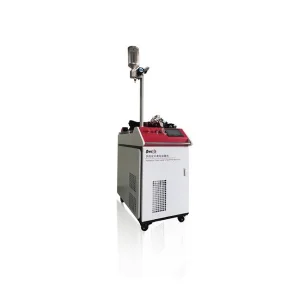
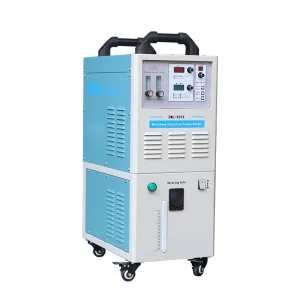
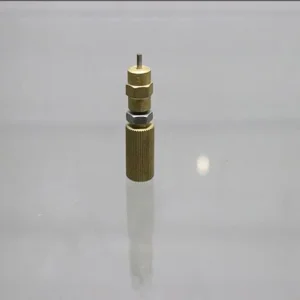
Select specialized equipment from our flagship industrial series, configured to outlast traditional options.
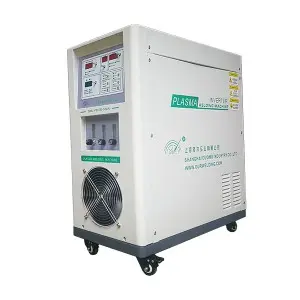
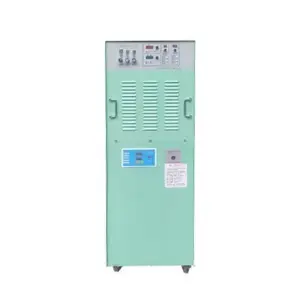
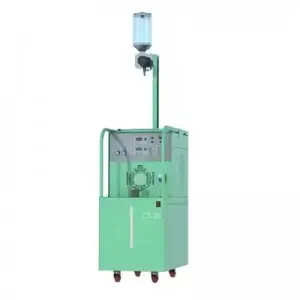
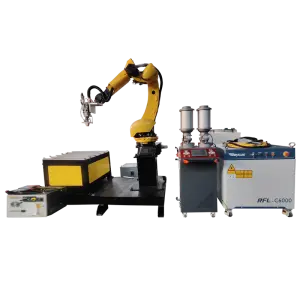
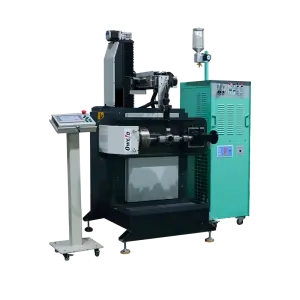
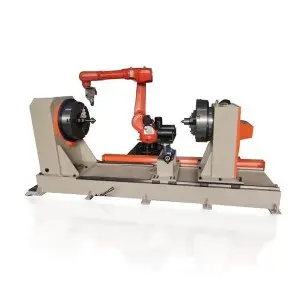
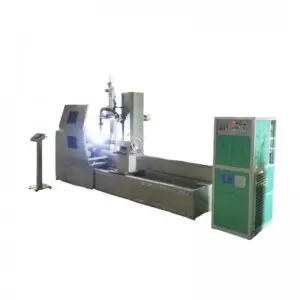
Documented deployment outcomes demonstrating metallurgical durability in the field.
"The PTA Welding Valve Application Guide is not just a process choice for valve manufacturers facing high wear, high corrosion, and high-temperature erosion working conditions, but also a key path to improving product competitiveness."
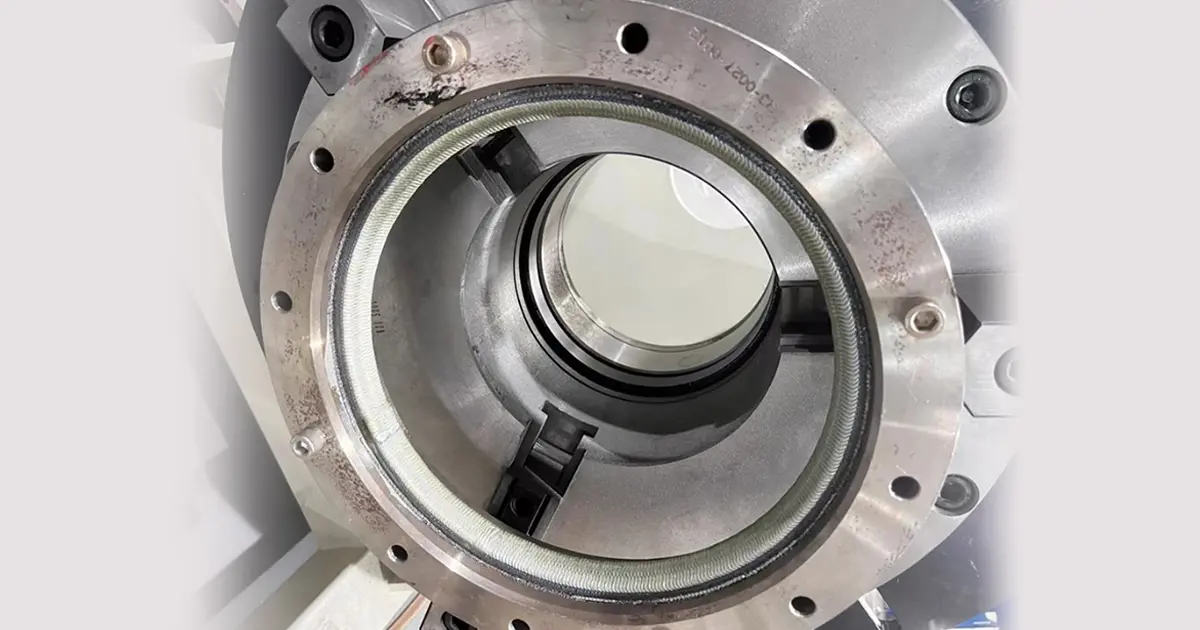
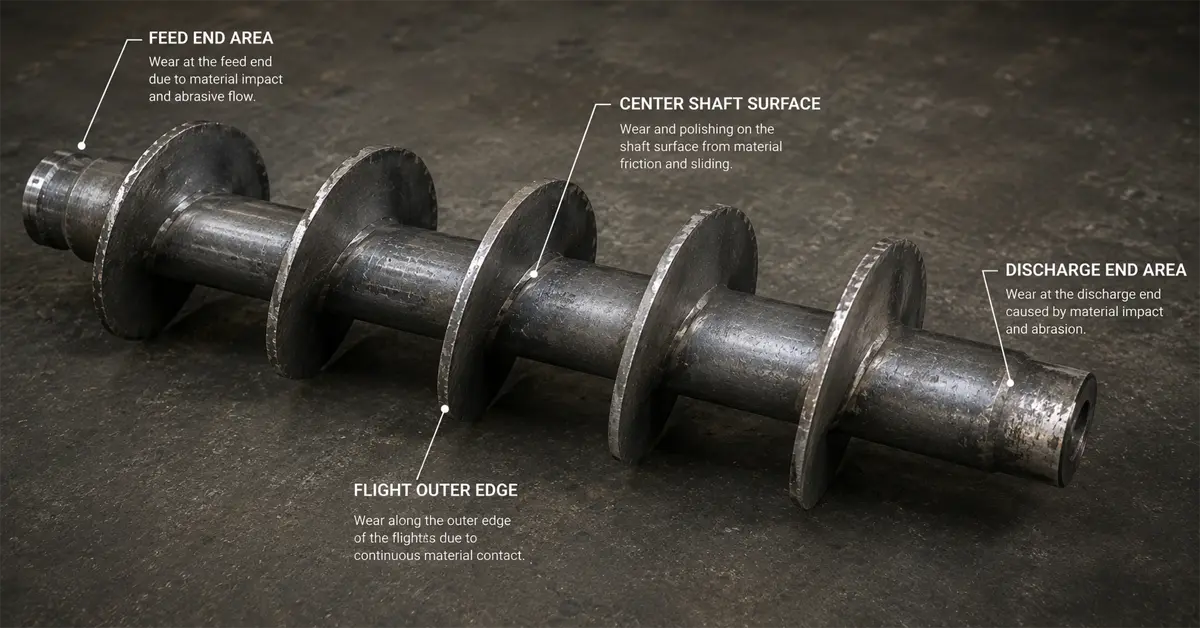
"In industries such as mining, cement, power generation, steelmaking, chemical processing, and biomass energy, screw conveyors are often regarded as auxiliary equipment. However, maintenance data shows that they are among the most frequent causes of unplanned production delays."
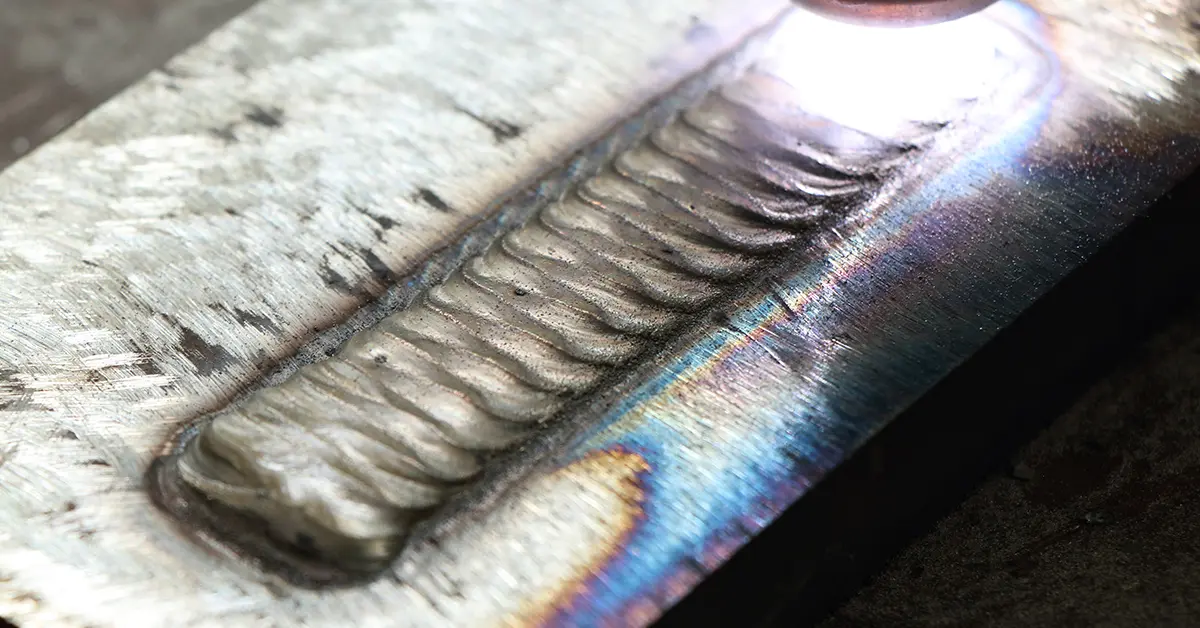
"In Plasma Transferred Arc (PTA) hardfacing, achieving a high-quality overlay is not only about selecting the right alloy powder or optimizing welding parameters. One of the most critical factors that directly affects overlay performance is the dilution rate."
The convergence of welding physics, real-time closed-loop sensing, and automated robot systems.
Traditional manual welding techniques like stick, TIG, and MIG are increasingly limited by skilled labor shortages and inconsistencies in operator deposition. Modern industry is rapidly shifting toward automated, software-controlled cladding environments. Advanced PTA (Plasma Transferred Arc) systems integrate robotic arms to execute complex toolpaths, keeping the distance between the anode nozzle and base plate accurate within tenths of a millimeter.
Furthermore, digital welding interfaces now capture live data feeds tracking instantaneous current, voltage, powder feed rate, and shielding gas pressure. This allows plant managers to assure QA compliance with precise data outputs. In critical industries such as nuclear power generation or petrochemical exploration, having a digital trace of every overlay run is no longer a luxury—it is a mandatory audit requirement.
Solving common questions regarding TIG, MIG, and Plasma Cladding choices.
The primary difference lies in the electrode. TIG uses a non-consumable tungsten electrode to create the arc, and filler metal is added manually. MIG uses a continuous, consumable wire electrode fed from a spool that also serves as the filler metal. TIG offers superior precision and control for thin metals, while MIG provides much higher deposition speeds for thicker materials.
PTA cladding offers a much lower dilution rate (less than 5%) compared to traditional MIG cladding (which ranges from 15% to 30%). This means the properties of the wear-resistant alloy powder are not diluted by the soft base metal. PTA also generates a tighter arc column, minimizing the heat-affected zone (HAZ) and preventing structural warpage.
We design each system to match the exact local power requirements of our customers. This includes configuring step-up/step-down transformers and internal PLC controls to operate on 220V, 380V, 415V, or 480V grids at either 50Hz or 60Hz. We also pre-program human-machine interfaces (HMI) with multiple languages (such as English, Spanish, and Russian) for intuitive local operations.
Our automated PTA and laser systems are compatible with a wide range of atomized metal powders. This includes cobalt-based alloys (Stellite series), nickel-based alloys (Colmonoy series), iron-based alloys, and tungsten carbide composites (WC-Co/Ni). These powders are precisely fed using our computerized powder hoppers to guarantee consistent deposition density.
Shanghai Duomu provides comprehensive virtual training sessions, operational video guides, and commissioning support. Critical consumables, including tungsten electrodes, wear nozzles, gas shields, and powder lines, are stocked for fast dispatch. This minimizes lead time and ensures continuous operation for global manufacturers.
Select specialized equipment from our flagship industrial series, configured to outlast traditional options.
Integrating our systems into the manufacturing and production lines of industry leaders.








For inquires about our products or pricelist, please leave to us and we will be in touch within 24 hours.
Contact our engineers Duomu
Duomu