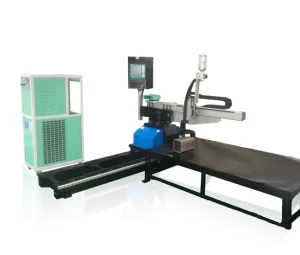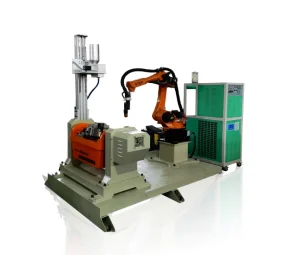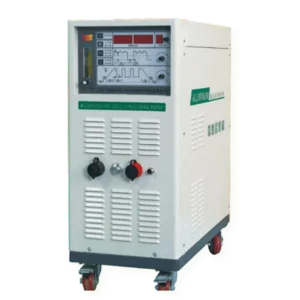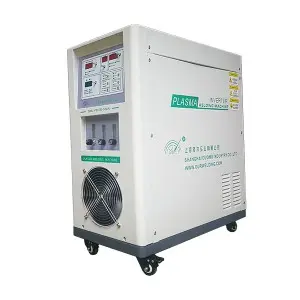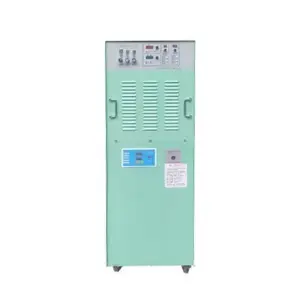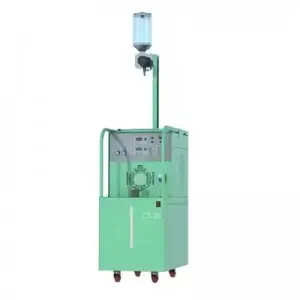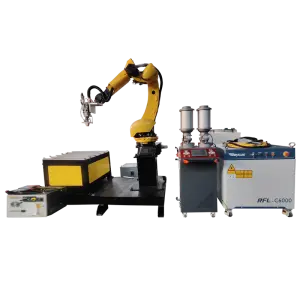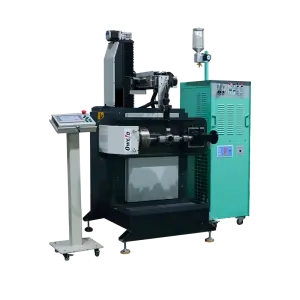
In the lexicon of heavy industrial surface engineering, "Soldadura Plasma" (Plasma Transferred Arc - PTA welding) stands as a pinnacle methodology for combating severe surface degradation. As global engineering demands move toward extreme operational conditions, raw substrate materials often fall short of meeting longevity requirements. This is where specialized PTA cladding systems excel.
Unlike conventional thermal spray processes or Standard Gas Tungsten Arc Welding (GTAW/TIG), PTA hardfacing employs a collimated, highly constrained high-density plasma arc generated by ionizing an inert gas—typically high-purity Argon. The process involves two independent power circuits: a pilot arc running between a non-consumable tungsten electrode and the copper nozzle, and a main transferred arc running directly between the electrode and the workpiece. This dual-arc configuration achieves temperatures exceeding 15,000°C to 20,000°C, permitting the instantaneous melting of custom cladding alloy powders.
The critical metallurgical parameter that dictates the efficacy of any cladding overlay is the dilution rate. Traditional SMAW or GMAW processes typically yield dilution rates of 15% to 30%, which contaminate the deposit layer with elements from the base steel. Custom PTA surfacing machines restrict dilution to an exceptional 3% to 5% in a single pass. This ensures that the premium cladding alloys—such as Stellite (cobalt-base), Colmonoy (nickel-base), or Tungsten Carbides (NiWC)—maintain their nominal composition, microhardness, and wear resistance at the surface layer without metallurgical degradation.
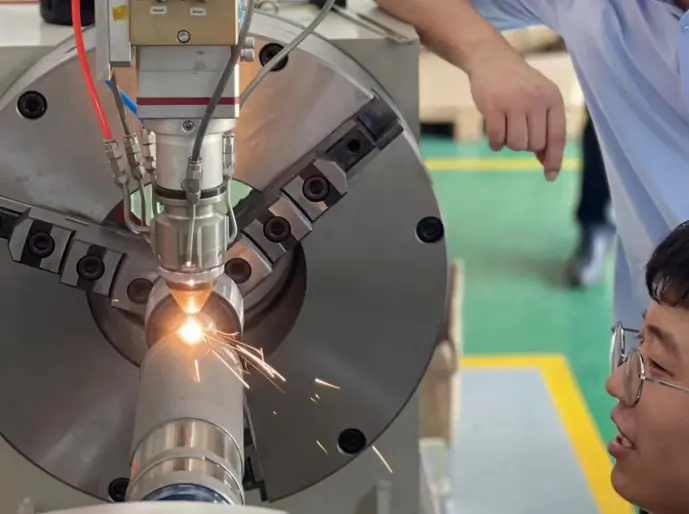
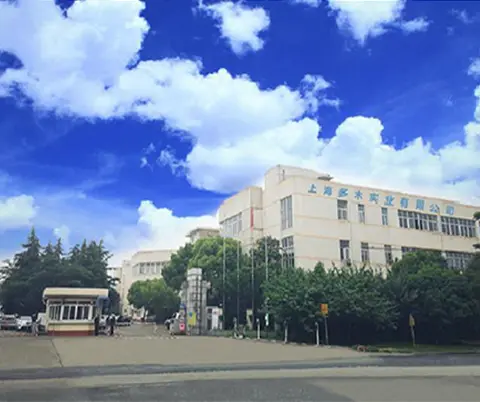
Shanghai Duomu has been a leading manufacturer and exporter of PTA cladding machines and Laser cladding machines for more than ten years with a strong technical background. Our independent R&D division researches, designs, and manufactures advanced plasma cladding and laser melting machinery from the ground up, guaranteeing optimal component matching and robust firmware programming.
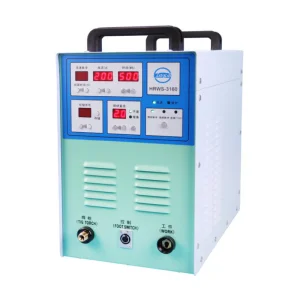
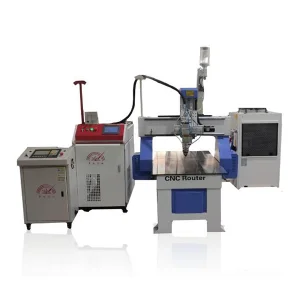
Our welding machines deliver stable electrical arcs and maintain high-efficiency, continuous long-term operations suitable for heavy industrial manufacturing sites. In addition, the laser cladding equipment engineered and sold by our company supports large-scale remanufacturing initiatives. Through state-of-the-art technological capabilities, we furnish clients worldwide with complete sets of turnkey industrial overlay systems, automation positioners, and CNC cladding centers.
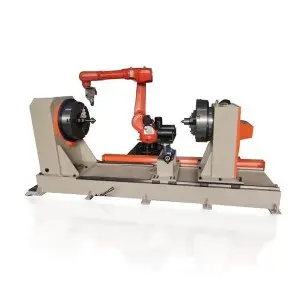
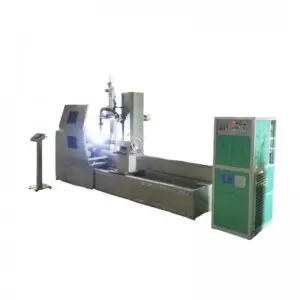
We supply tailored equipment, automatic laser cladding complexes, automatic plasma surfacing lines, and intelligent robot cladding setups configured to customers' technical specifications. This includes specialized equipment configurations like hydraulic rod cladding systems, coal-mining pick cladding setups, and automated valve hardfacing platforms.
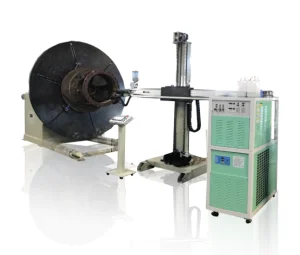
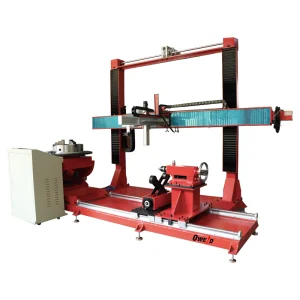
Procurement teams require modular hardware capable of integrating seamlessly into existing production lines. Our systems support API integrations, custom CNC PLC controls, and multi-axis manipulator interfaces. Whether adding a robotic positioner like the DH3-HV1700-B06 or a double-column gantry system, the equipment adapts easily to varied industrial workflows.
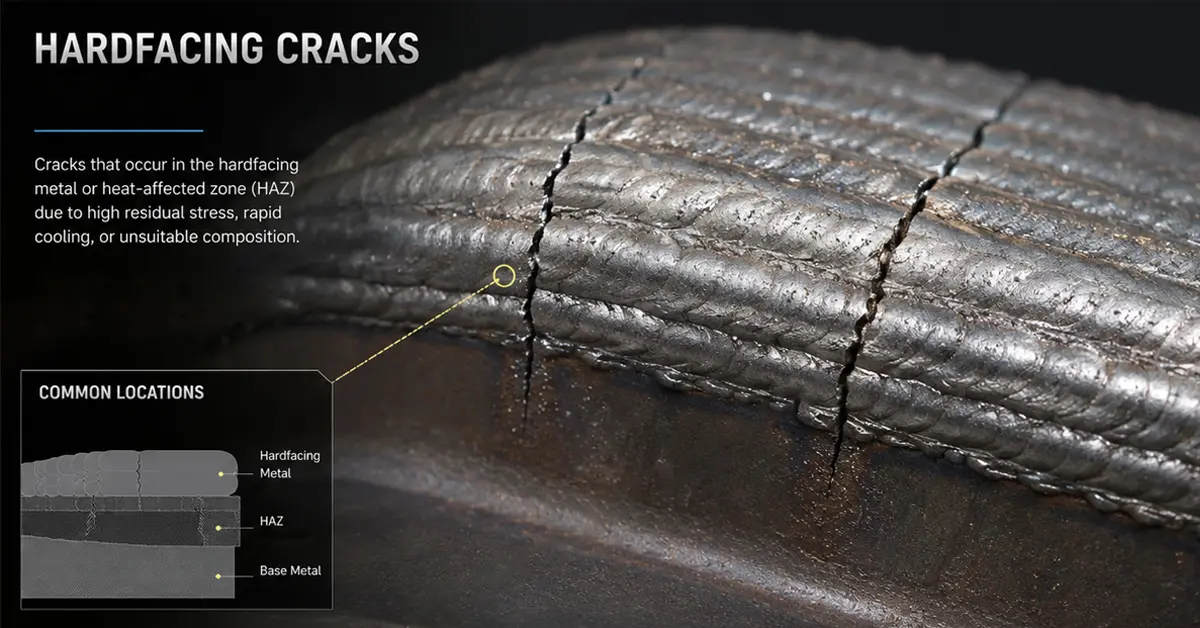
Minimizing porous zones, heat-affected zone (HAZ) cracks, and dimensional warping is essential for quality control. Procurement processes look for systems equipped with precise powder feeding mechanisms, closed-loop thermal monitoring, and synchronized oscillation controls to maintain constant layer thickness and high-density deposition.
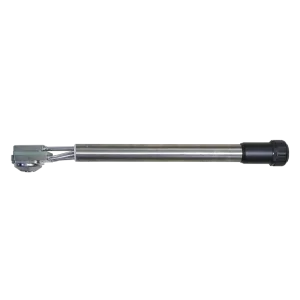
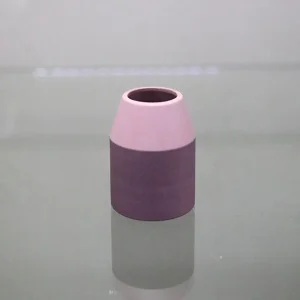
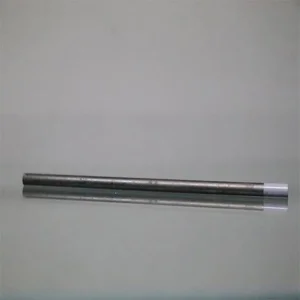
Industrial decision-makers evaluate TCO beyond the initial capital expenditure. By choosing robust PTA systems with long-life consumables—like our heat-resistant tungsten electrodes and gas shield covers—facilities minimize unplanned downtime and dramatically lower the recurring cost of operation.
As a major manufacturing hub for global industrial equipment, Chinese factories offer distinct benefits in sourcing and scaling precision cladding solutions. Shanghai Duomu combines these advantages with strict quality standards to serve customers worldwide.
From rare-earth metallurgy for manufacturing durable tungsten electrodes to precision machining of heavy-duty gantry frames, our local supply chain in China reduces lead times. We control every step of production, ensuring high-quality components and reliable machine performance.
Our dedicated team design, fabricate, and test customized fixtures, customized torches (such as narrow-gap internal bore configurations), and custom PLC software rapidly. This quick turnaround allows us to adapt to specific production line requirements faster than competitors.
By combining efficient production methods with local raw materials, we provide high-performance plasma and laser cladding systems at competitive rates. This enables global enterprises to scale their thermal surfacing capabilities cost-effectively.
Our products are widely integrated across heavy industry sectors, extending the service life of critical components operating in high-wear, high-temperature, and corrosive environments.



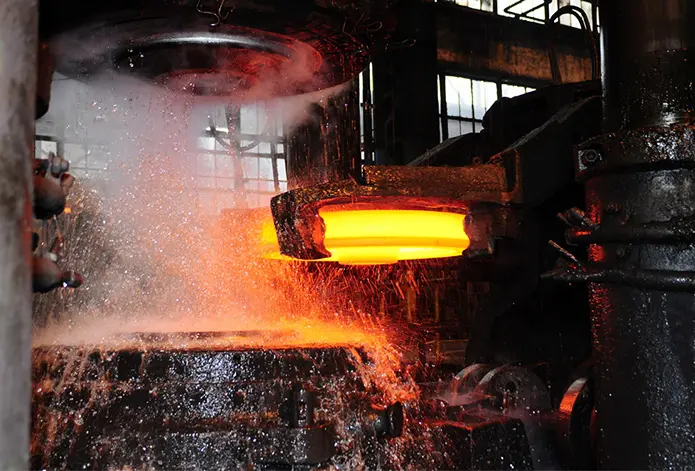
Deploying high-power electrical equipment like PTA cladding systems across international borders requires strict compliance and reliable local support. Our custom systems conform to standard electrical regulations (CE, RoHS, and local manufacturing standards), ensuring smooth integration in European, American, and Asian factories.
To support global installations, we offer detailed technical documentation, video diagnostics, and remote control support via modern industrial PLCs. Our engineering team assists with on-site parameters adjustment, helping operators select the right powder feed rates, gas flows, and speed parameters for their specific cladding requirements.
We supply specialized auxiliary components, such as custom-engineered gas shield covers and high-durability tungsten electrodes. This comprehensive support helps maintain high-quality surface overlay layers and minimizes defects like surface micro-fissures, securing your manufacturing processes.
Modern cladding systems are integrating real-time melt pool imaging and optical pyrometers. By monitoring temperatures dynamically, the system adjusts arc current or laser output in fractions of a second, preventing overheating and ensuring uniform bead quality.
Cladding complex industrial geometries (like double-helical extruder screws or asymmetrical drill bits) requires multi-axis coordination. The combination of high-precision manipulators with synchronized rotation positioners enables continuous, single-pass overlay cladding on complex 3D profiles.
Combining cladding with subtractive milling allows facilities to build and finish parts on a single machine. By applying PTA or Laser cladding to build up worn areas and immediately machining them to print tolerances, operations reduce turnaround times significantly.
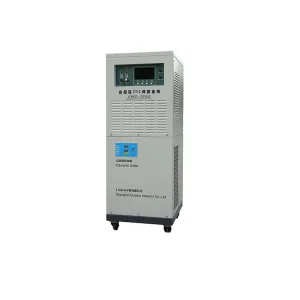
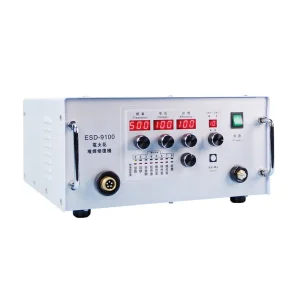
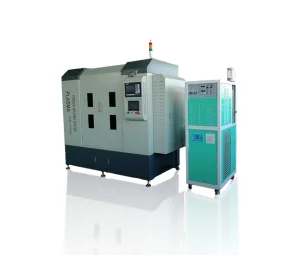
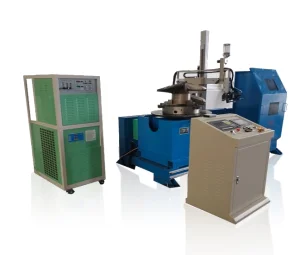
Review our main equipment configurations designed to handle heavy-duty wear applications in industrial settings.
"The PTA Welding Valve Application Guide is not just a process choice for valve manufacturers facing high wear, high corrosion, and high-temperature erosion working conditions, but also a key path to improving product competitiveness. As industries such as petrochemical, power, and metallurgy demand tighter sealing and longer lifespans, our automated PTA systems help deliver those capabilities."
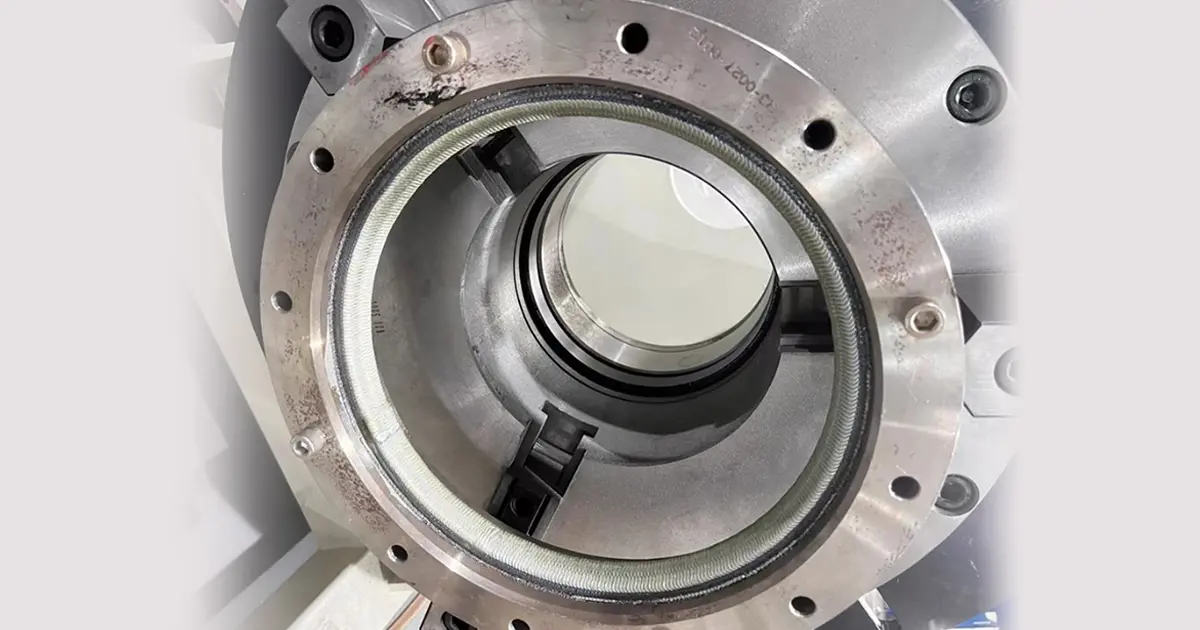 Valve Manufacturing Sector Study
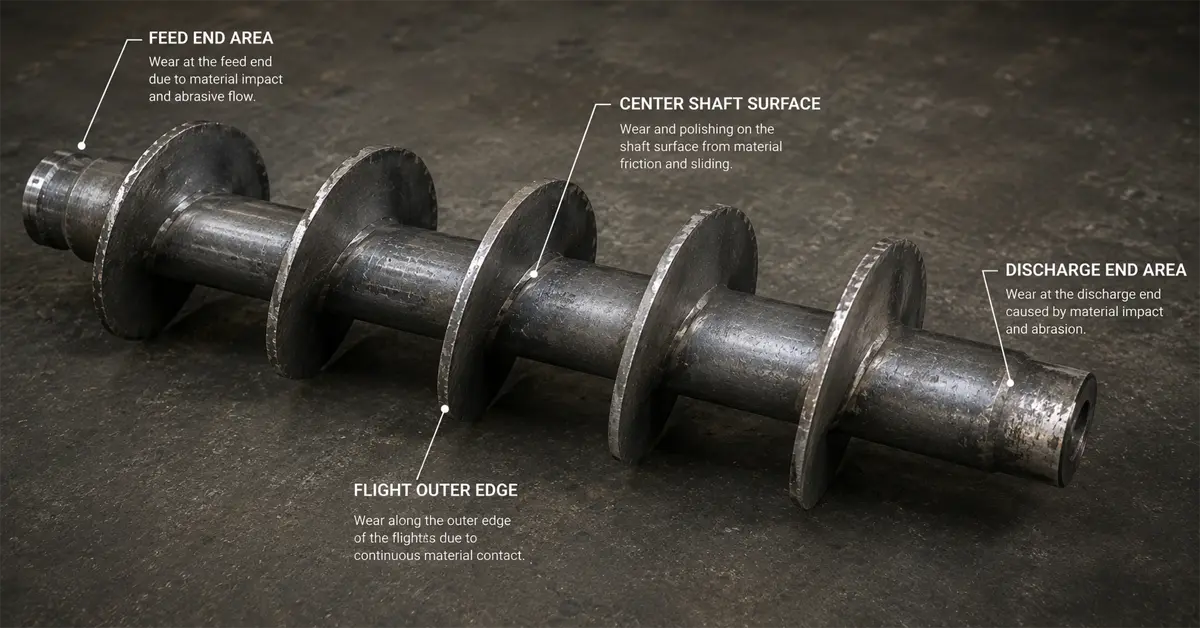
"In industries such as mining, cement, power generation, steelmaking, chemical processing, and biomass energy, screw conveyors are often regarded as auxiliary equipment. However, maintenance data shows that they are among the most frequent causes of unplanned production downtime. Applying a hardfaced layer of tungsten carbide alloy using a specialized cladding system increases part service life significantly."
 Material Handling Logistics Report
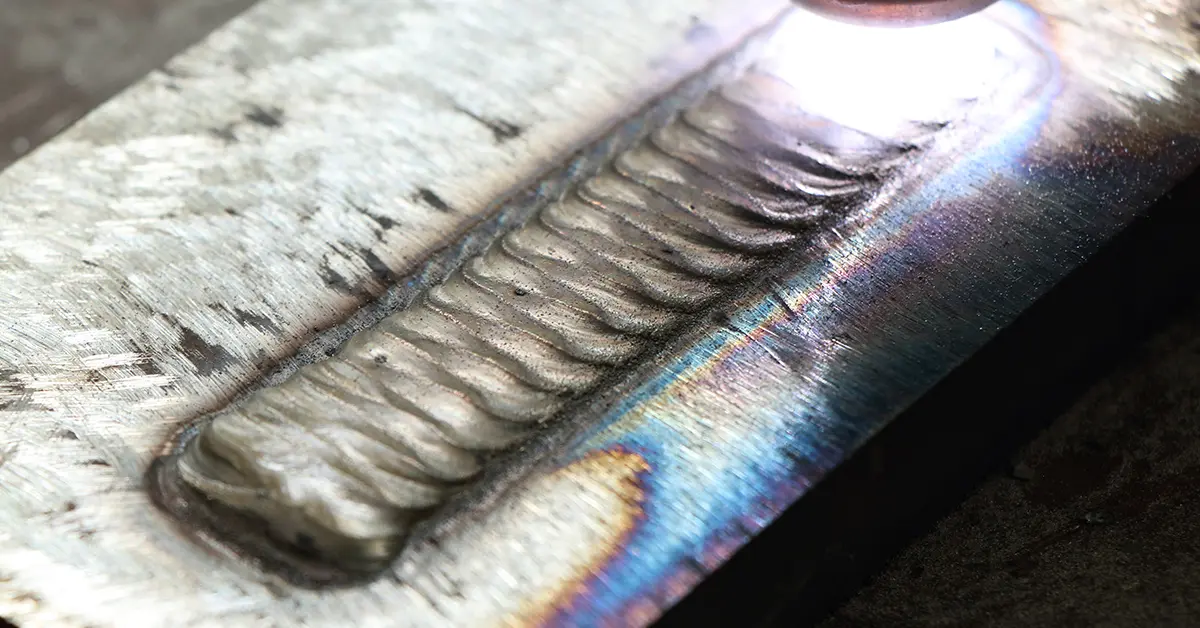
"In Plasma Transferred Arc (PTA) hardfacing, achieving a high-quality overlay is not only about selecting the right alloy powder or optimizing welding parameters. One of the most critical factors that directly affects overlay performance is the dilution rate. Keeping the dilution rate low preserves the original wear-resistant properties of cobalt-base or nickel-base alloys."
 Metallurgical Laboratory Data
"In industries such as Oil & Gas, Mining, Power Generation, Cement, and Heavy Equipment Manufacturing, hardfacing is no longer just a repair process. It has become a critical technology directly related to equipment lifespan, downtime costs, maintenance frequency, and operational safety."
 Heavy Machinery Maintenance Group
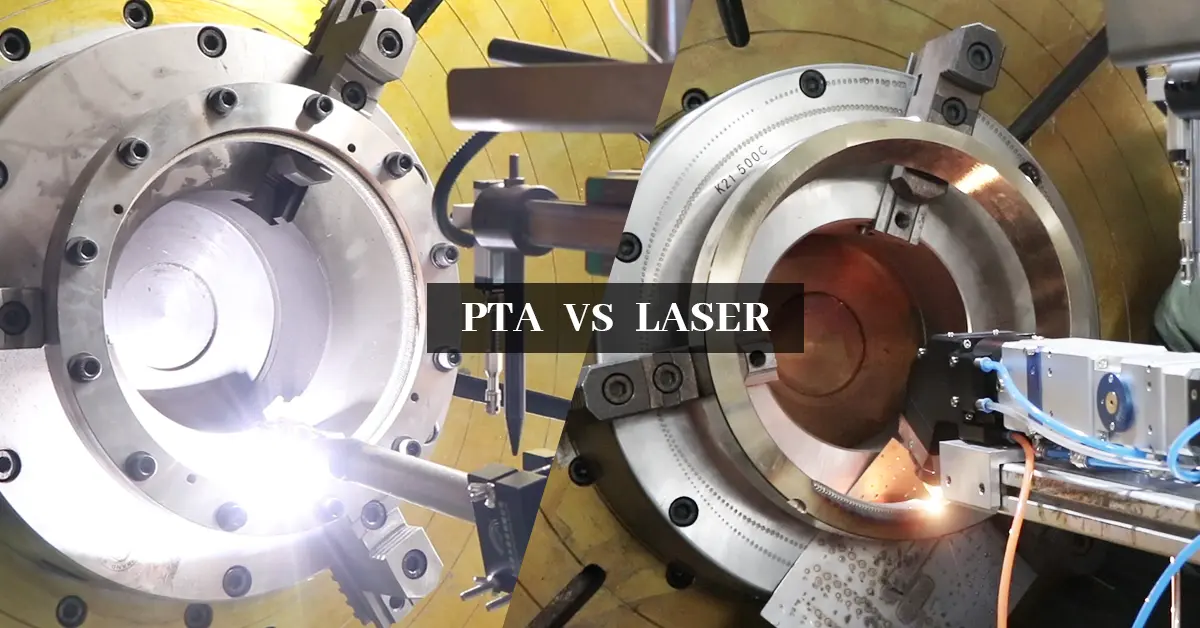
"In industries such as oil & gas, petrochemical, power generation, mining, and marine engineering, industrial valves are constantly exposed to severe operating conditions including high pressure, extreme temperatures, corrosive media, and abrasive sand erosion. Using reliable PTA automation ensures repeatable weld beads on complex valve seats."
 Fluid Control Equipment Forum
Soldadura Plasma (PTA) uses a highly constricted plasma arc that yields higher energy densities compared to standard Tungsten Inert Gas (TIG) welding. PTA allows for continuous mechanical powder feeding directly into the plasma arc, achieving lower dilution rates (3% to 5%) and faster deposition speeds, making it more efficient for large-scale industrial surface overlay applications.
PTA surfacing is compatible with various atomized powder alloys, including cobalt-base alloys (e.g., Stellite 6, Stellite 12) for high-temperature wear resistance, nickel-base alloys (e.g., Colmonoy series) for corrosion resistance, and composite powders (such as tungsten carbide particles embedded in a nickel alloy matrix) to maximize abrasion resistance in mining and drilling applications.
The dilution rate measures how much of the base metal melts and mixes with the cladding layer. A high dilution rate dilutes the alloy elements of the cladding material, reducing its hardness and wear resistance. PTA systems control dilution rates within 3-5%, preserving the wear-resistant properties of the selected alloy in a single pass.
Yes. We design and manufacture specialized internal bore plasma welding torches (such as the DNPT50019-HQ) and coordinate positioning manipulators. These setups allow for automated cladding inside narrow pipes, valve bodies, and cylinders, providing reliable internal wear protection.
We provide comprehensive documentation, operating manuals, and video diagnostics to assist overseas operators. Our machines feature localized PLC interfaces, and our support team is available to help resolve issues, adjust parameters, and configure the systems for your specific production needs.
For inquiries about our PTA cladding equipment, laser hardening machines, or customized production lines, please contact our engineering team. We will respond with a technical assessment and pricing details within 24 hours.
Get in Touch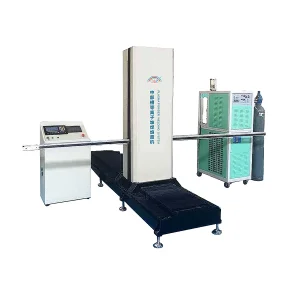








 Duomu
Duomu